Leading Insulation Contractor in Summerville SC - Rooms That Hold Their Temperature
Comfort Summerville Insulation Company insulates attics and crawl spaces in Summerville and nearby cities like Goose Creek and North Charleston. We also seal the drafts in older houses and lay vapor barrier in crawl spaces that stay damp.
Insulation done in the right order
Comfort Summerville Insulation Company is an insulation contractor in Summerville, SC, and I started it here in 2020 after learning the trade on an installer's crew. We're licensed and fully insured, and we offer 16 insulation services in the 11 cities on this site and others nearby across Dorchester, Charleston and Berkeley counties. Sealing, repairs and safety checks come before any insulation goes in, and when part of that belongs to a roofer, an electrician or an abatement firm, I'll tell you plainly. You can read more about me and how we work.
Insulation services for Summerville homes
We insulate attics, crawl spaces, walls and basements, plus the sealing and old-insulation removal that go with them. Price and timing turn on the space's size, what has to come out or get fixed first, and foam versus loose fill, and I'll put yours in writing.
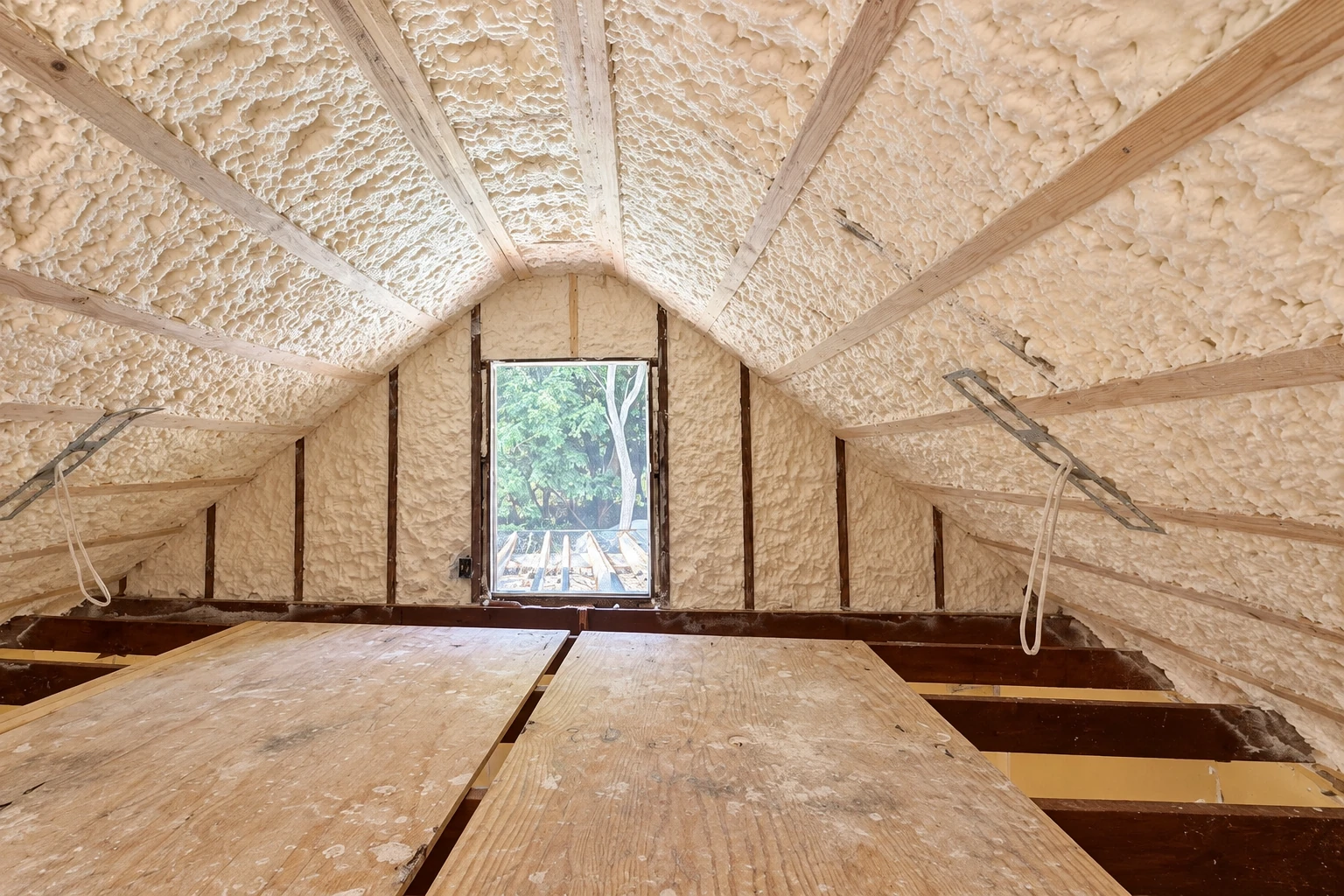
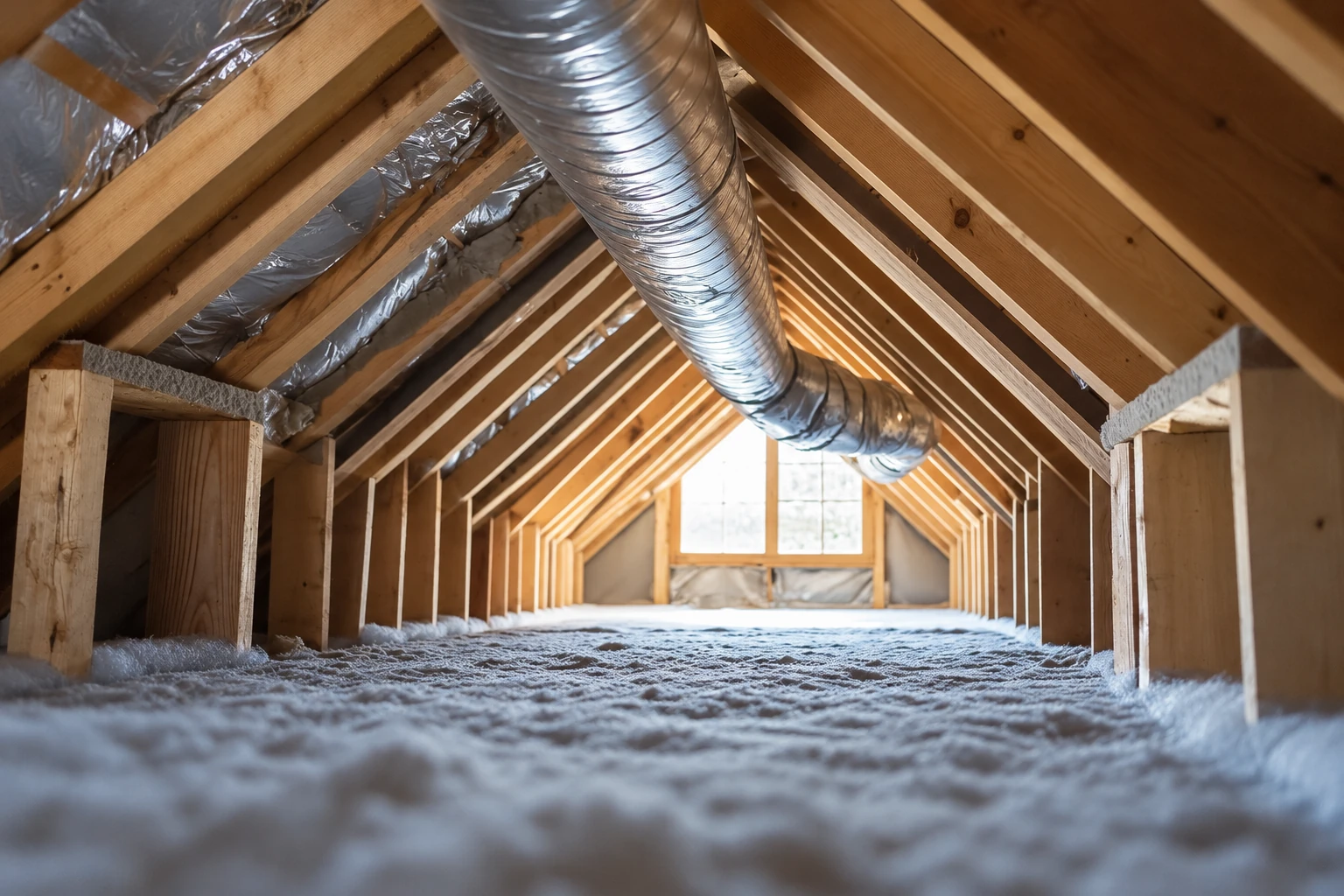
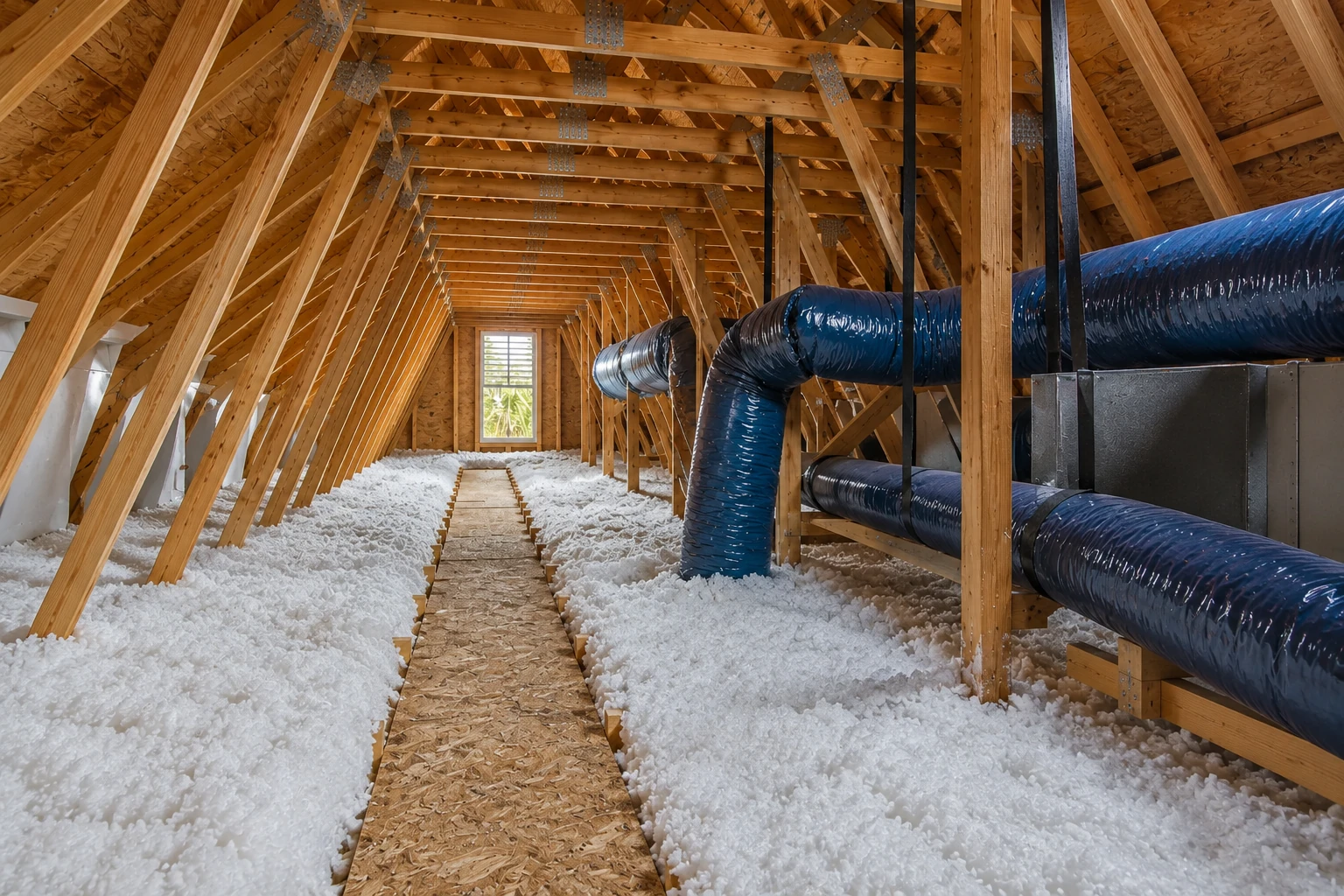
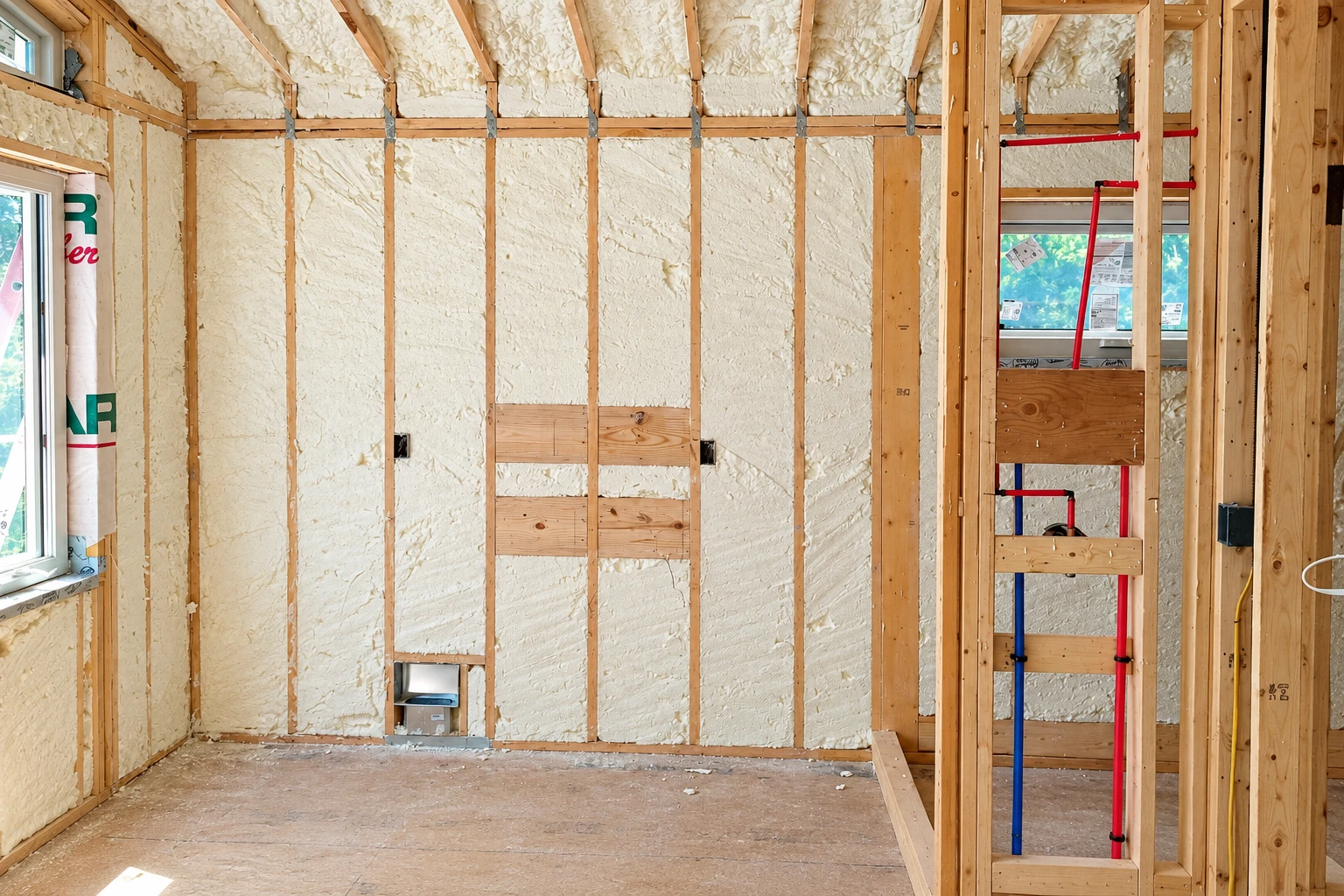
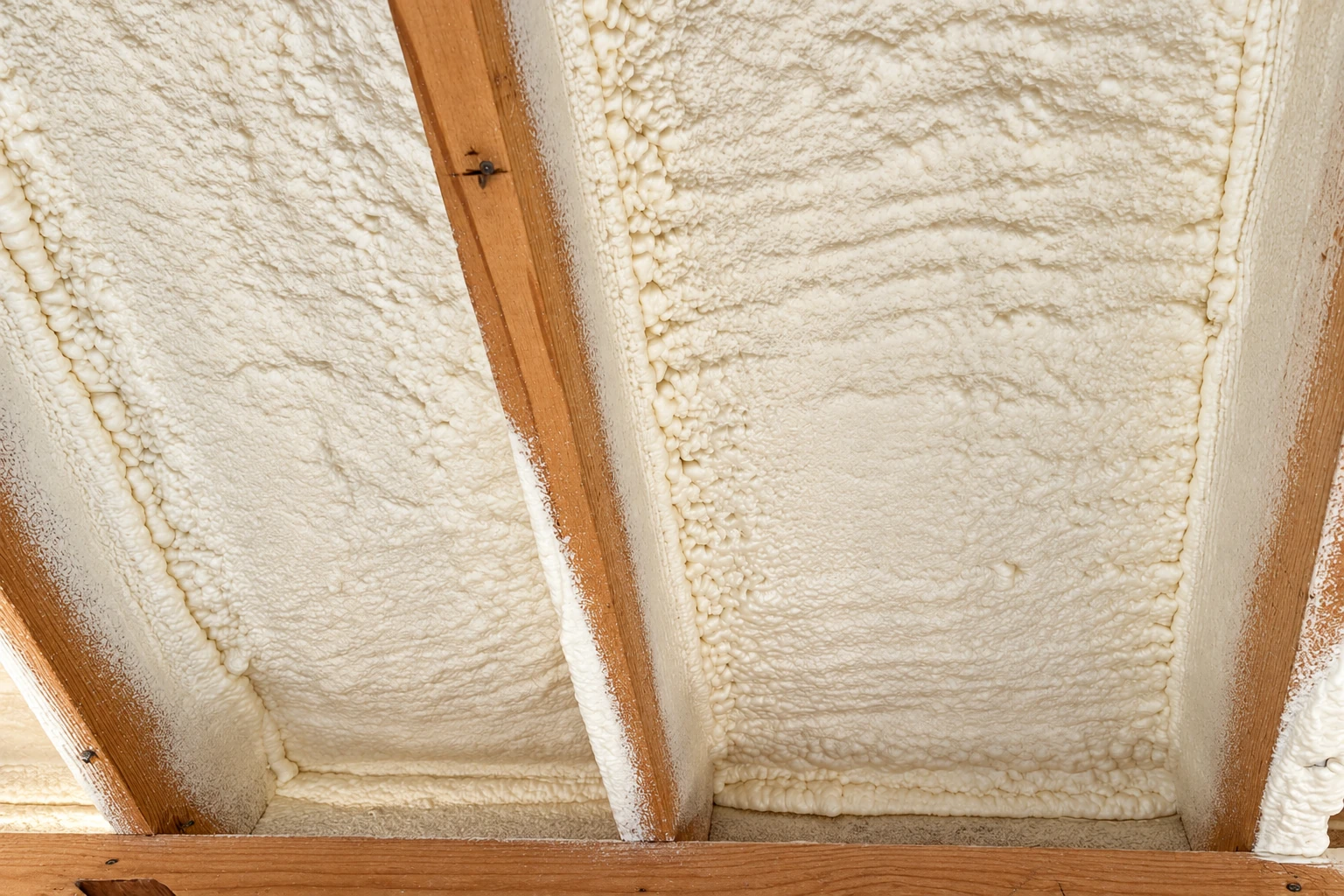
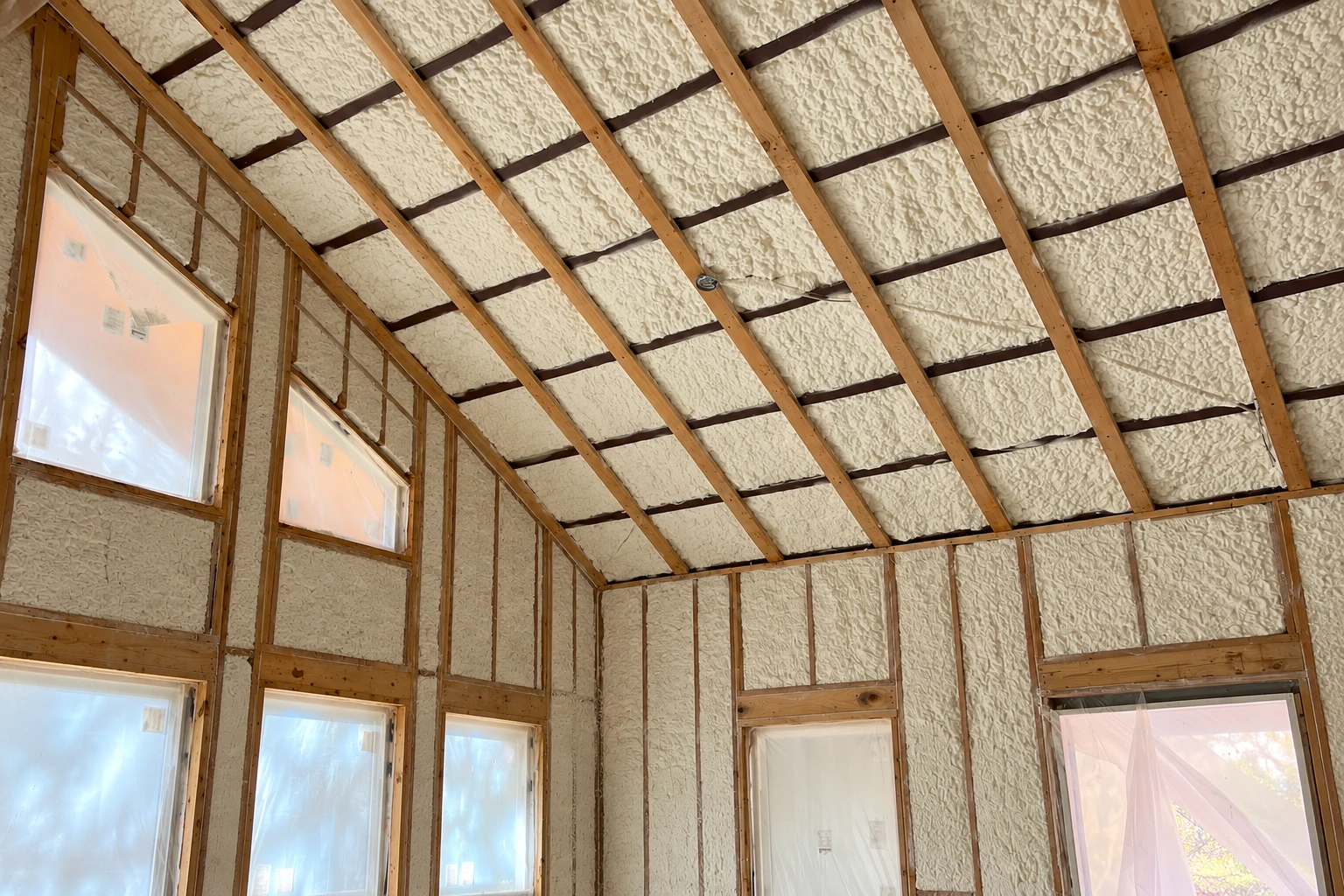
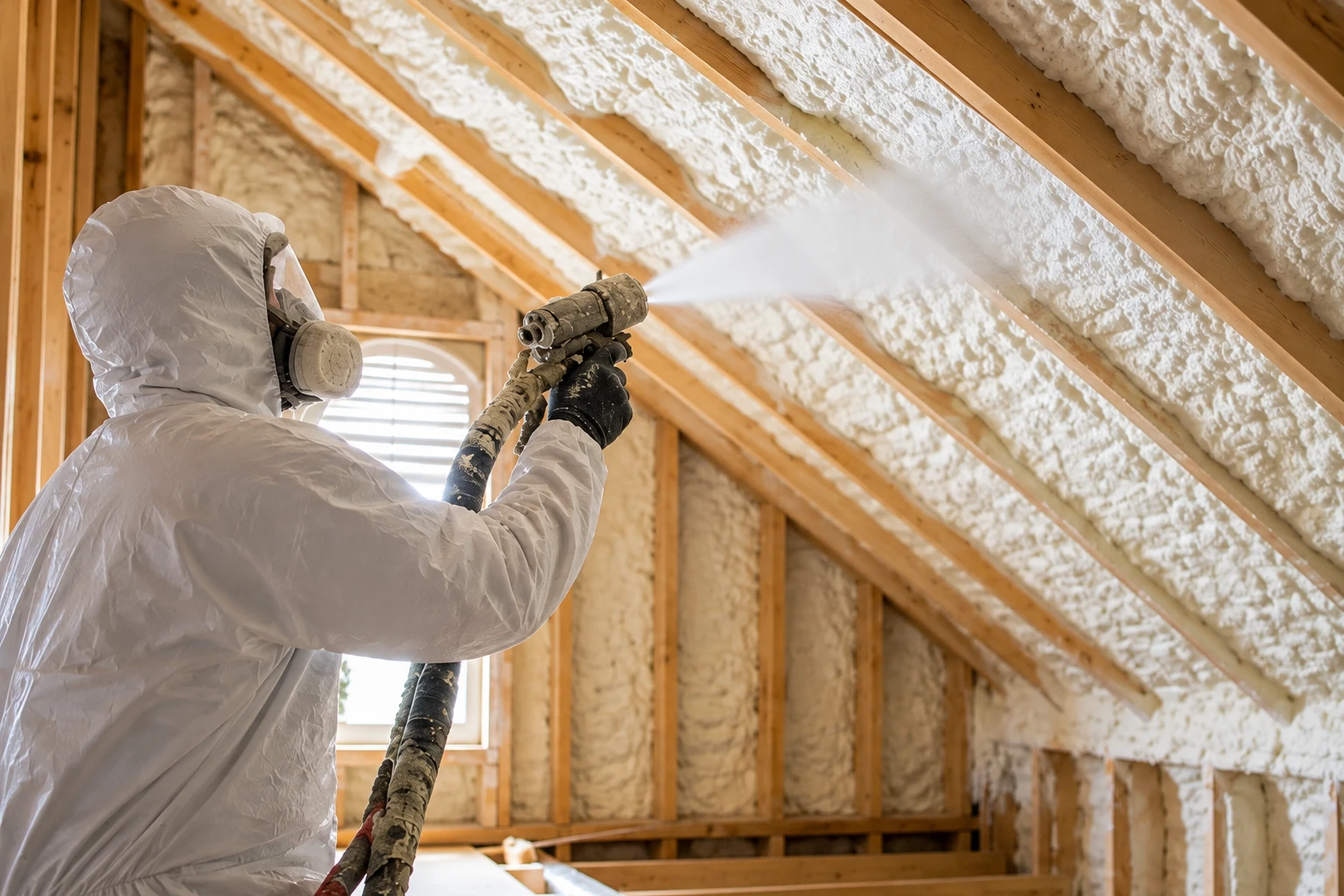
Spray foam insulates and seals air gaps in one pass, but it costs more than sealing the gaps and topping up loose fill. That simpler route usually wins unless your attic holds the ductwork, where foam earns its price.
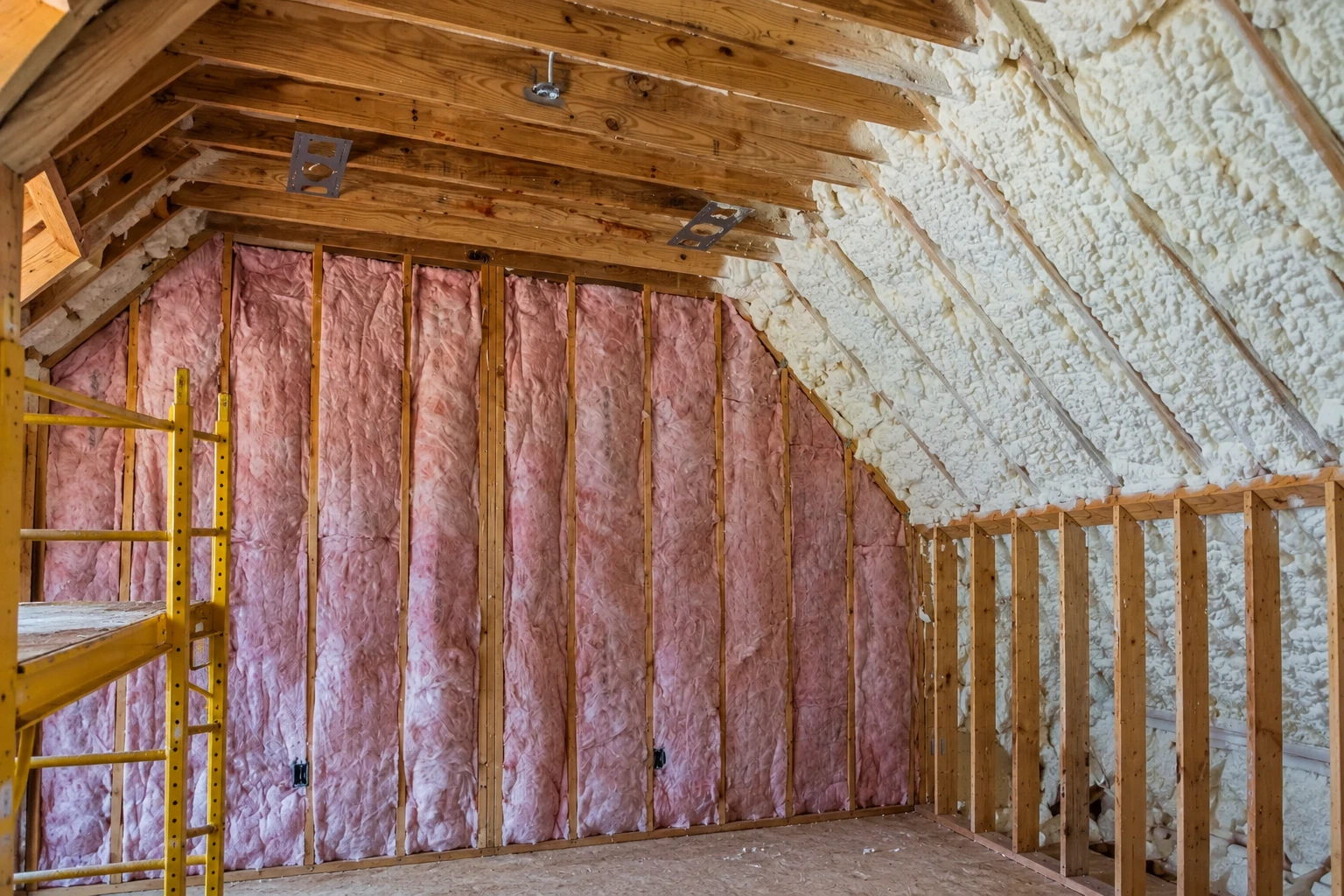
Most hot upstairs rooms trace back to the attic, so we check how much is already up there and whether it's clean and dry before adding more. Old material that's wet or full of droppings comes out first.
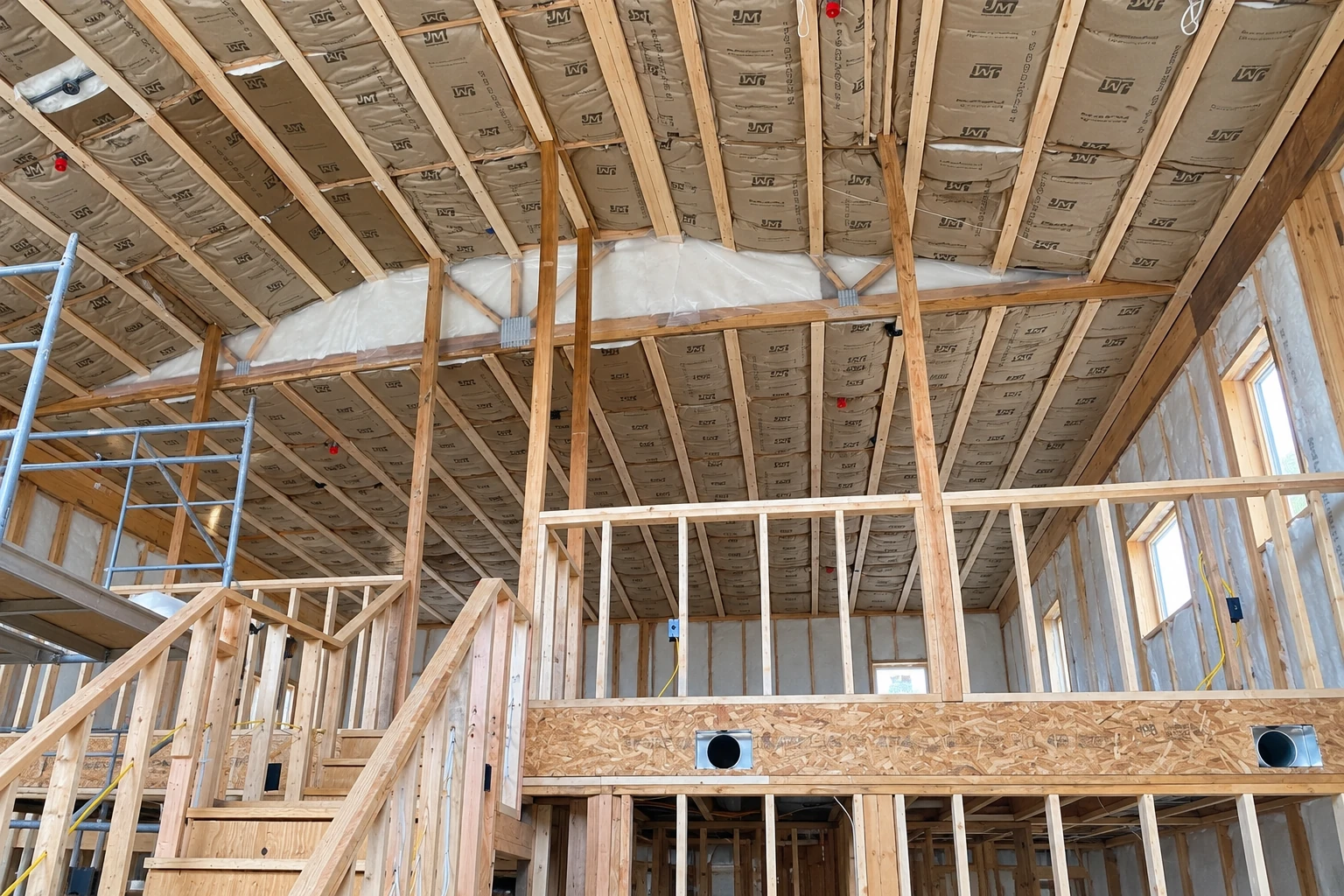
Blown-in insulation is loose fill blown through a hose, and it's the usual way to top up a thin attic. We keep it even out to the edges and leave the eave vents clear so the attic can still breathe.
If you just bought an older house or the power bill has you wondering where to start, we look at the whole house. I'll tell you which spot I'd fix first and which can wait.
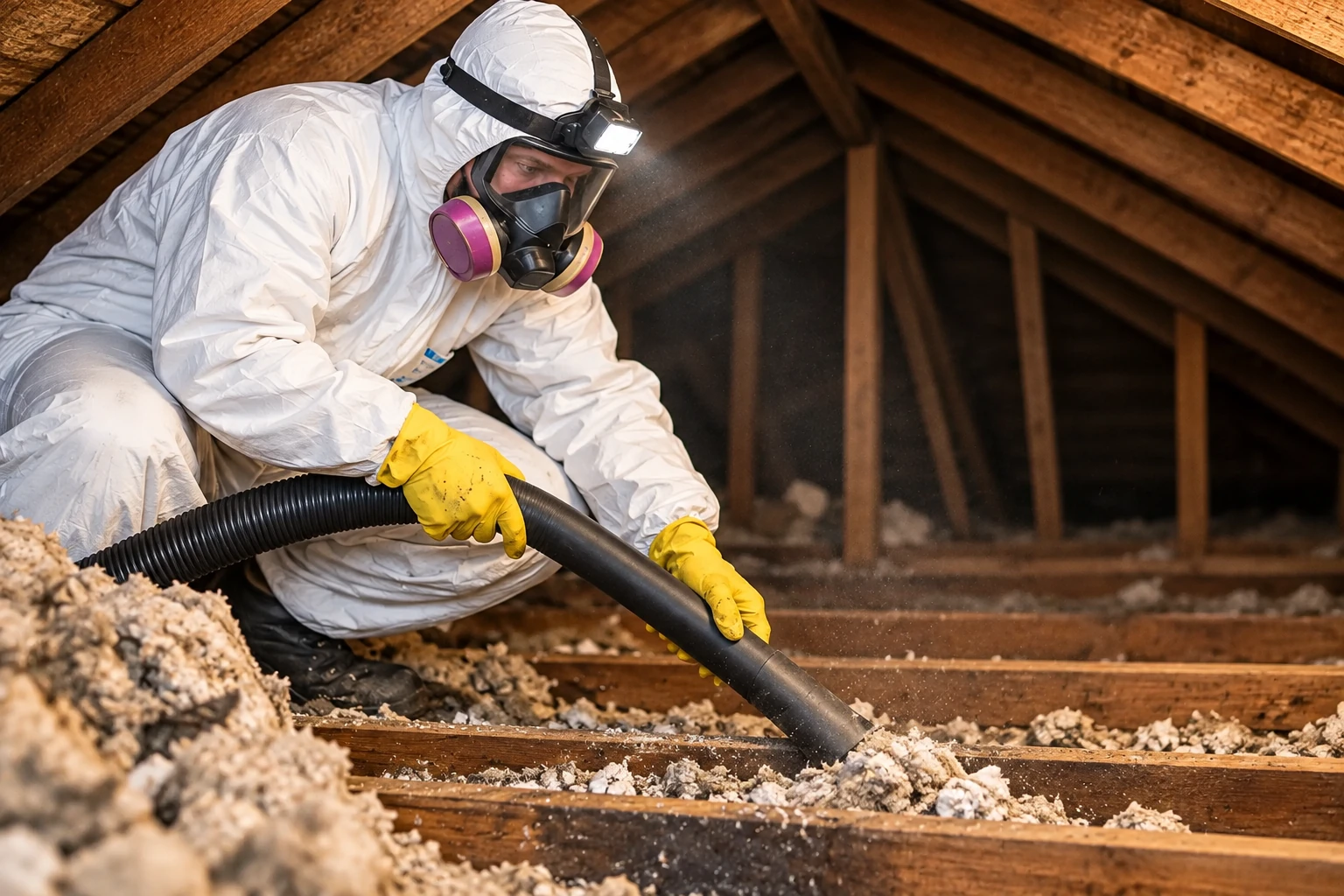
We pull out insulation that's been soaked, packed down or fouled by animals, because new material laid over it just hides the problem. If what's up there calls for an abatement firm instead, I'll tell you so.
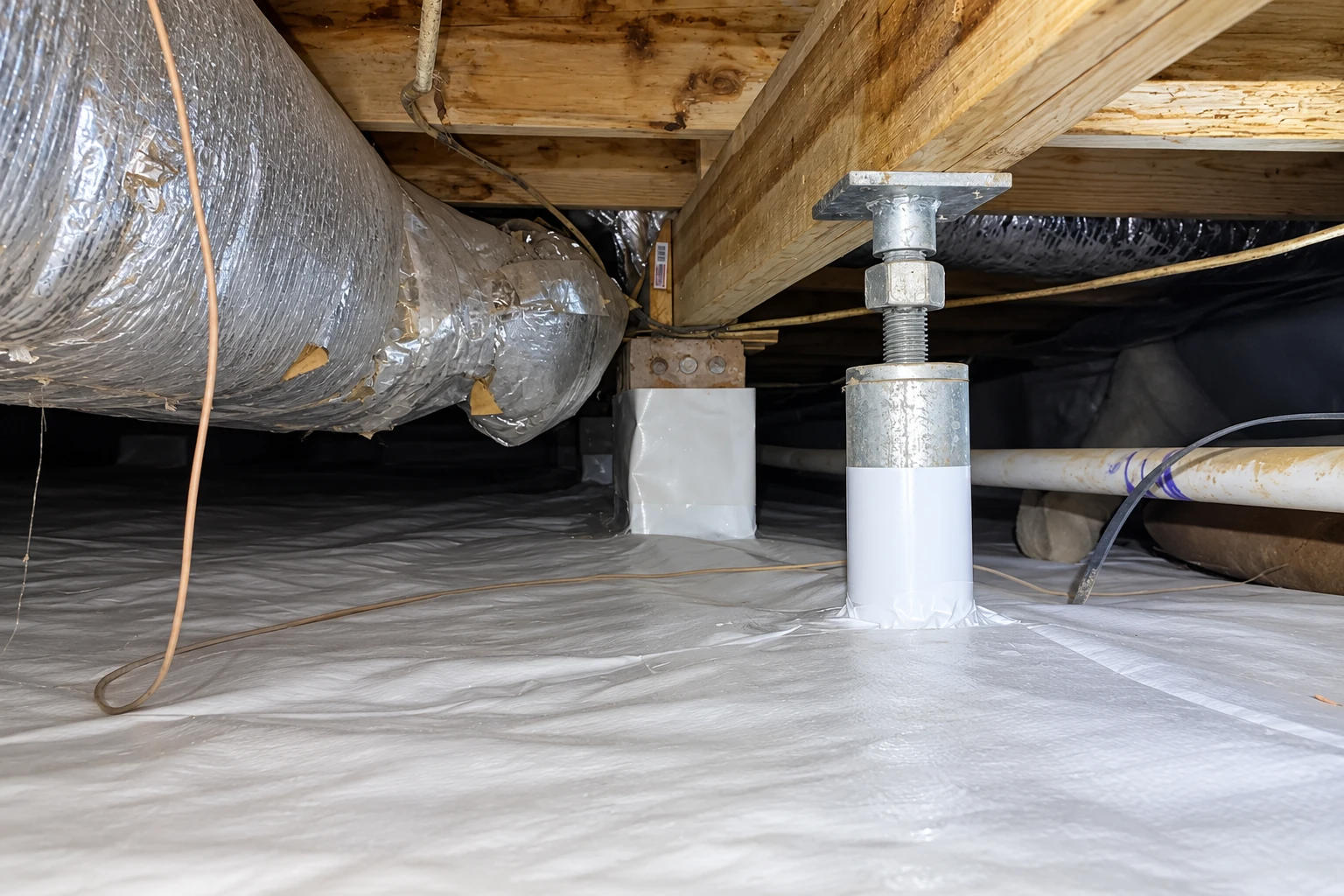
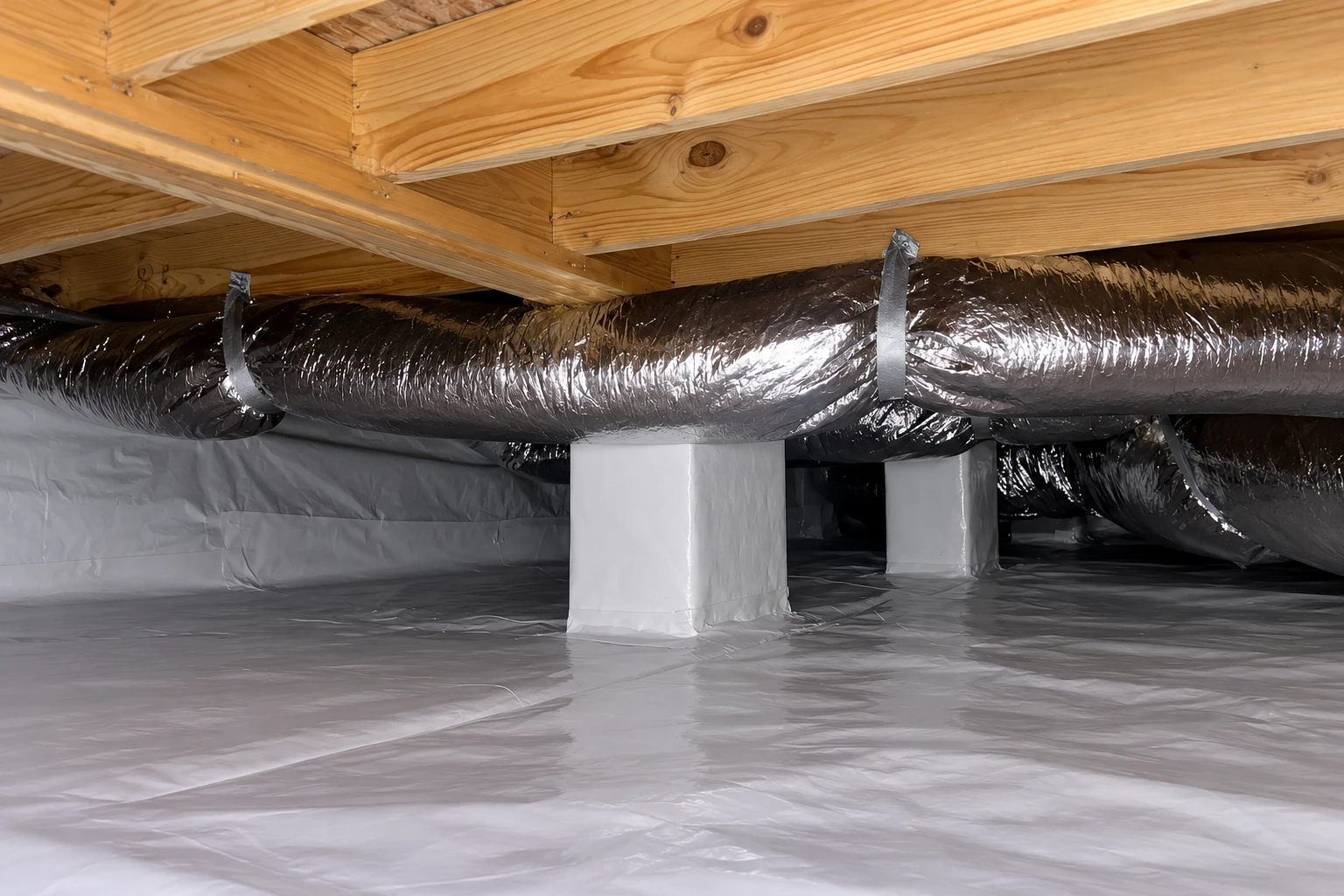
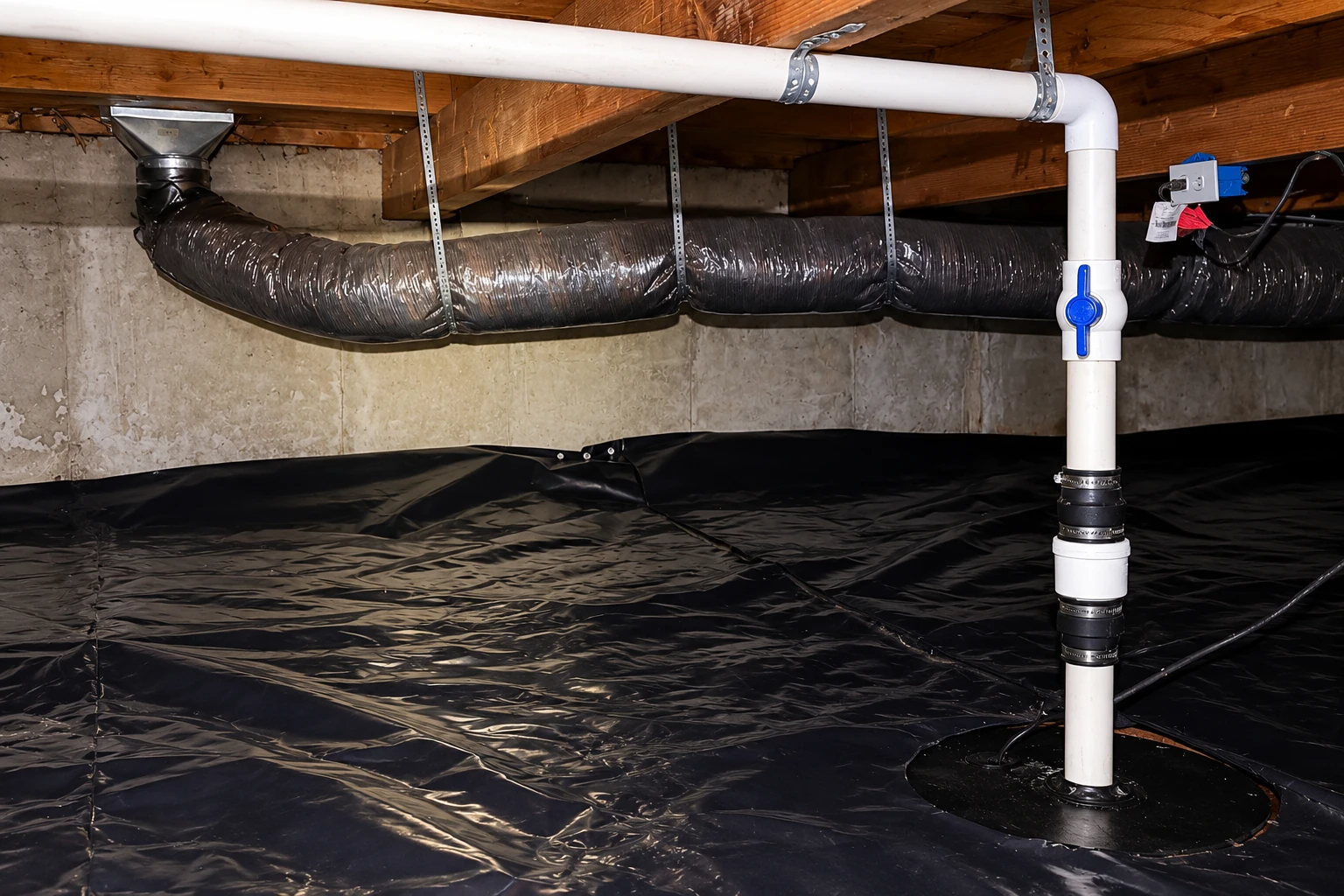
Cold floors usually start in the crawl space, so we insulate under the floor above it. We check for standing water and wet wood first, since insulation over a damp crawl space just traps the moisture.
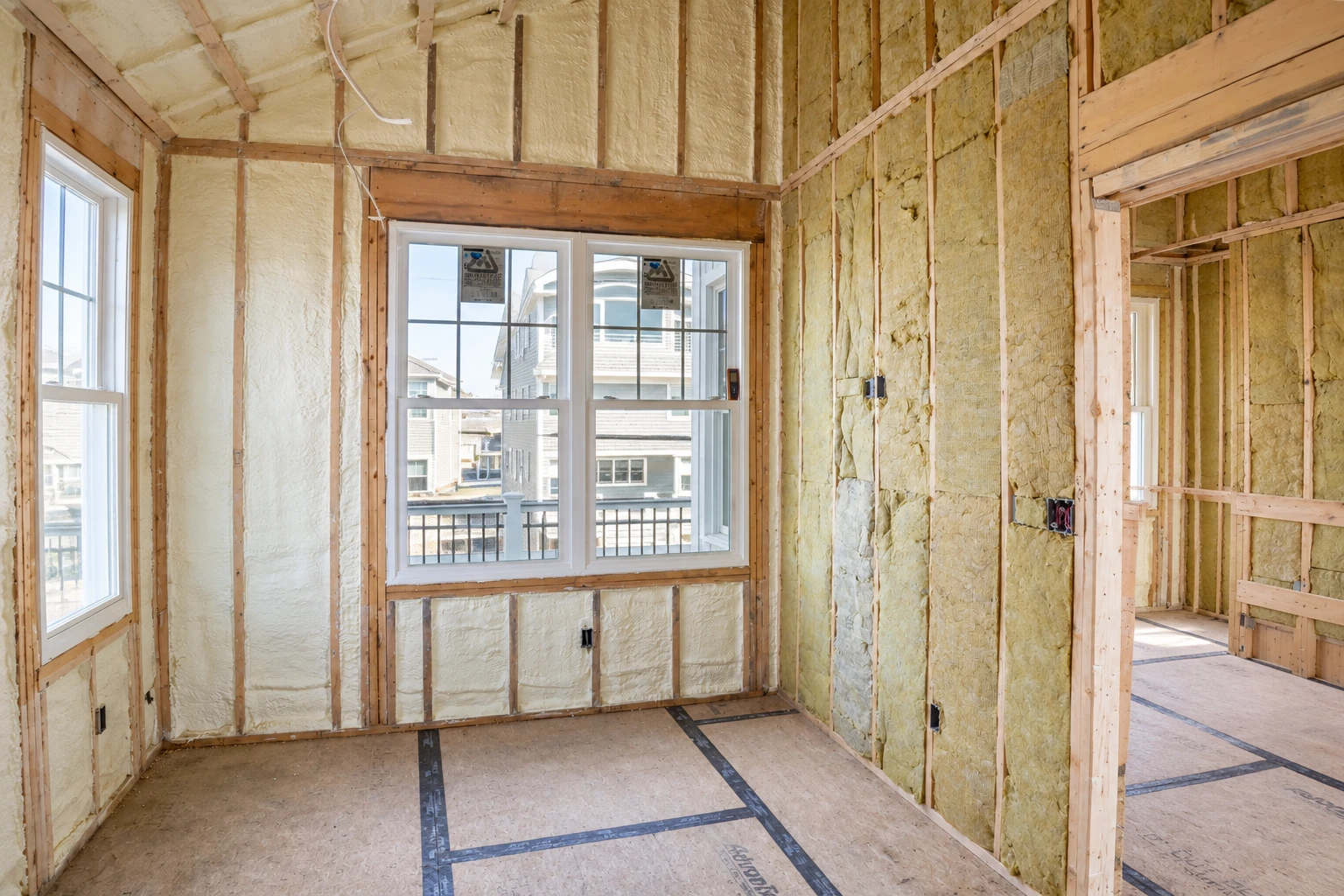
The room over the garage and the outside walls of older houses are common cold spots, and closed walls can often be filled through small holes we patch afterward. Open walls during a remodel give you more choices, foam included.
Air sealing closes the gaps where outside air slips in, around pipes, wiring, ducts and outlets, so a drafty house holds its temperature better. In some houses it's most of the fix, and I'll tell you when that's so.
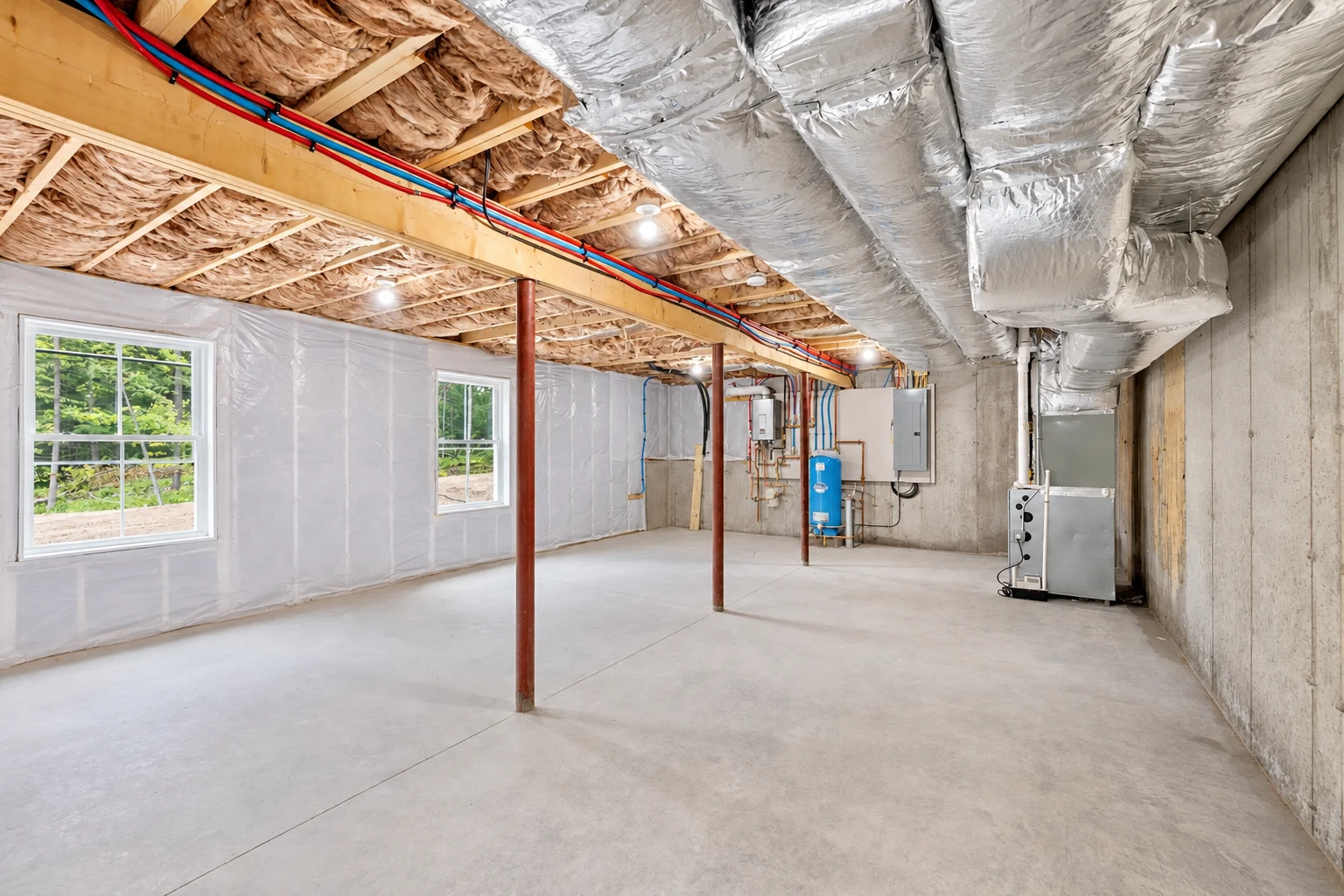
Basement walls and the rim along their top are where outside air usually gets in, and we insulate both. If you plan to finish the space, tell me at the visit, because that changes which material makes sense.
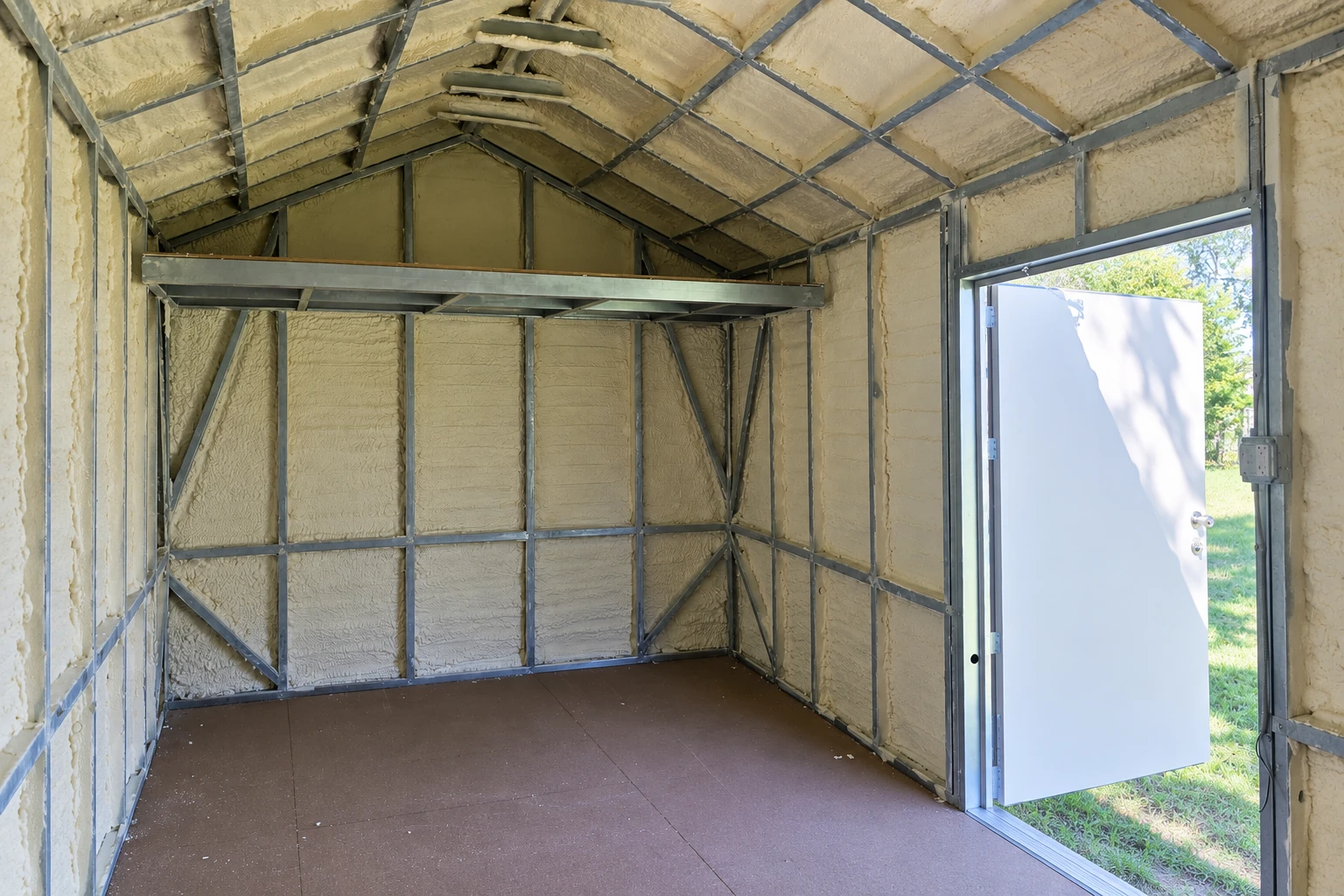
Closed-cell foam is a dense foam that blocks moisture as well as heat, so it suits crawl spaces, basement walls and other damp spots. It costs more than open-cell, so I suggest it where the moisture protection matters.
Open-cell foam is the softer, lighter foam, and it fills odd-shaped cavities and seals air for less than closed-cell. It's a common pick under the roofline and in interior walls where you'd like a little less noise.
Property managers and building owners call us for rentals, offices and other commercial spaces, where the work has to fit around the people using them. Tell me when the space is busy, and we'll plan the crew's days around it.
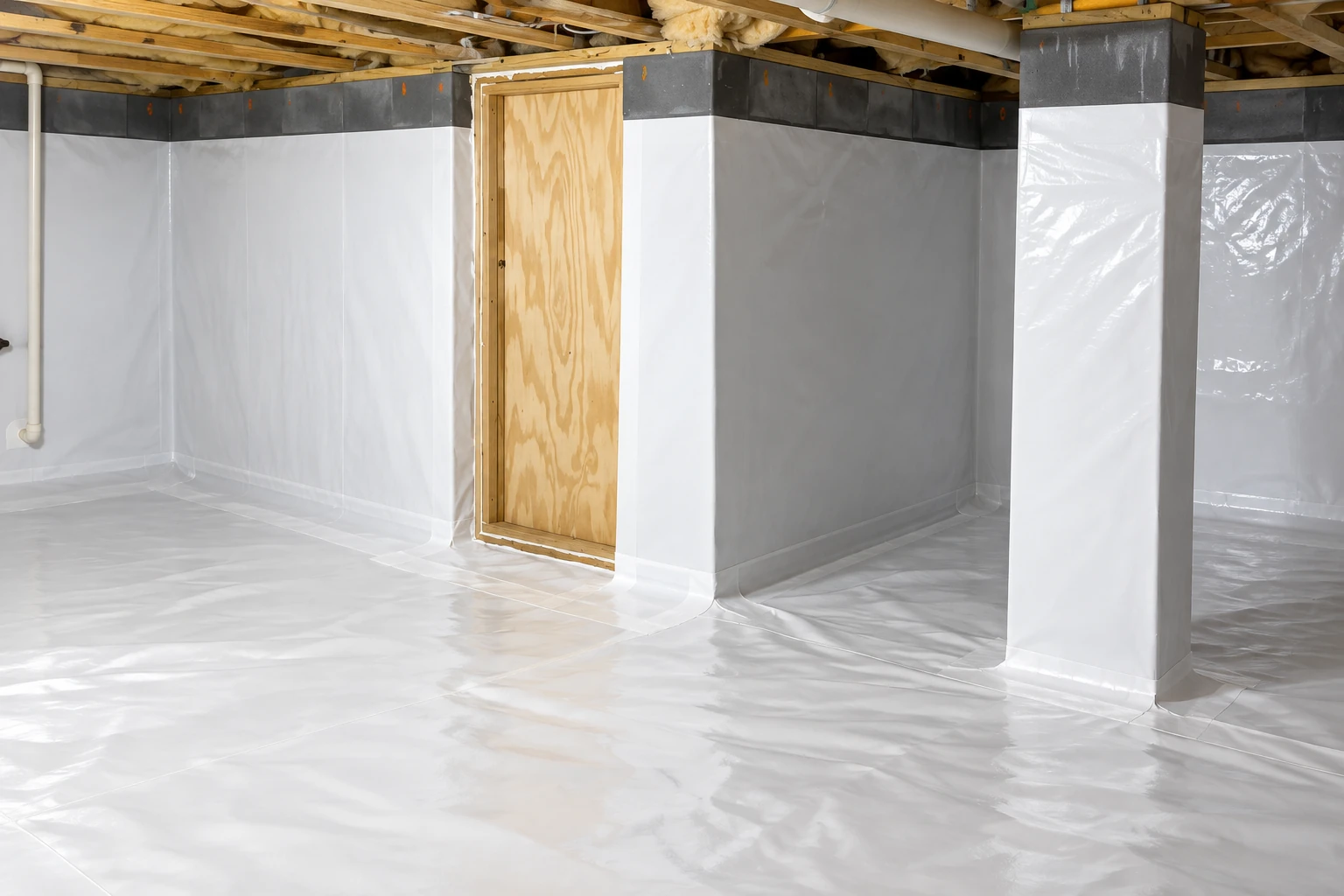
A vapor barrier is heavy plastic laid over the dirt in your crawl space, so ground moisture has a harder time reaching the framing and insulation above. We check for standing water first, because plastic laid over it just hides the problem.
Outside the crawl space, we install vapor barriers in walls, floors and basements where damp air would otherwise reach the insulation. Which side it goes on matters, because the wrong side can trap moisture inside the wall.
We seal the openings in your top-floor ceiling, around can lights, pipes, wires and the hatch, before any insulation goes on top. Skip that step and the new insulation ends up fighting a draft.
Retrofit work adds insulation to a finished, lived-in house, and we work around your rooms and schedule. If the budget's tight, we can take it one space at a time, starting with the one that bothers you most.
What happens after you call
Call or send a message
You call (843) 285-6022 or send a message through the contact form, and you'll hear back within one business day. You deal with me from that first call, so tell me what's bothering you, whether it's a hot room, cold floors or the power bill.
I look at it myself
I come out and look at the attic, crawl space or walls, checking for leaks, wiring or wet spots that need fixing first. Before I leave, I tell you what I'd do and in what order, and the estimate is free with no obligation.
Our installers do the work
You get the plan in writing, then our installers do the work in that order, with sealing and any fixes done before insulation goes in. I look it over myself before we call it done. Your satisfaction, guaranteed.
Examples of attic and crawl space insulation
Insulation questions we hear in Summerville
How much does insulation cost in Summerville SC?
It depends on the space, so I give you a figure in writing after I've seen it, at no charge. The size, how many inches are already up there, whether old or wet material has to come out and foam versus loose fill all move the price. A clean attic needing sealing and a top-up usually costs least.
Do I need to leave the house for spray foam insulation?
For spray foam, usually yes, and for blown-in or air sealing, usually not. Fresh foam gives off fumes while it cures, so you, the kids and pets stay out until the re-entry time, the wait before it's safe to come back, which depends on the product. I'll tell you that time before we start so you can plan around it.
Do I need a permit for insulation work in Summerville?
It depends on the job and where your house is, and we handle any permit that's needed. Inside town limits, the Town of Summerville's Building Department requires permits for renovations and for repairs to a building's structure and systems. Whether you're inside town limits or out in the county decides which office covers it, so we sort that out before starting.
Does an insulation contractor in Summerville need a license?
Yes. South Carolina requires contractors and subcontractors to hold the state license or registration that fits the work they do. The town also requires an annual business license from companies that work in town, including ones based outside its limits. We're licensed and fully insured.