
Sangaree is a short drive from our base in Summerville. It's mostly neighborhoods of single-family homes, some with families who've been there for years and some with people who just bought. The calls we get here sound a lot like the ones from Goose Creek and Ladson: a hot room upstairs, a drafty bedroom over the garage, a power bill that keeps creeping up.
The houses here range in age, and that shapes the job. Older attic insulation has usually settled thin, and a crawl space has to be dry before anything goes under the floor, so I look at both before I tell you what you need.
What sets the price and the schedule
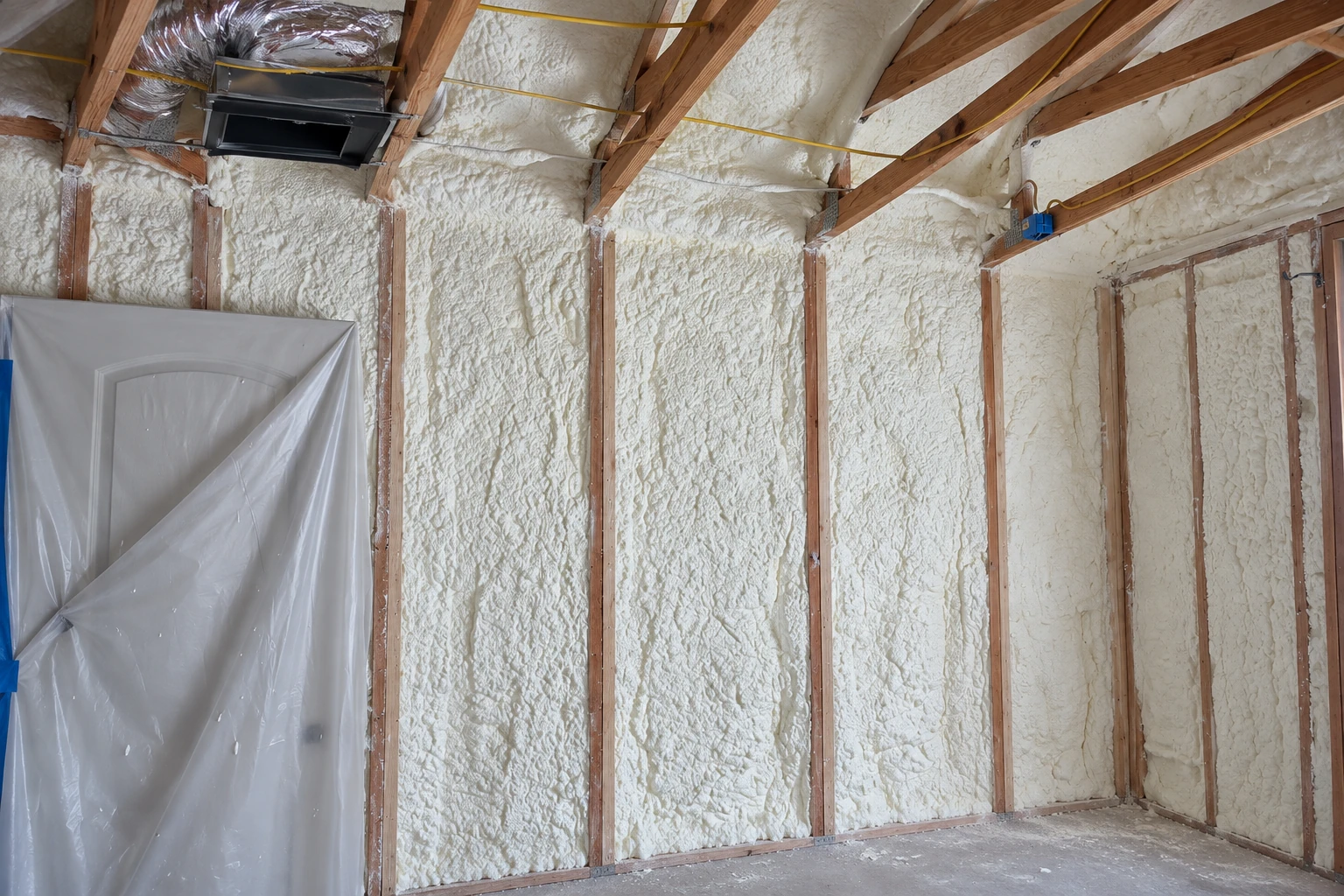
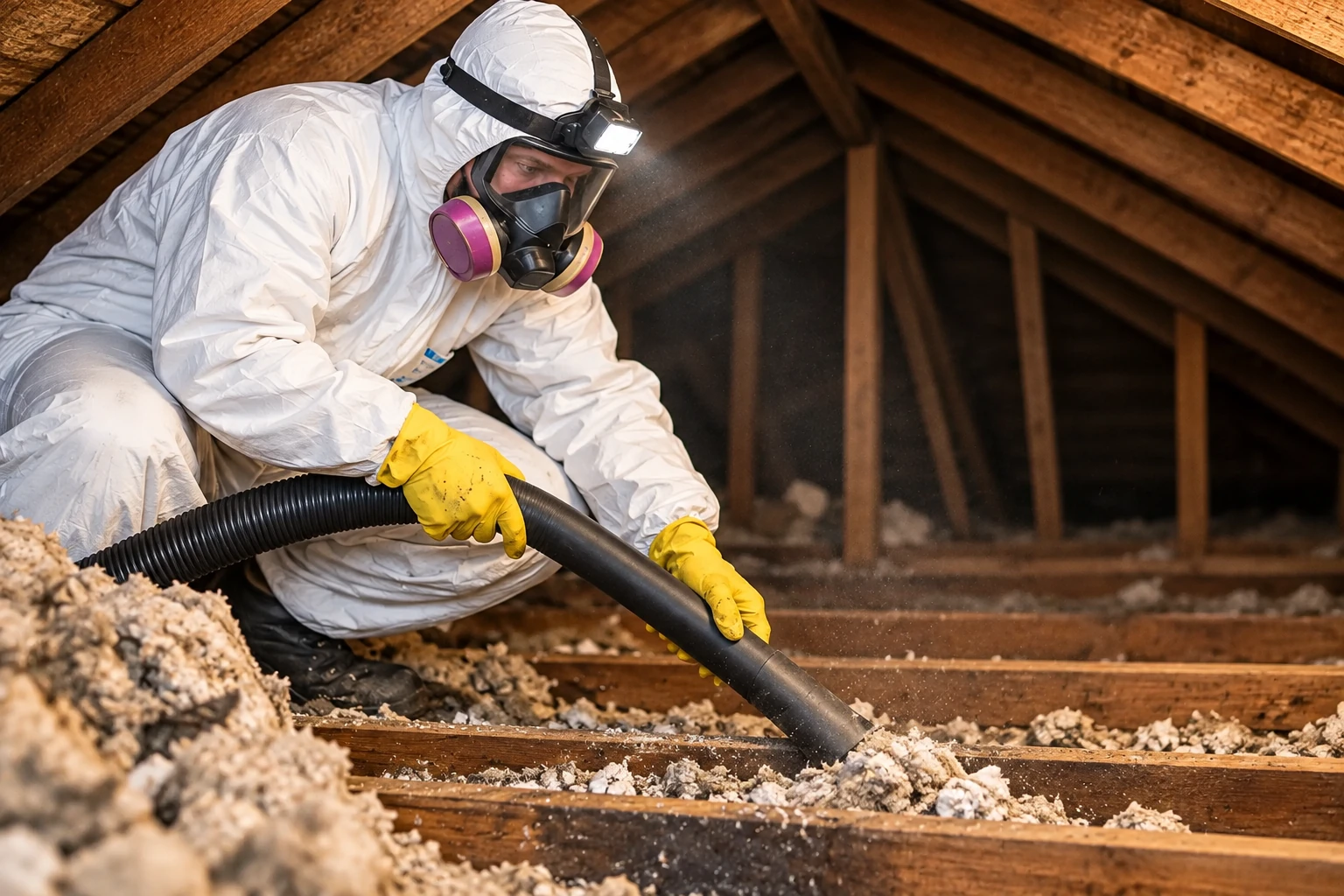
The price turns on how big the attic or crawl space is, how easy it is to get into, and what's already there. I measure how many inches you have now, because a thin, even layer just needs topping up, while soaked material or material full of droppings has to come out first, and removal adds labor. Sealing the gaps adds a little time and is usually worth it, and choosing foam over loose fill raises the price. The schedule mostly depends on whether removal comes first. At the estimate I look at the space, tell you what I'd do first and put it in writing.
Why we do the attic in a set order
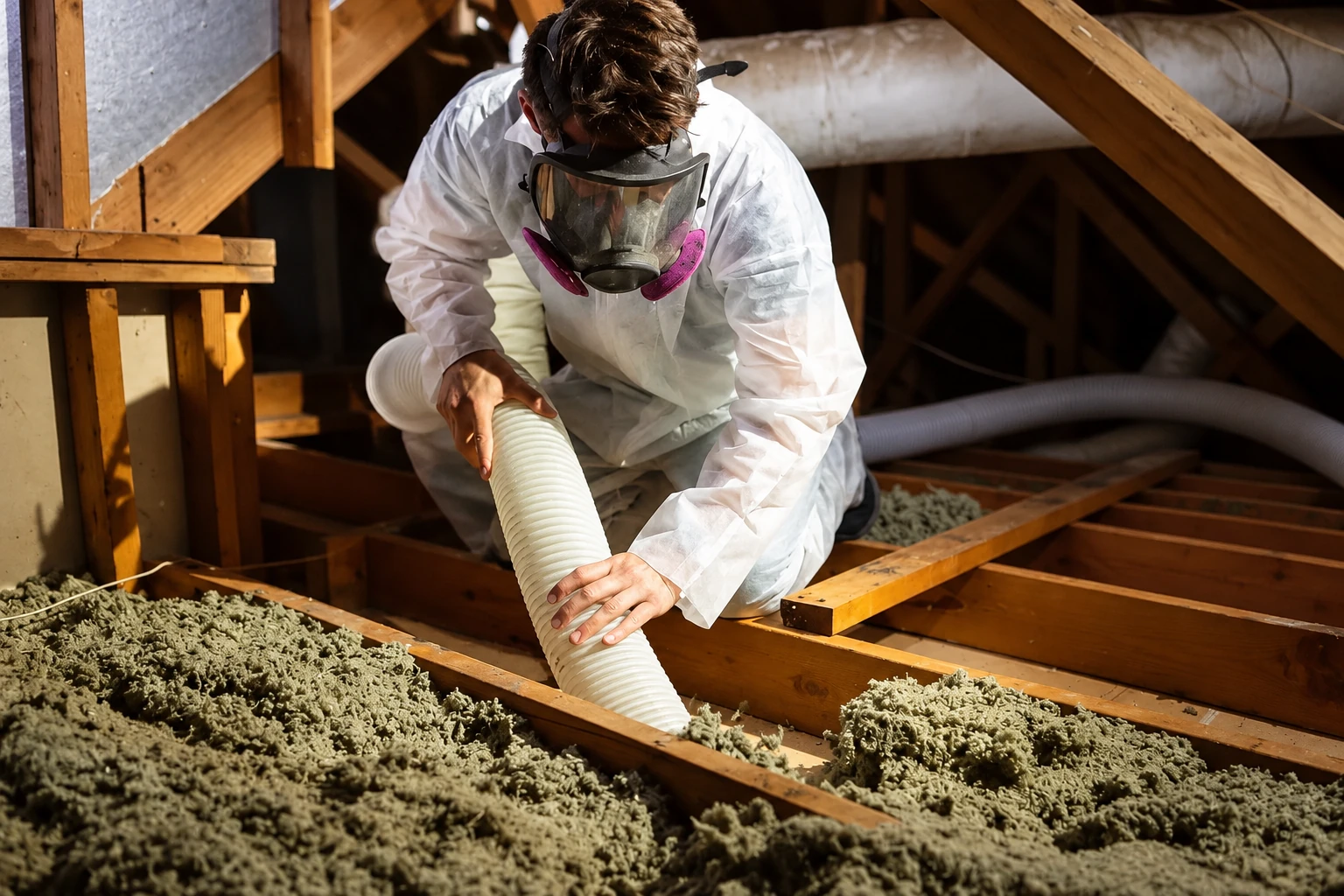
Most hot-upstairs calls come down to the attic, and the fix only holds up if the steps go in order. We clear out anything wet or dirty first, then seal the gaps around can lights, pipes and the hatch so the new layer isn't fighting a draft. We keep the eave vents open so the attic can still breathe, then blow in loose fill through a hose and carry it full depth out to the edges, where it usually runs thin. If more than the attic needs work, start with our home insulation service. I check the job over before we call it done.
Crawl spaces and low ground
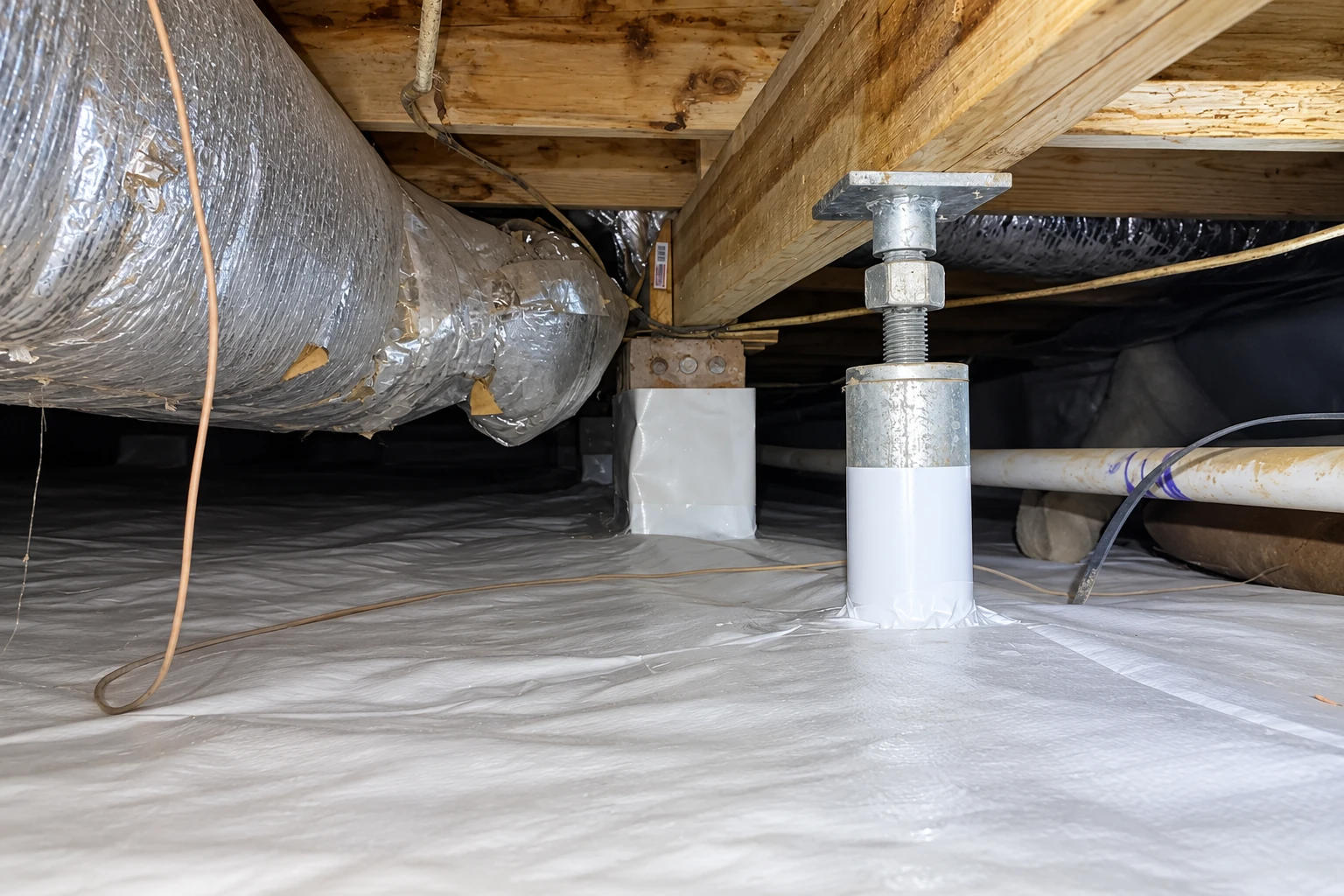
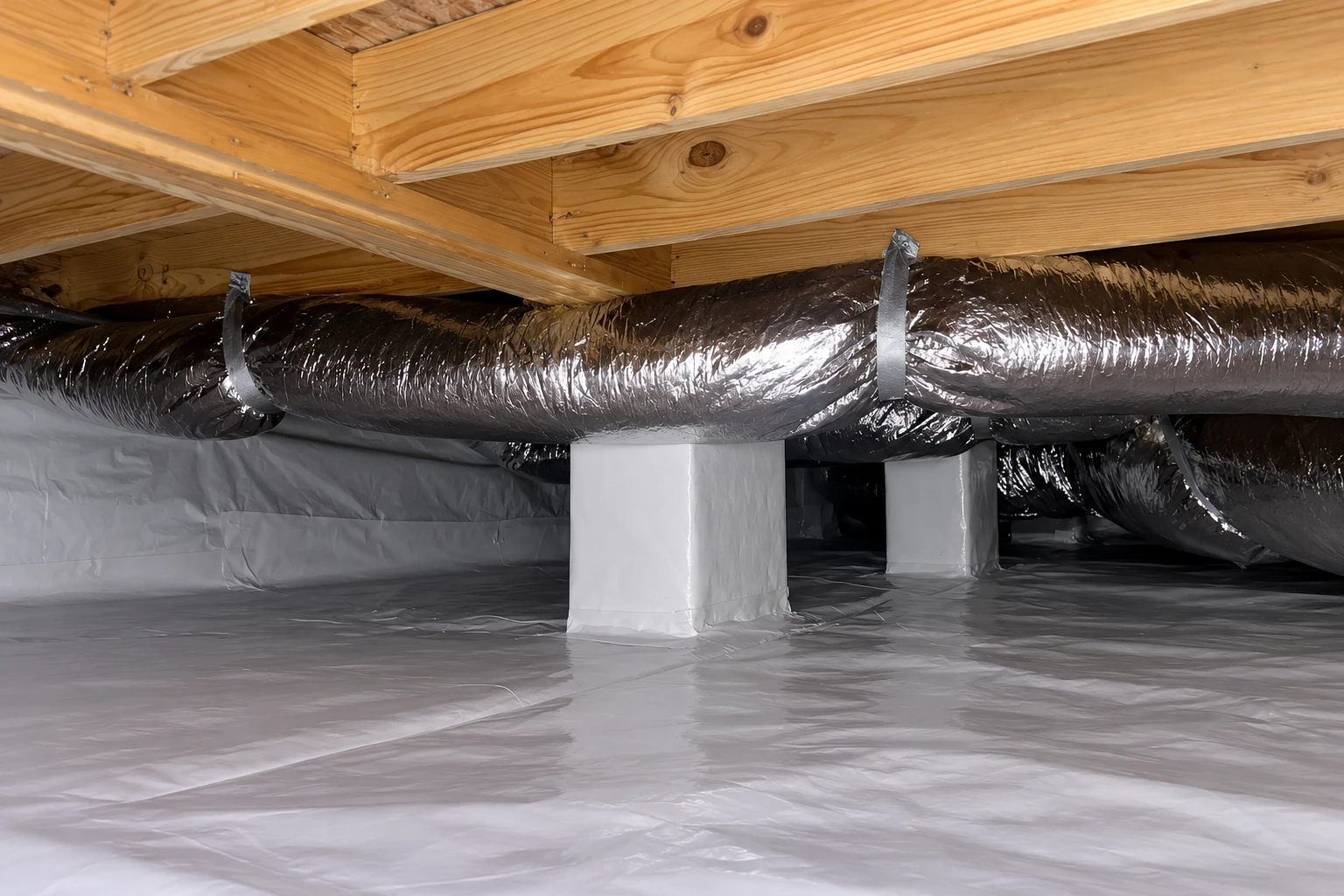
Cold floors usually point to the crawl space. Before we insulate under the floor, I check that it's dry, because insulation over damp ground soaks up water, sags and just puts a new layer on a moisture problem. Sometimes the right first call is a plumber or a drainage fix, and I'll tell you so. If your lot sits low and you want to know where it falls, Berkeley County's FEMA flood hazard map shows the mapped flood areas. It carries FEMA flood data only, not property lines. That's worth knowing before you put money under the floor.