
Basement insulation in Summerville SC - a warmer basement, with the water fixed first
Basement walls that feel cold and damp? We deal with any water first, then insulate them so the room holds its temperature.
I do the estimate visit myself
The person who looks at your basement is the owner, not a salesperson, and I'd rather give you a straight answer than a long pitch. If you only need a small fix, or the job belongs to another trade, I'll say so.
Licensed and fully insured in South Carolina
South Carolina lists insulation installers as a residential specialty contractor trade, and that covers any job over $500 a property owner hires out. We're licensed and fully insured on every job we take.
Six years of doing the prep first
I started this business in Summerville in 2020 after learning the trade on an installer's crew, and we still fix leaks, bad wiring and wet spots before anything gets covered up. Call (843) 285-6022 or use the form below.
Basement insulation in Summerville, done in order
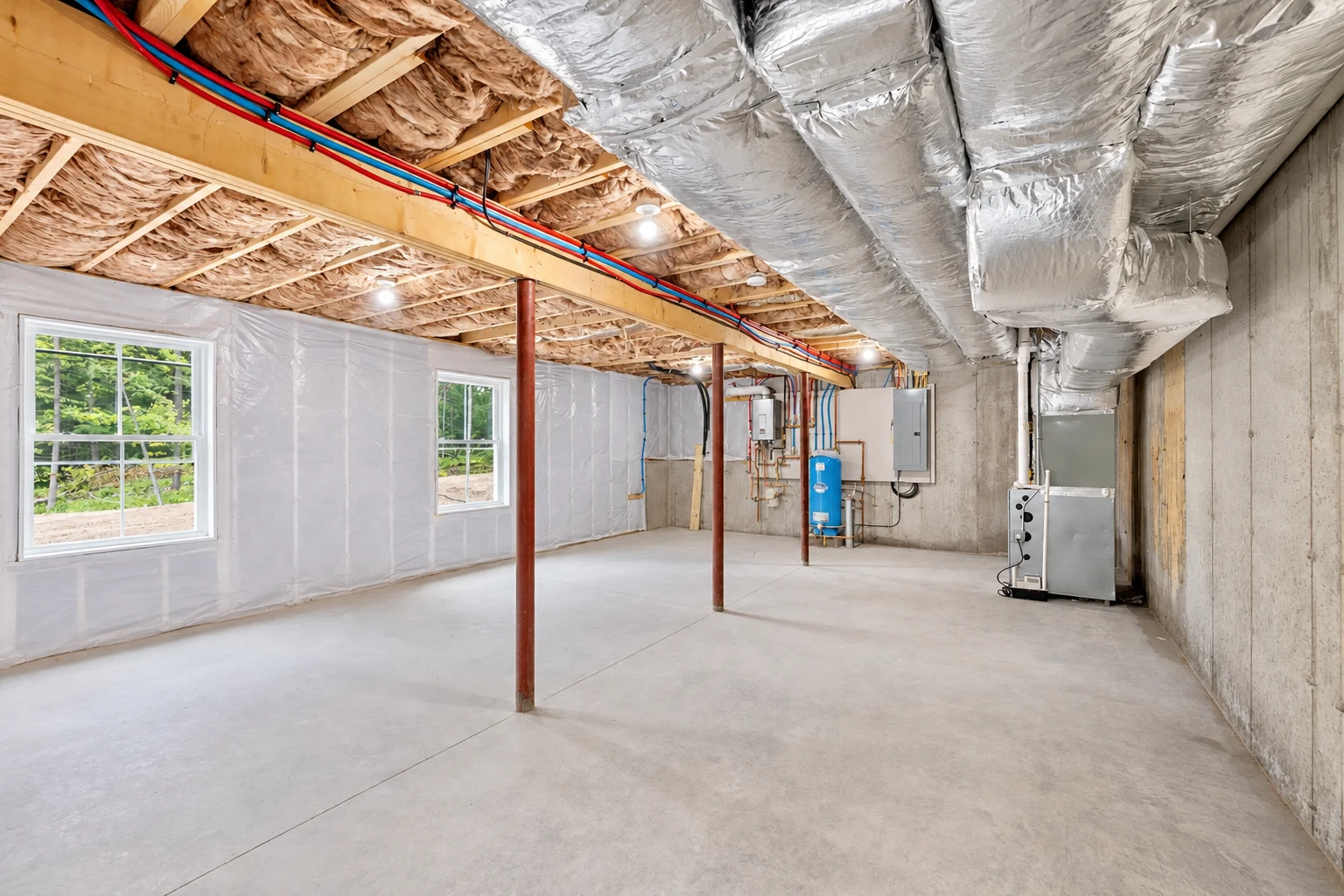
Basement insulation in Summerville, SC means insulating the foundation walls, and in a house you already live in, we work from the inside. It helps anyone whose basement feels cold and clammy, because insulated walls usually keep the space warmer, and so drier, through humid summer weather.
The price moves with how much wall there is, whether it's bare block or already finished, which method we use and what has to be fixed before anyone insulates. Foam usually costs more than a framed wall with batts, and a water repair or a furnace check adds its own cost on top. At the estimate I look at all of it and put what I'd do, and in what order, in writing.
The schedule mostly turns on what comes before the insulation. A wet wall waits on its repair, and a permitted job waits on the city's plan review. Inside Summerville's limits, the Building Department requires permits for renovations and repairs to structures and systems, and its list names electrical, gas, mechanical and plumbing work but not insulation, so we sort out which office covers your address and take care of any permit the job needs.
How we handle basement insulation
Water gets fixed before insulation
Water comes first. If a basement wall is wet, we get that fixed before we talk about foam or framing, because insulation laid over a leak just hides it while the damage keeps going. That means stopping any water coming through the wall and steering rain and runoff away from the foundation. Some of that is gutter or waterproofing work that belongs to another trade, and I'll tell you so plainly instead of insulating over it.
Foam on the wall, board over it
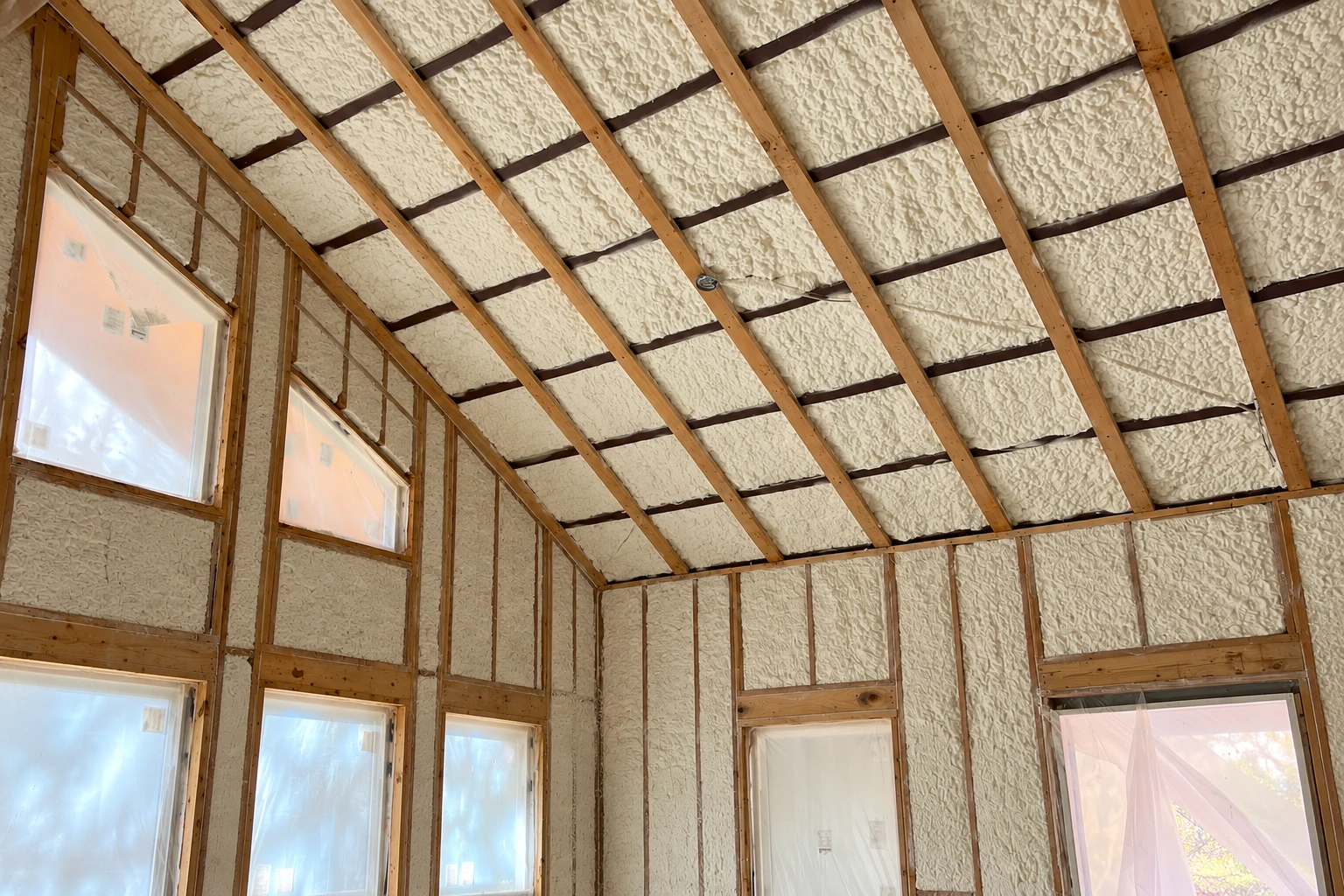
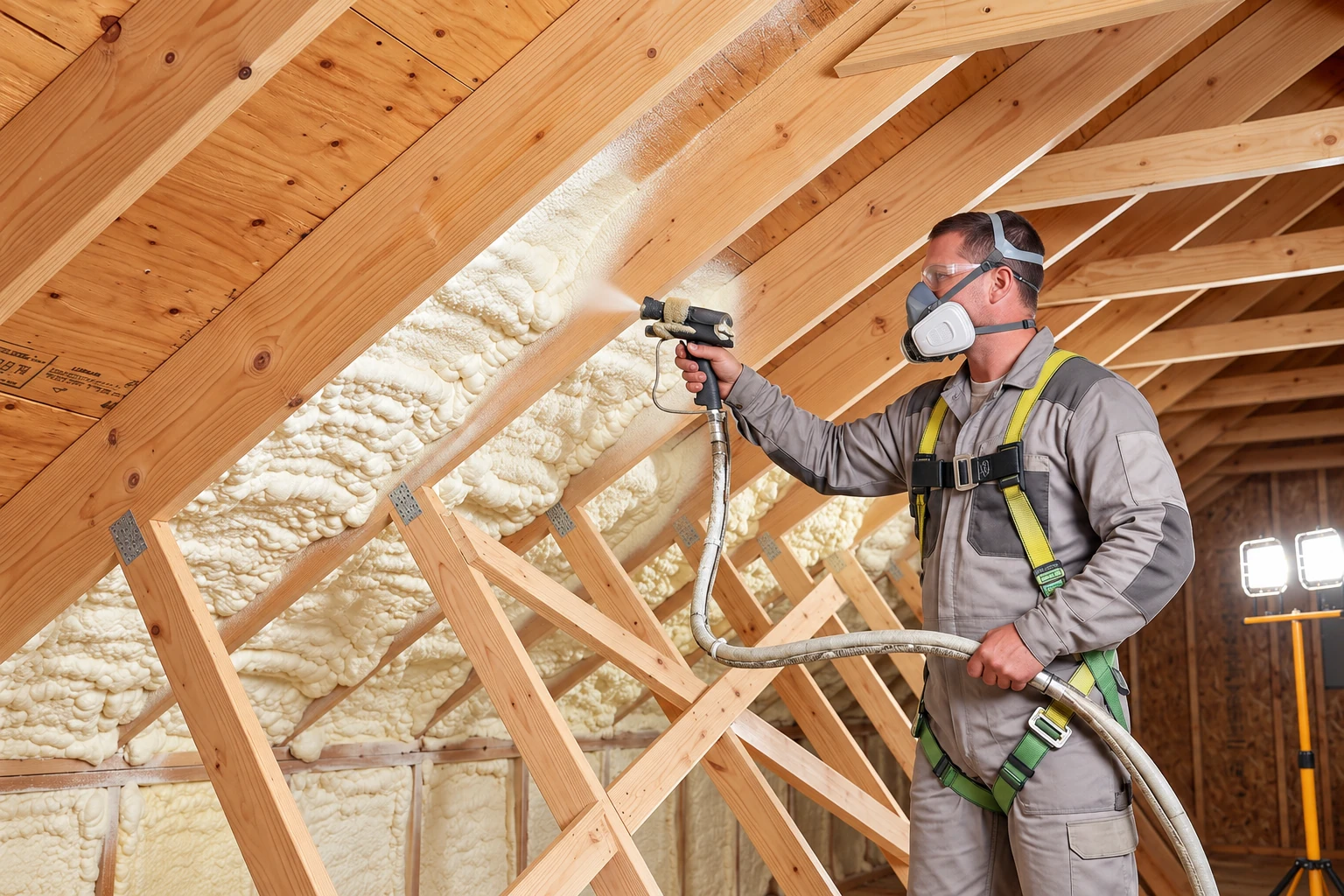
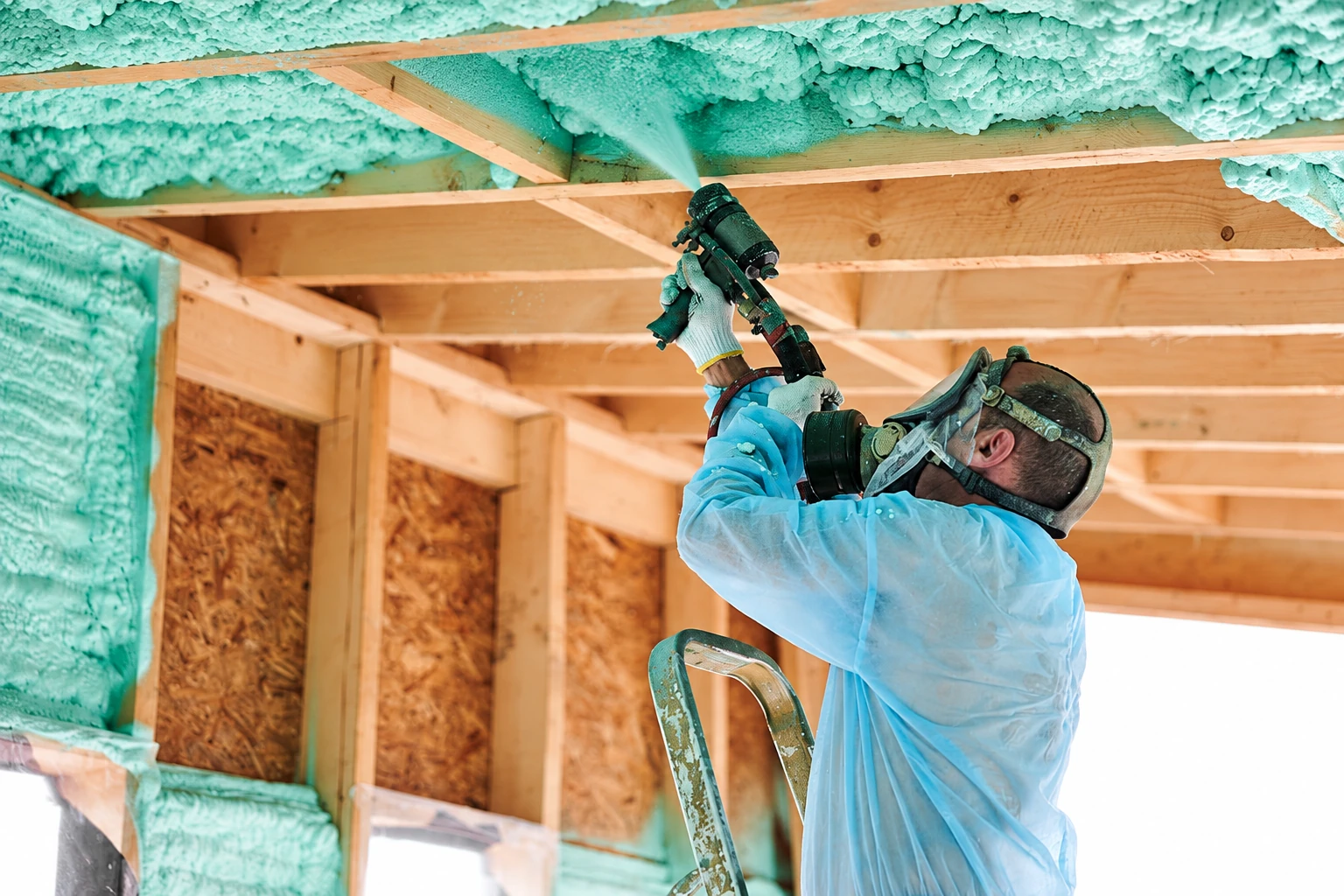
On bare block or concrete, foam that goes right onto the wall is the most direct route. Closed-cell foam insulation is dense and blocks moisture, and open-cell foam insulation is lighter, and the two handle damp differently, so we pick between them once I've seen your walls. Foam can't be left bare, though. Gypsum board goes over it to meet building code as a thermal barrier, a layer that shields the foam from fire, so we count that board in the job from the start.
Planning the furnace and water heater check
If a furnace or water heater lives down there, we plan its safety check into the job instead of tacking it on at the end. For natural draft equipment, the kind that sends exhaust up a flue on its own, the national checklist for this work calls for a combustion safety test, which checks that exhaust isn't back-drafting or spilling into your house. Insulating a basement changes how air moves around that equipment, so I'd rather know it's venting right before we finish than after.
Get a written plan for your basement walls
Send the form and we'll reply within one business day to set up a free estimate at your home, with no obligation. Then I visit, look at your walls and put what I'd do in writing.
(843) 285-6022What happens after you call us
I look at your basement
I come out myself, check for water or anything that has to be fixed first, and tell you at the visit what I'd do and in what order. When you call, mention bare or finished walls, any leaks, and any furnace or water heater.
Your written plan and permit
You get the plan in writing. Inside Summerville's limits, residential plan review takes three weeks in most cases, so a permitted job builds that wait in, and every subcontractor on a Summerville residential permit needs a Summerville business license.
Installers work, I check it
Our installers do the work, and when Summerville inspects a permitted job, an inspection requested by 3:00 pm can usually be done by the end of the next business day. I look everything over myself before we call it done.
Basement insulation questions from Summerville
What insulation is best for bare basement walls in Summerville?
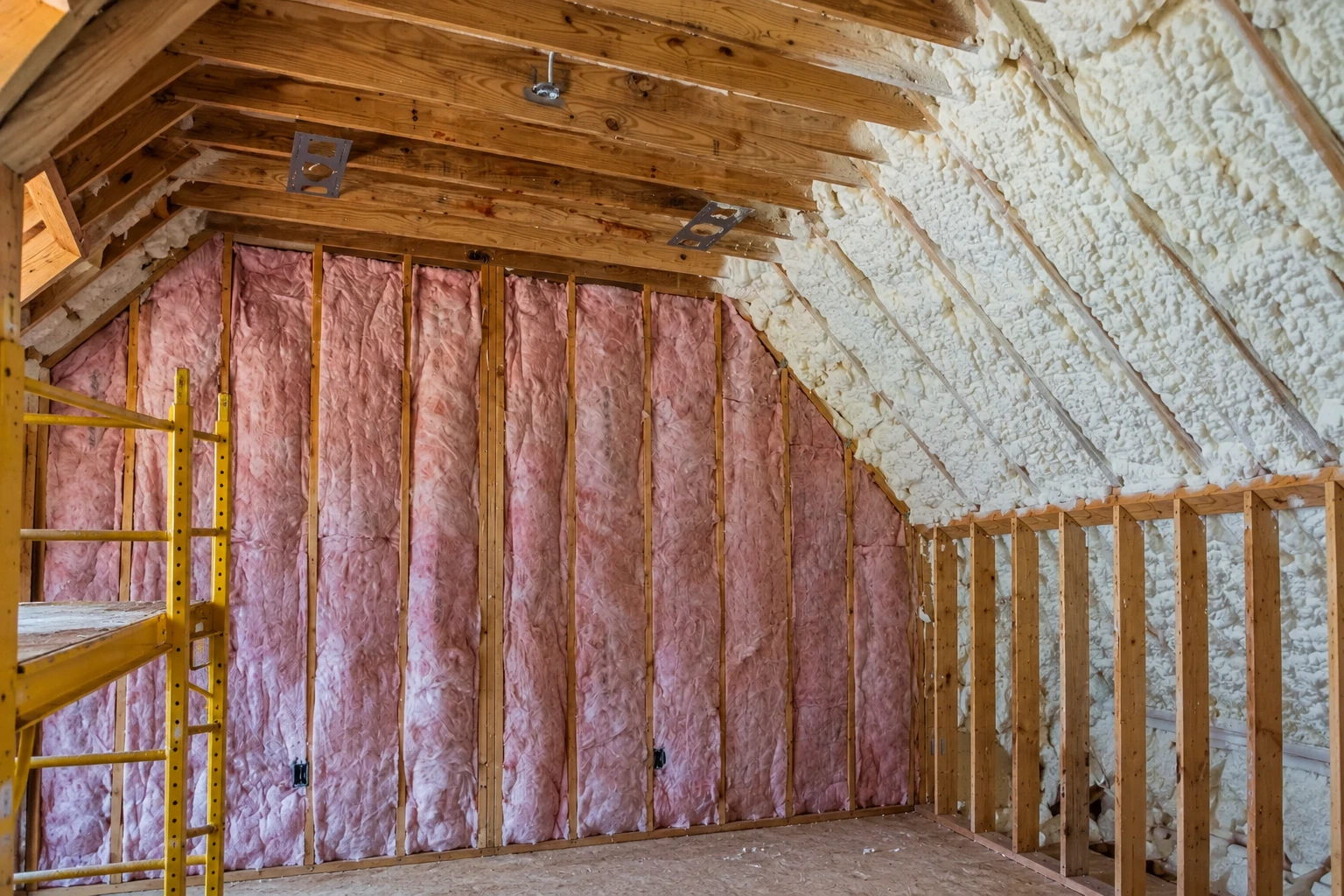
For bare walls, it's usually foam or a framed wall. Spray foam or rigid foam panels go onto the block or concrete, while a framed wall gets batts or blown-in loose fill, then drywall. The outside of the wall is the best spot, but that usually isn't practical on an existing house. For a finished room, I'd frame it.
What should I fix in my basement before insulating it?
Fix anything the insulation would hide, starting with water. The same national checklist calls for checking the basement for asbestos, lead paint, water coming in, moisture and pest damage, with a list of problems going to the homeowner before work starts. I do that check at the estimate and tell you which fixes are ours and which belong to another trade.
How much does basement insulation cost around Charleston?
Adding or replacing insulation in the Charleston metro area usually costs about $1,500 to $4,900 per job, and that range covers insulation work in general, not basements alone. Where your basement lands depends on wall area, the method and any repairs that come first. I put the plan in writing at the estimate so you see your own number.
Can you insulate a finished basement without tearing out the drywall?
Usually, yes, by drilling holes and blowing insulation into the hollow spaces inside the framing. We patch the holes afterward, so you keep your finished walls. What I check first is whether anything wet or damaged is hiding behind that drywall, because blowing insulation in over a problem just buries it.