
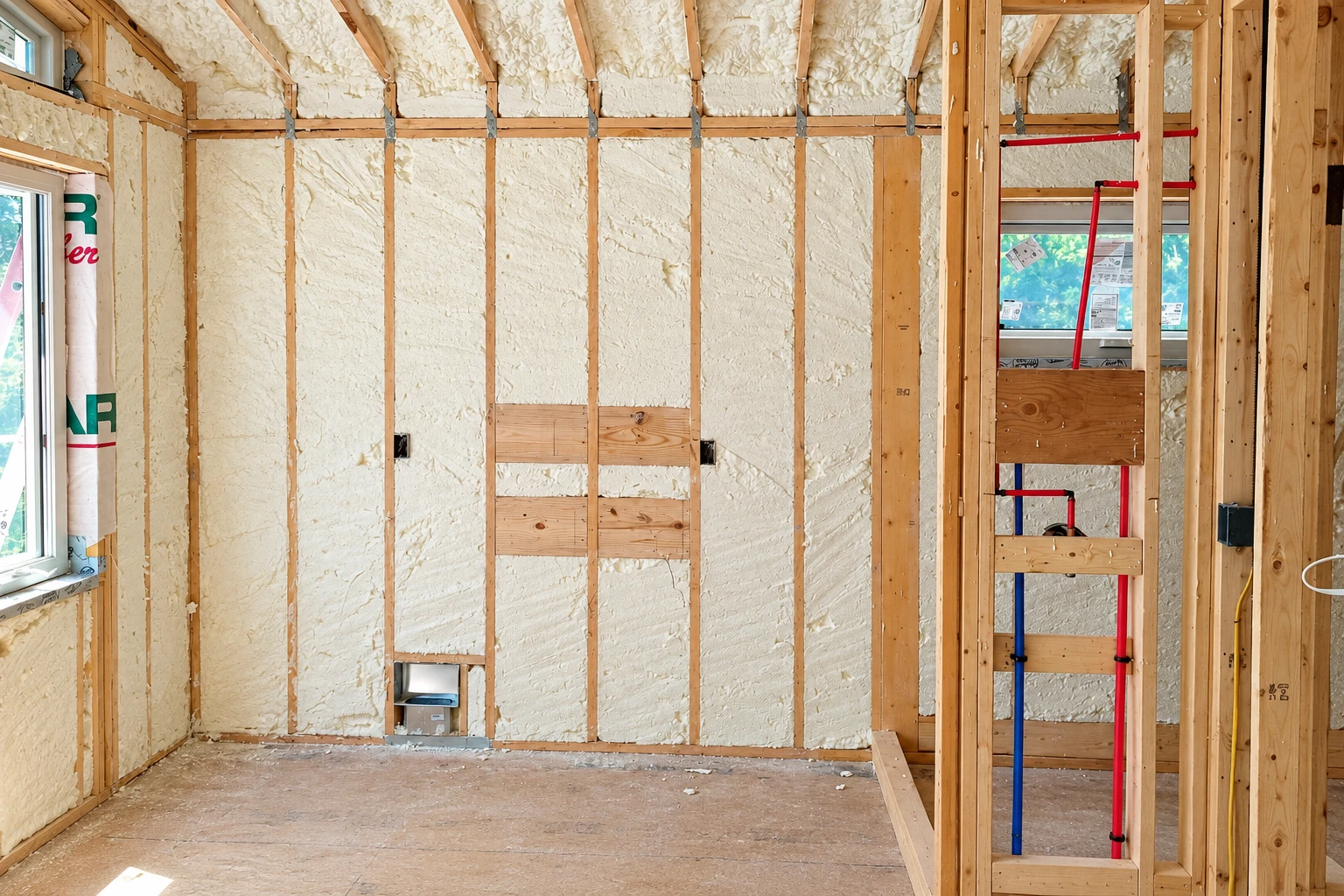
Most of our Goose Creek calls start with a room that won't hold its temperature, usually an upstairs bedroom in July or the room over the garage, or with a power bill that keeps creeping up. We're based in Summerville and work here regularly, along with Charleston and the other cities around it, so we know how houses in this area handle the heat and the damp. The city is mostly neighborhoods of single-family houses, a mix of older one-story ranches and newer two-story homes.
In the older houses there's usually something already up there, often a few inches of matted fill, and the job starts with what's under it. In the newer ones it's more often gaps and thin edges, so the work is sealing first and then evening out the coverage.
What sets the price and the schedule
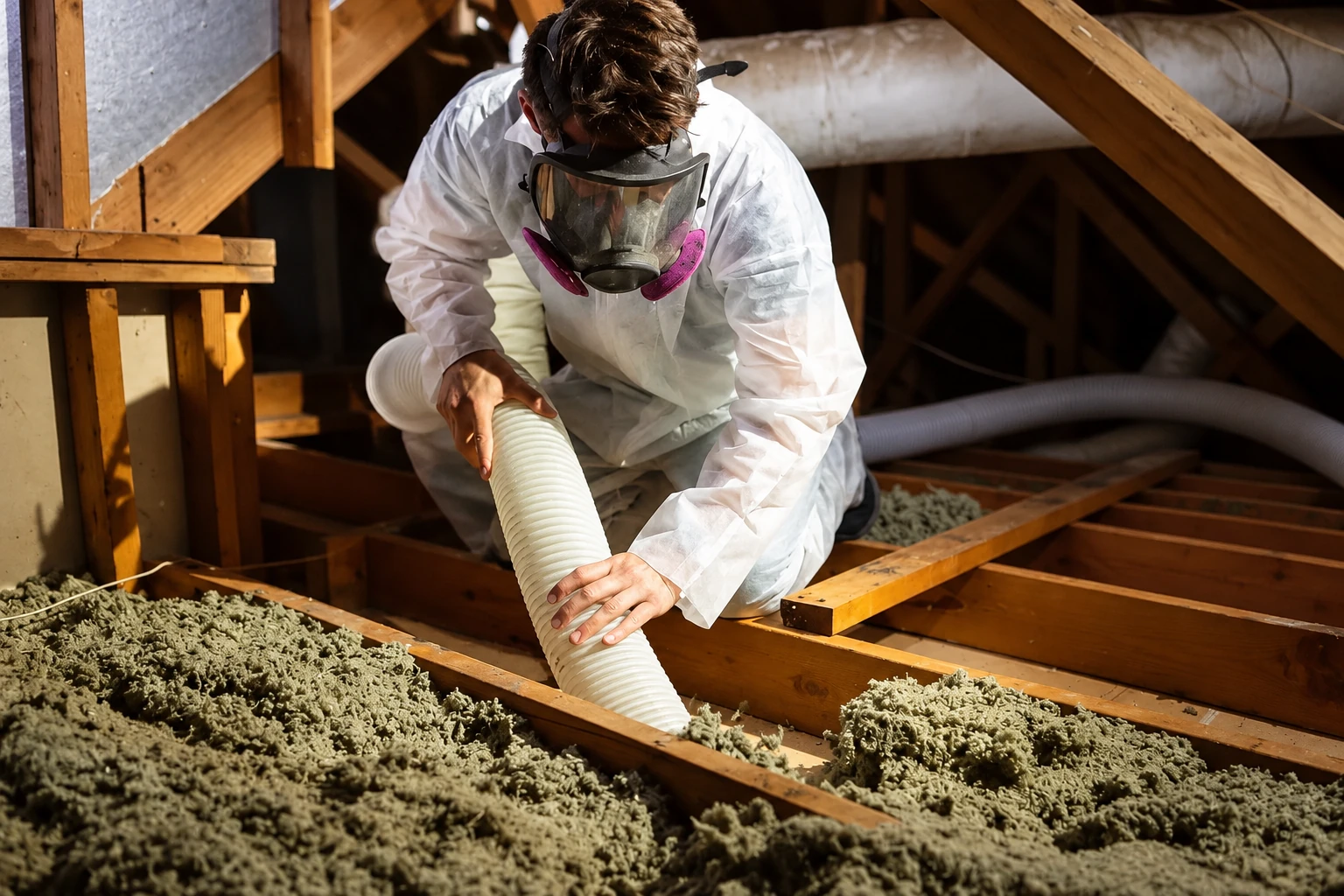
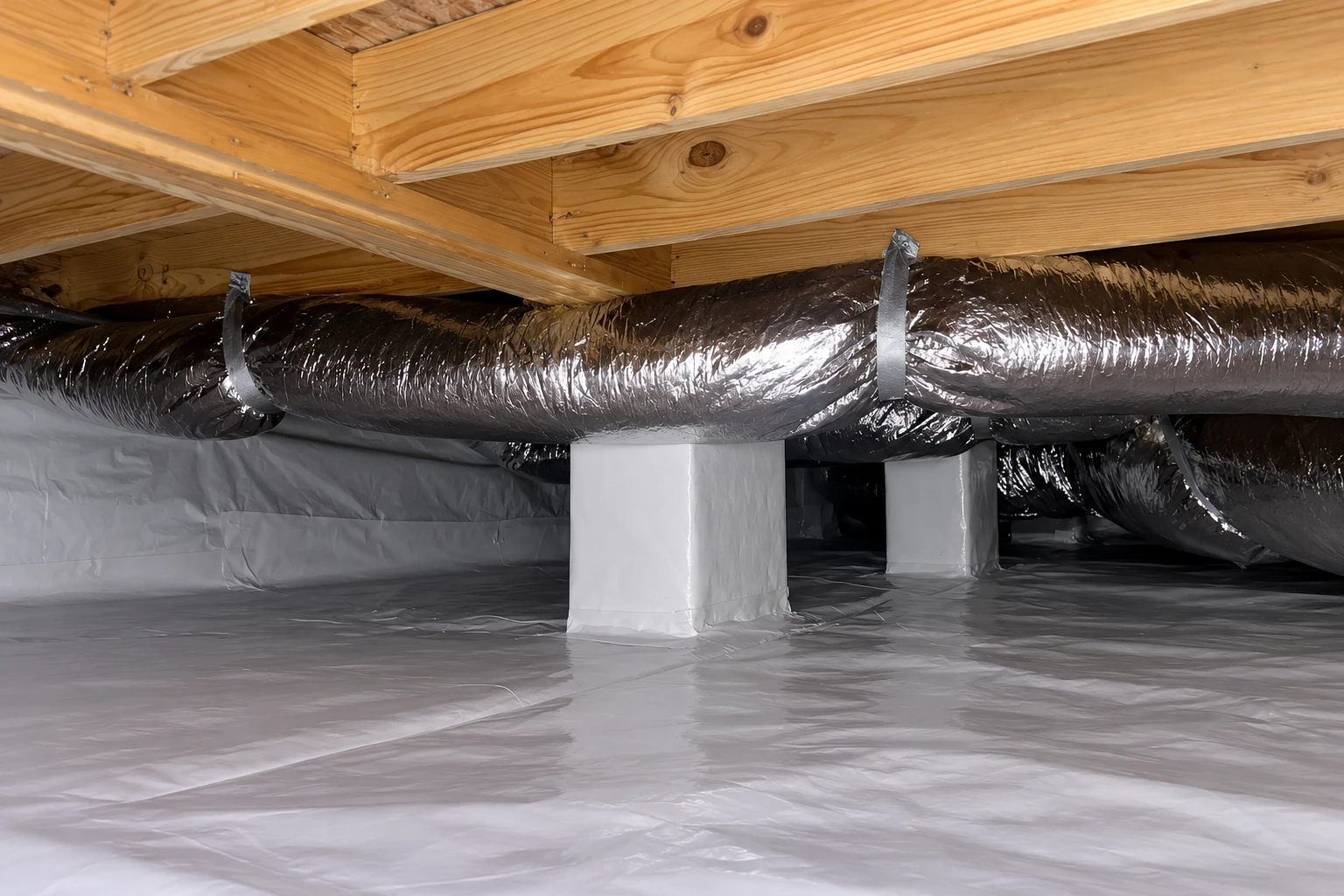
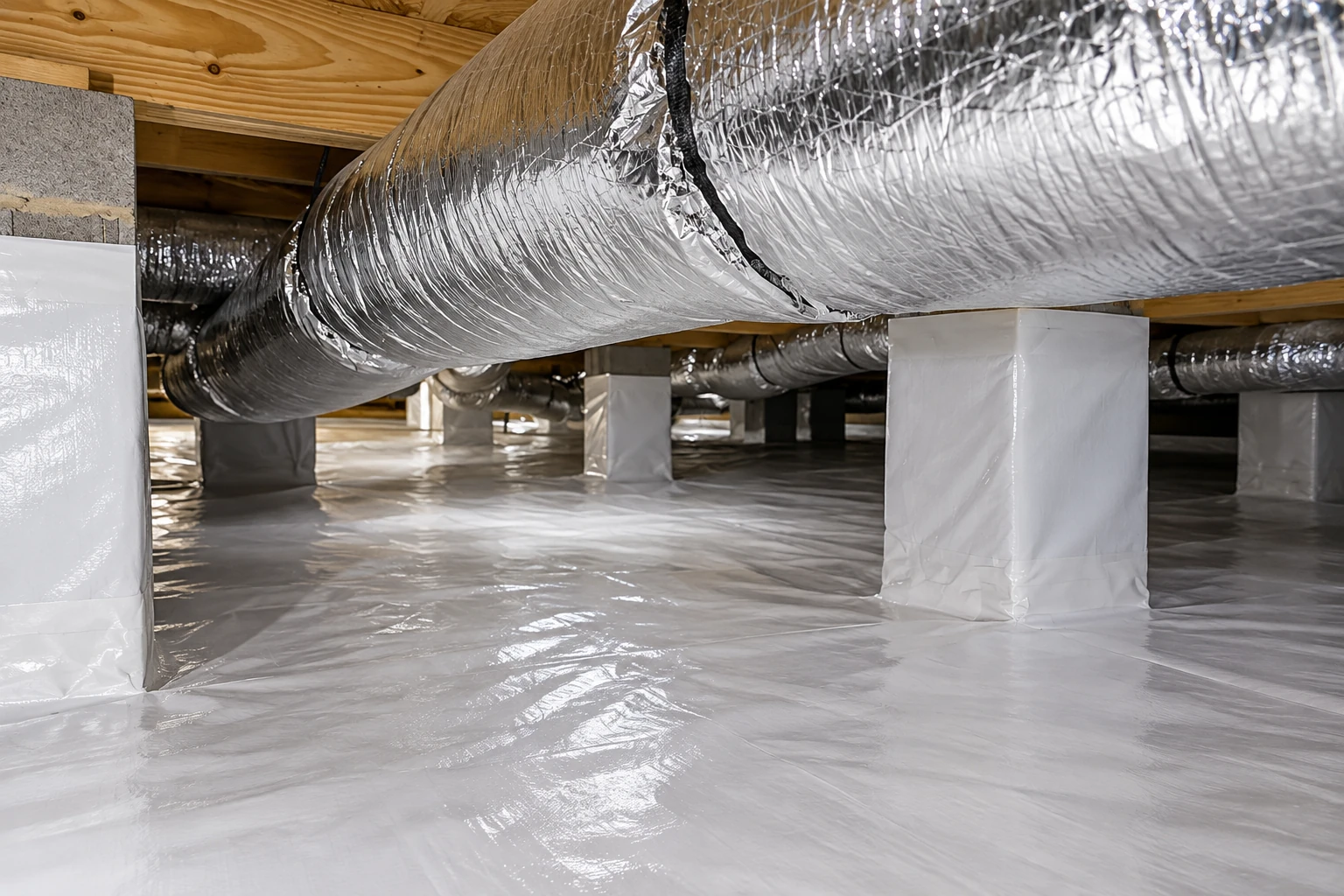
The price comes down to how big the space is, how many inches are already up there, and whether the old material can stay or has to come out first. Air sealing, closing the gaps around pipes, wires, can lights and the hatch before new insulation goes in, adds to the job, and it's often where the draft is really coming from. The schedule turns mostly on access, since a tight attic or a low crawl space slows the crew down, and on whether a roofer or electrician has to go first. At the estimate I go up there myself and give you the plan and your number in writing.
When the old insulation has to go
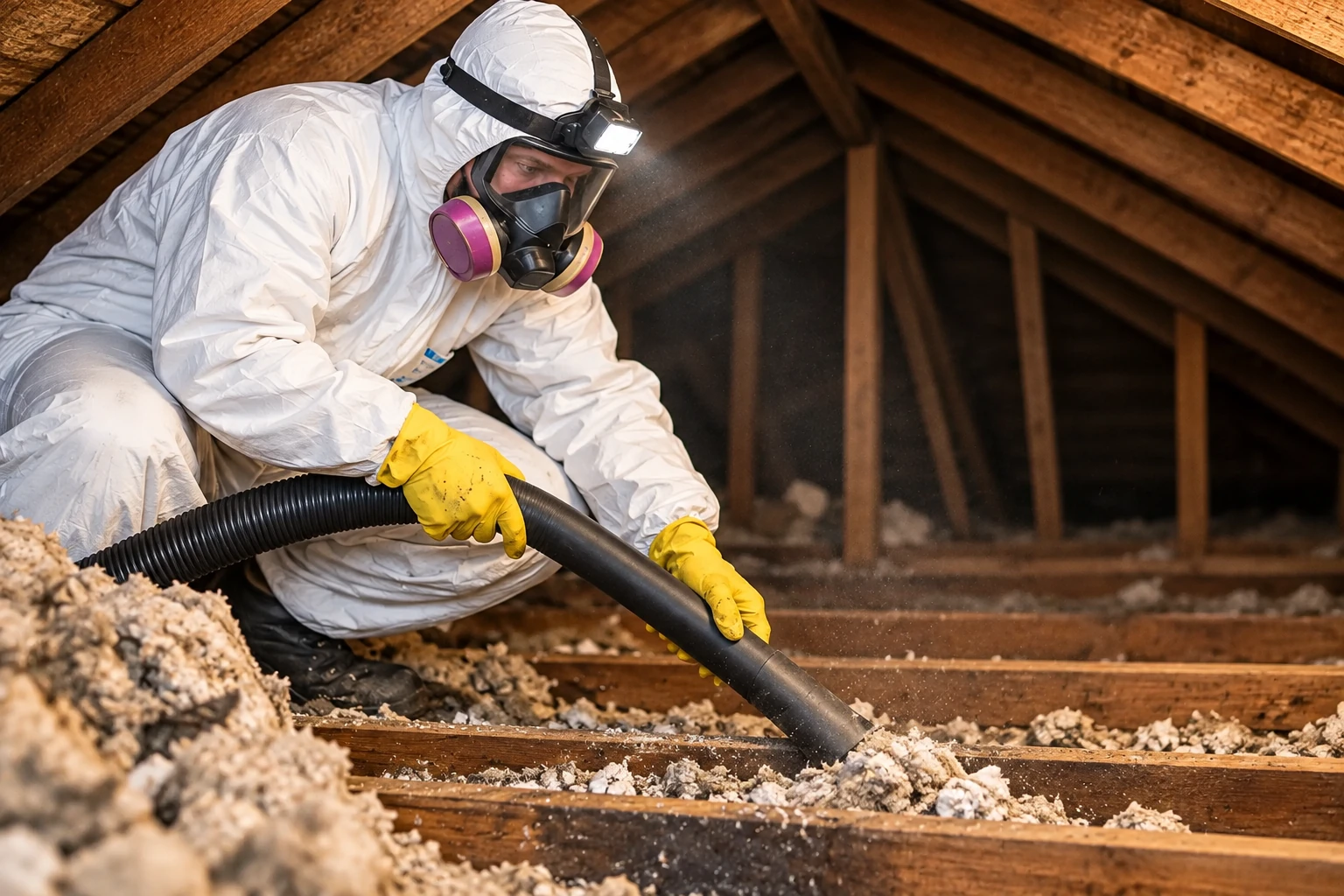
If what's up there now got soaked by an old leak or is full of droppings, laying fresh material on top just keeps the problem in your attic. In that case we pull it out first with our insulation removal work, clean the space, and then insulate. It's dirty, unglamorous work, and it's the step that gets skipped most often. If the old fill is dry and clean, it stays and we build on it. I'll tell you which one you've got after I've looked, and if it doesn't need to come out, I'll say so.
Getting the attic ready for our crew
The main thing we need is a clear path to the attic hatch, whether it's in a hallway, a closet or the garage ceiling, so move anything stored around it before the crew arrives. Boxes sitting on the attic floor should come down too, because we can't seal or insulate under them. We cover the path through the house and clean up when we're done. Up top, we keep the vents along the eaves clear so the attic can still breathe and moisture doesn't collect in the framing, and we bring the edges up to full depth, since that's where coverage usually comes up thin. I check the work over before we call it done.