
Summerville is home base for us, and a lot of our calls here start the same way: an upstairs that won't cool down in summer, a room over the garage that's never the right temperature, or a house someone just bought and wants checked before the power bill shows up. The houses run from older ones closer to downtown to newer subdivisions built out toward the edges. We do the same work up the road in Ladson and down in North Charleston.
Those two kinds of houses need different things from us. Older homes usually have thin, settled insulation, sometimes wet or full of droppings, that has to come out before anything new goes in, while newer homes tend to have decent depth but open gaps around can lights, pipes and the attic hatch.
Check whether you're in town or county
Before anything else, we find out whether your house sits inside the Town of Summerville or in unincorporated Dorchester, Charleston or Berkeley County, because a Summerville mailing address doesn't settle it and the town's planning office treats that as an important question. It decides which office covers your job, so we settle it before the crew climbs into your attic. We're licensed and fully insured, and it's fair to ask any contractor about both before they start. If they can't give you a straight answer on who covers your address, that tells you something too.
What sets the price and the schedule
The biggest thing is what's already up there. If the old insulation is wet, full of droppings or packed down to a few inches, it comes out first, which adds work and cost, because laying fresh material on top only hides the problem. After that, it's how many gaps need sealing around lights, pipes and the hatch, how easy the attic or crawl space is to get into, and whether foam or loose fill makes sense. The schedule turns on the same things, plus any permit the job needs. You'll get your own figure in writing once I've seen the space.
Foam or sealing plus loose fill
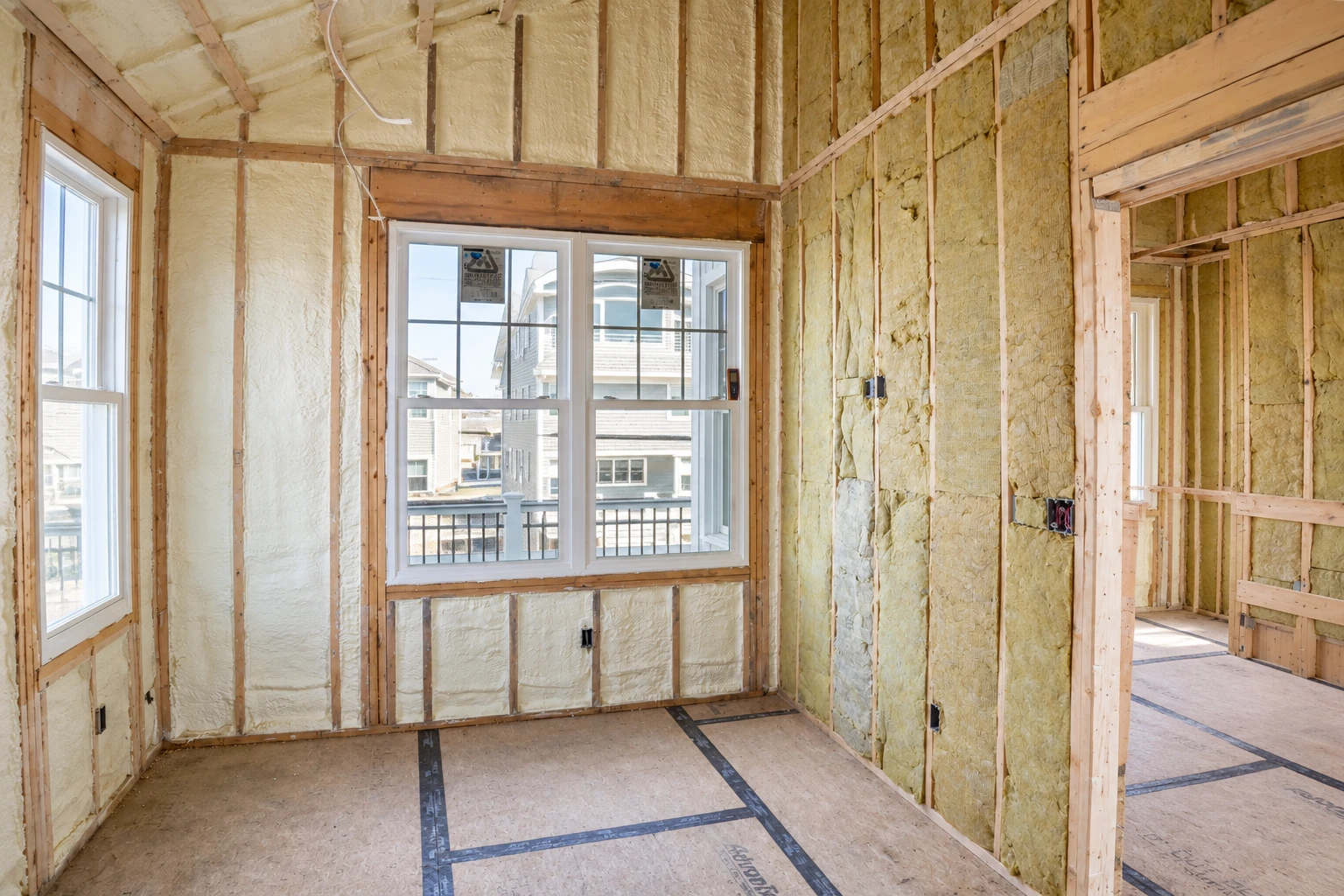
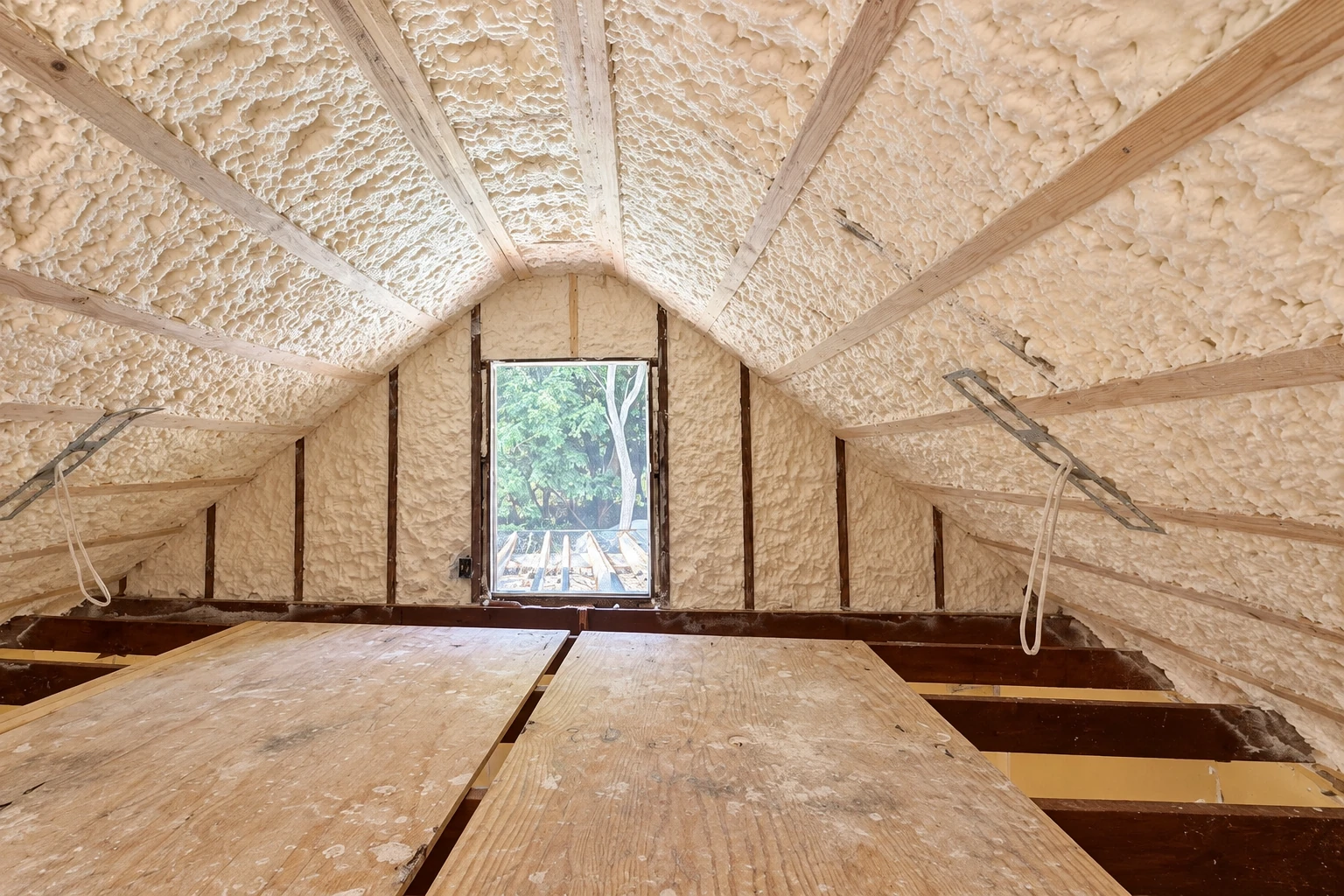
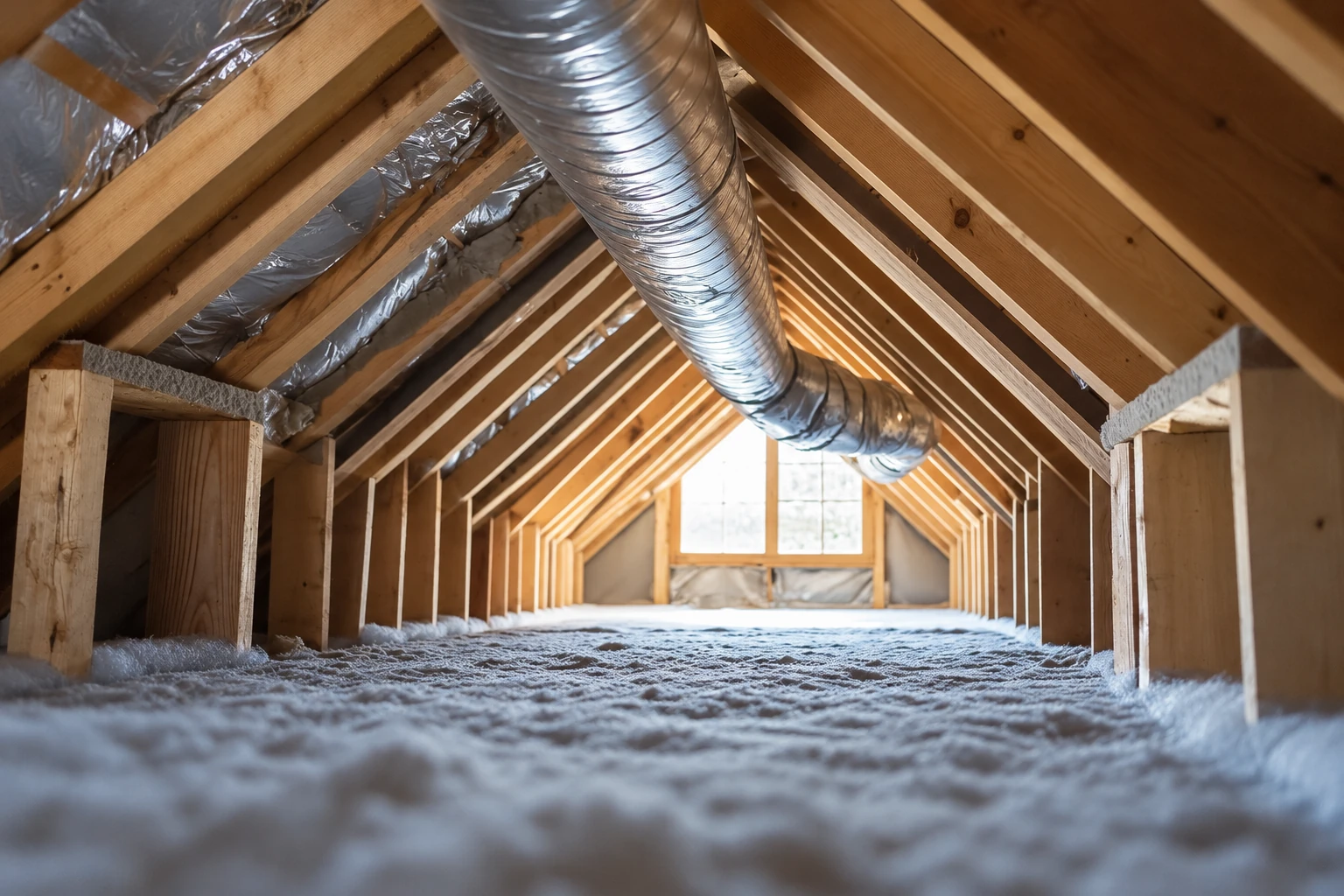
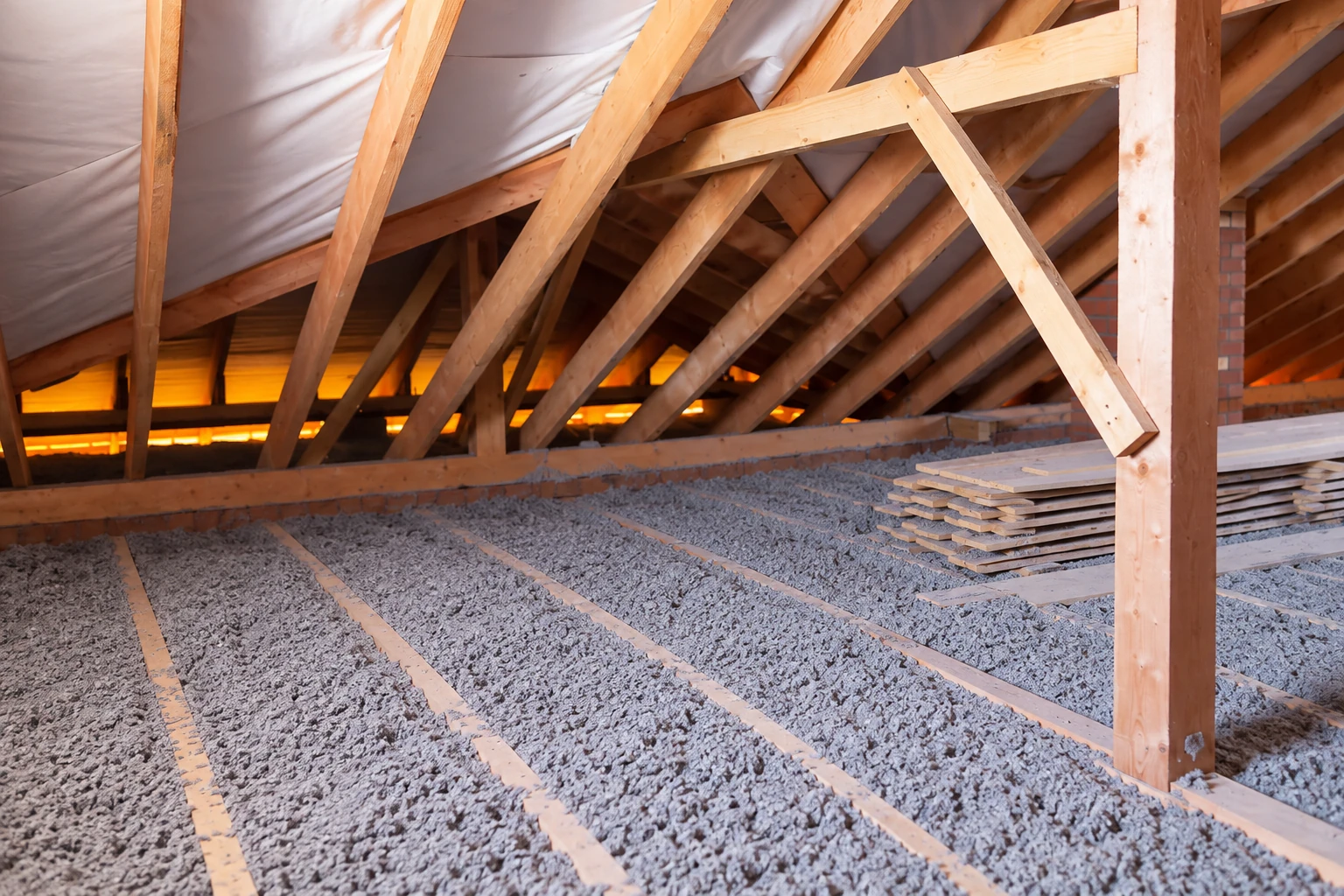
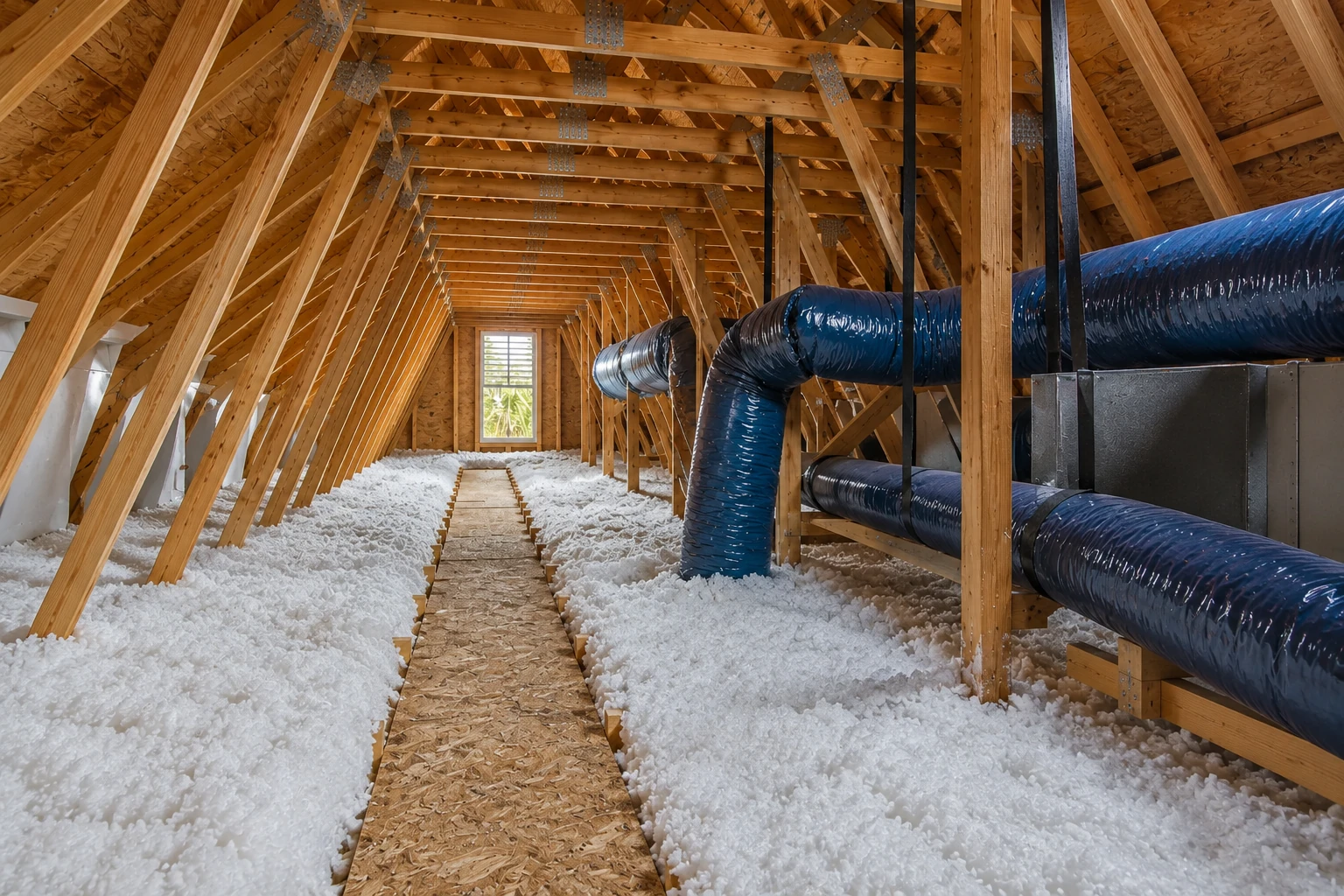
Spray foam insulation costs more, and it seals air while it insulates. In most Summerville attics, sealing the gaps first and then topping up with blown-in insulation, loose fill we blow in through a hose, usually wins because you get most of the benefit for less. The exception is ductwork running through the attic, which we see in plenty of houses here, since foaming the roofline keeps those ducts out of the heat. Either way, we keep the eave vents clear so the attic still breathes, and we fill the edges as deep as the middle, where thin coverage usually hides.