
James Island houses run from older homes on settled streets to newer neighborhoods, and the address matters before we touch the attic. Part of the island sits inside the Town of James Island, part is inside the City of Charleston, and small unincorporated pockets people call donut holes stay with Charleston County, so we work out which one covers your house first. We do the same work in Charleston and in Hollywood.
Most calls here are about a hot upstairs, cold floors or the room over the garage. In older houses we usually find a thin, settled layer in the attic and gaps nobody sealed, and under the house the crawl space is where we look for wet or fallen insulation before anything new goes in.
What moves the price and the schedule
The price mostly comes down to the size of the attic or crawl space, how many inches are already up there, and whether old material has to come out first because it's soaked or full of droppings. Air sealing, which closes the gaps around can lights, pipes and the hatch, adds work, but it's usually the part that actually stops the draft. The schedule turns on removal, a tight crawl space and any permit the job needs. I do the estimate myself, tell you what I'd do first and put it in writing, so you have your own figure before anything starts.
Foam or loose fill in your attic
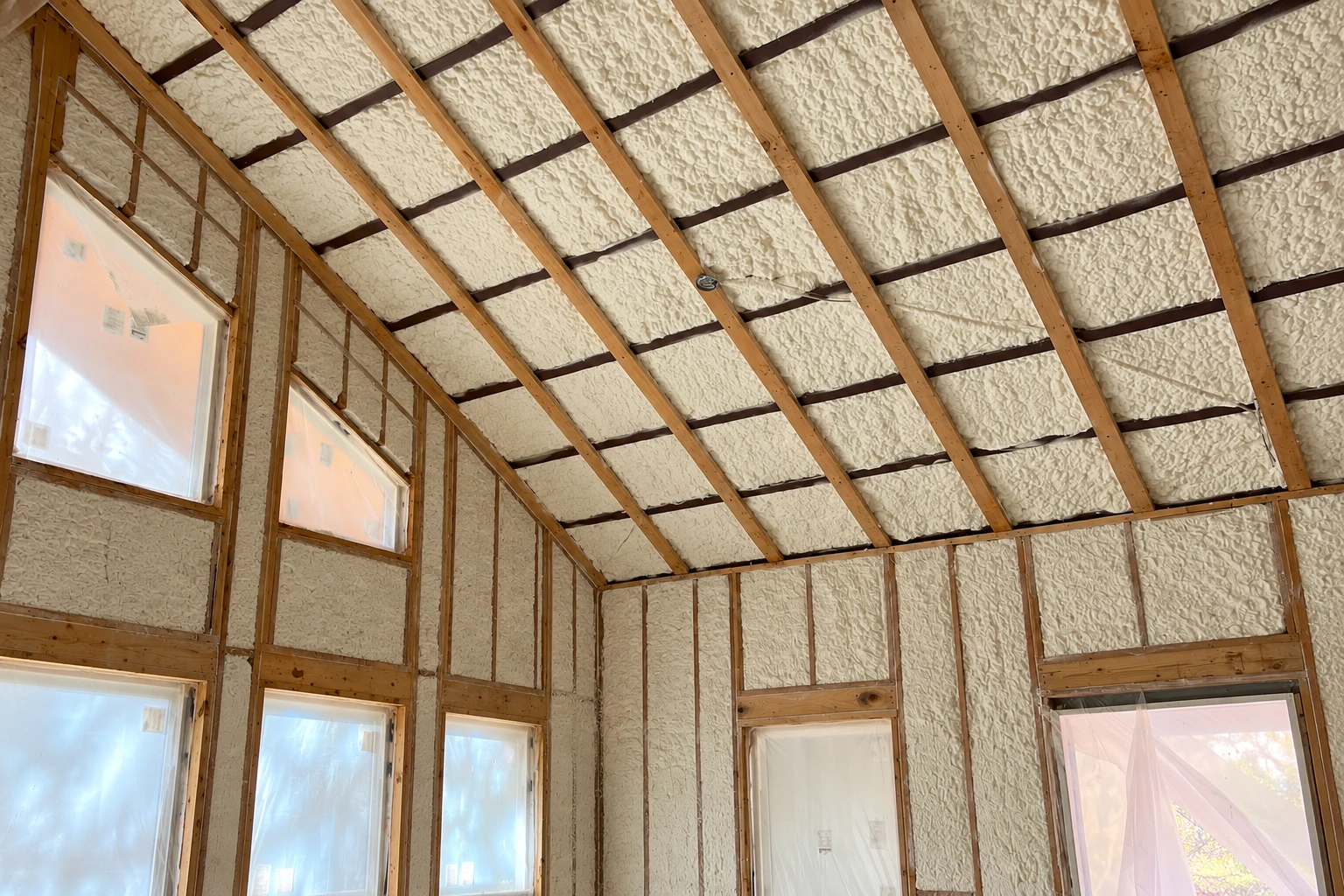
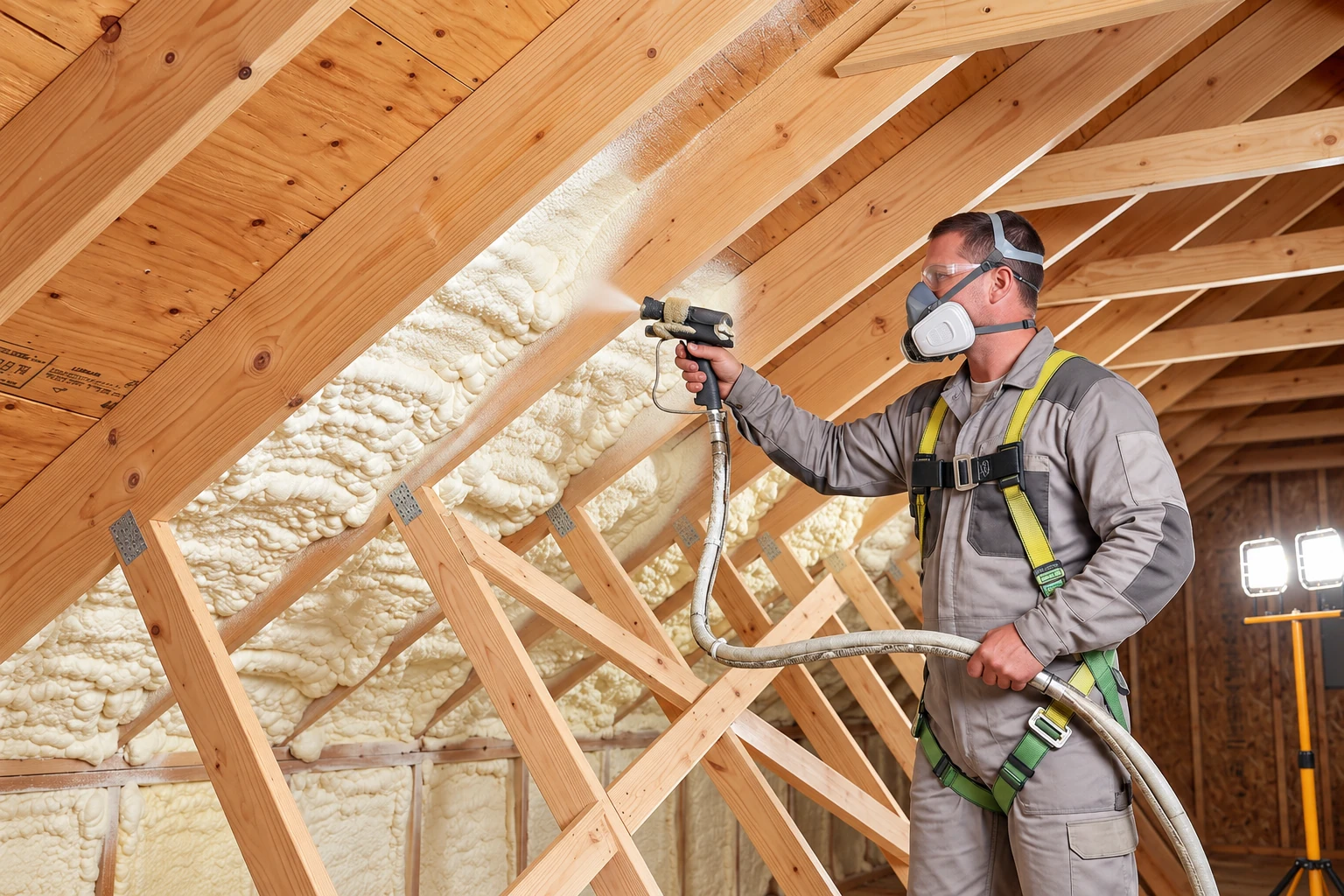
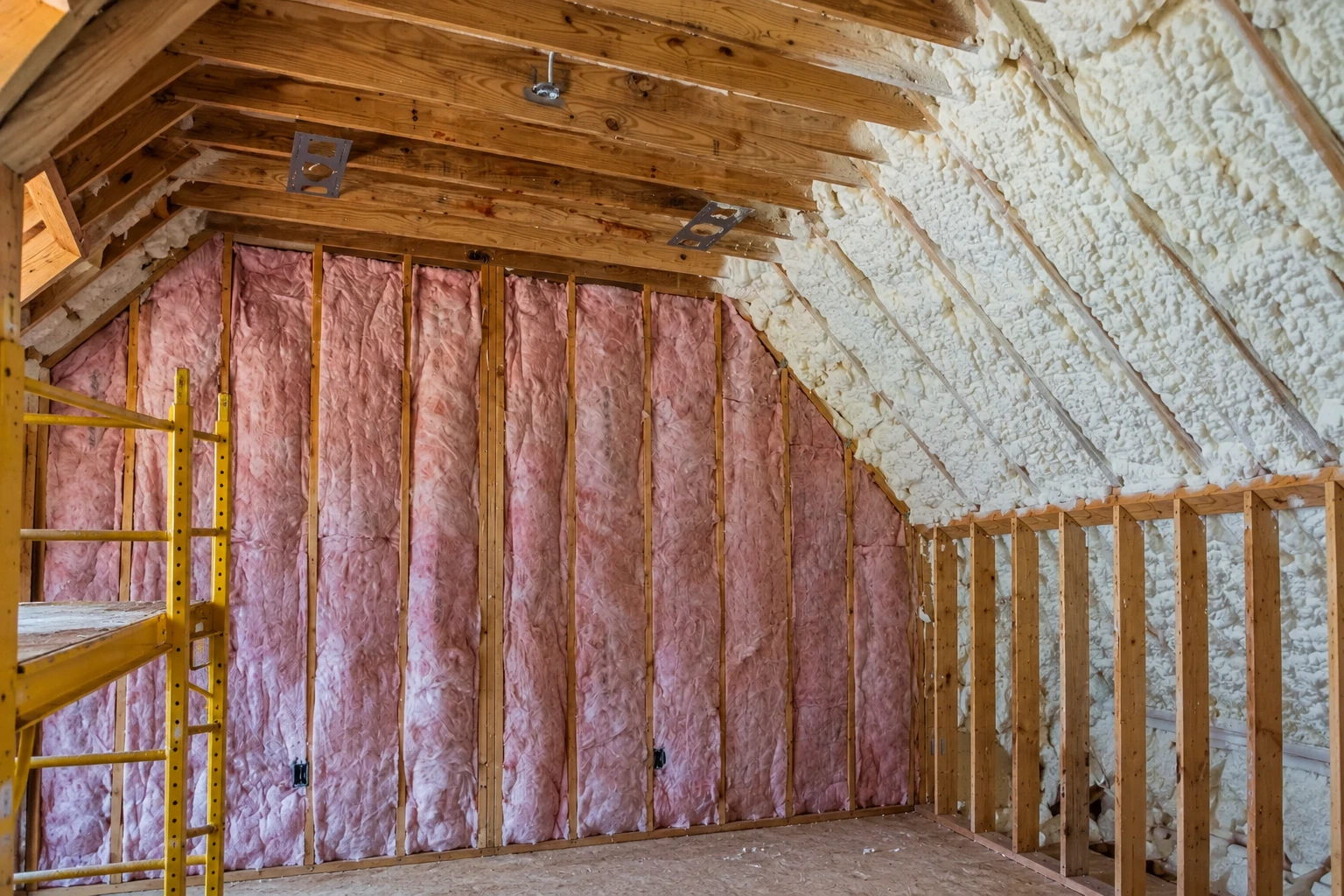
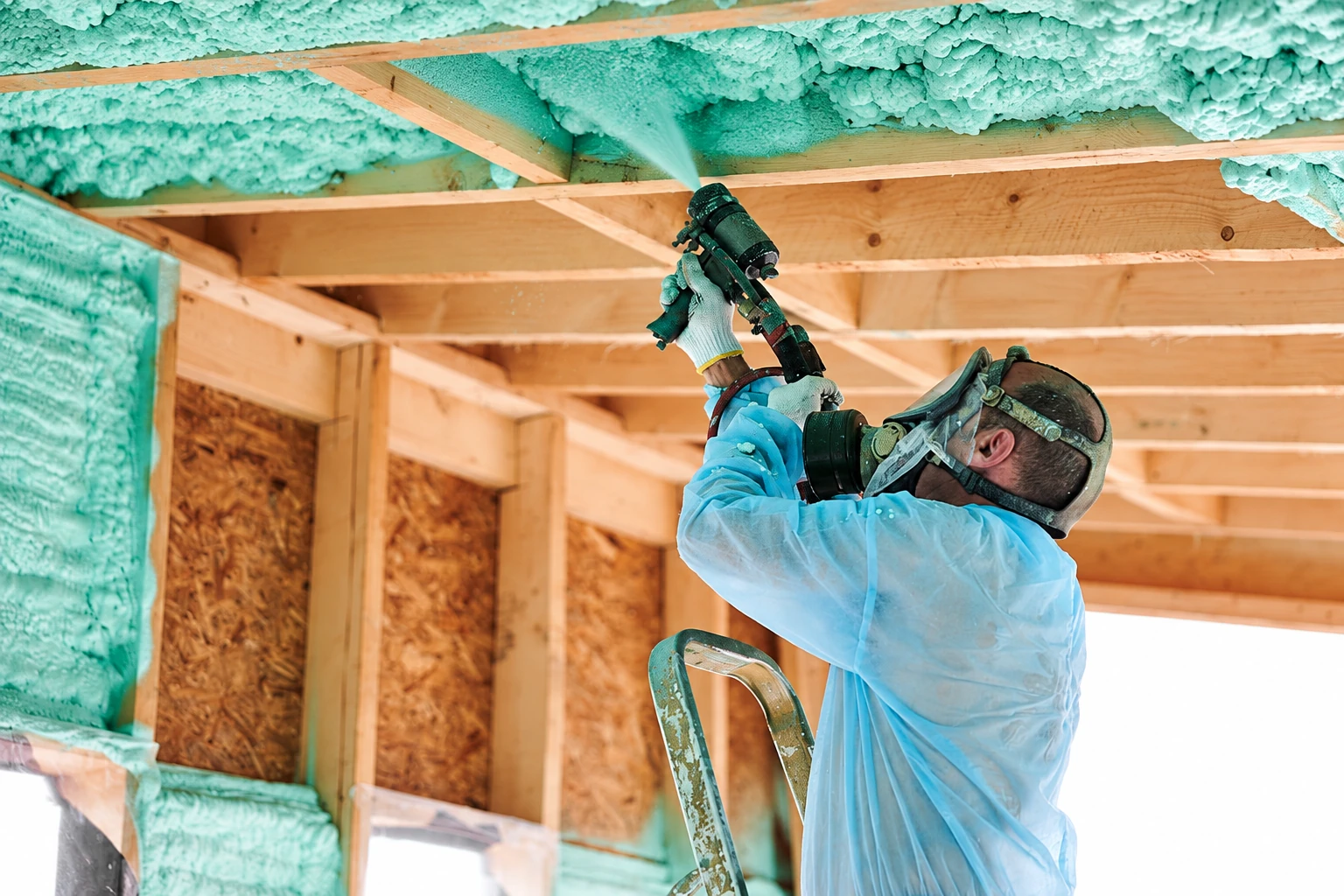
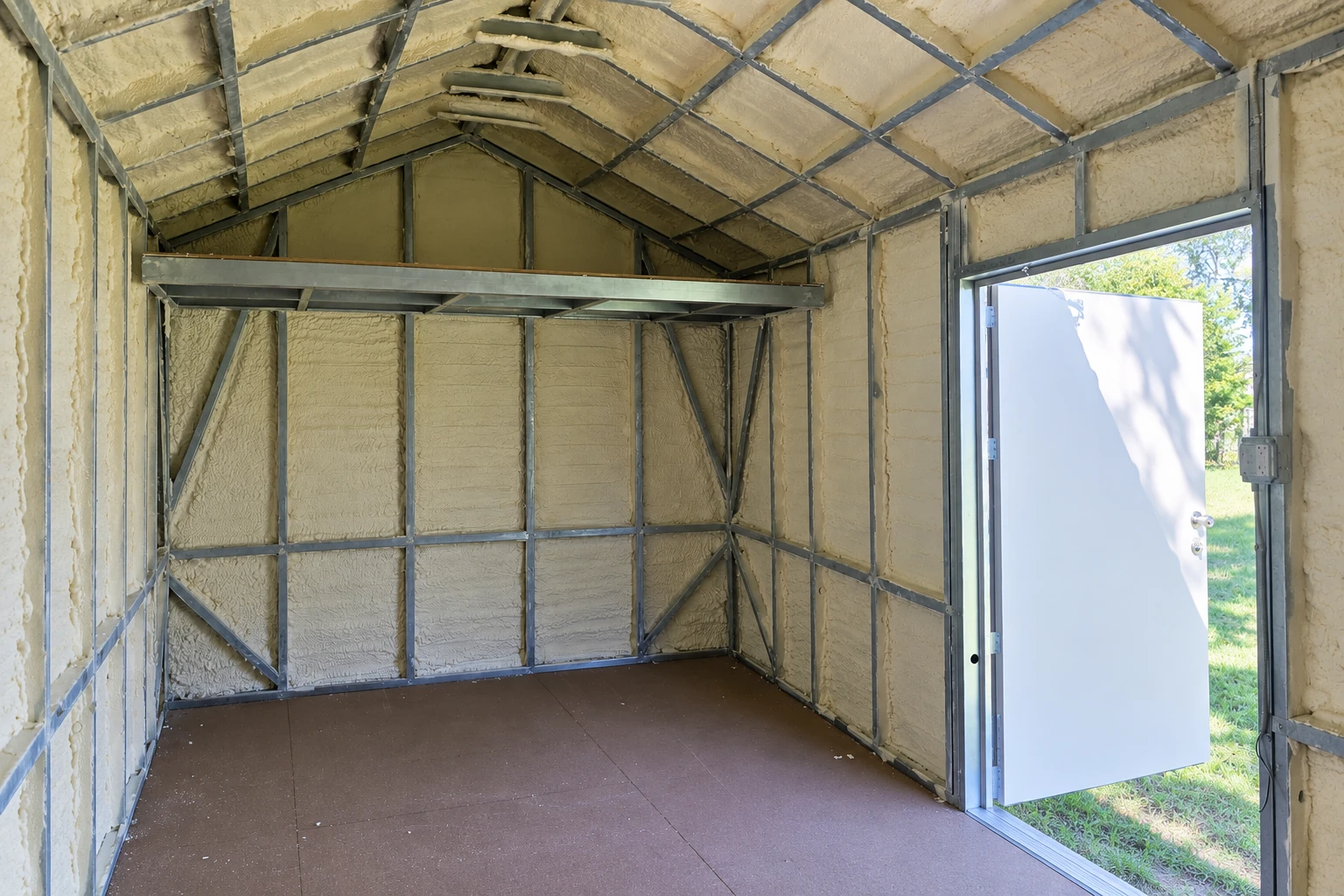
Foam costs more, and it seals air while it insulates. For most attics I'd rather seal the gaps and top up the blown-in insulation, loose fill blown through a hose, because that usually fixes a hot upstairs for less. Foam earns its price when the ductwork lives up there, since it pulls the ducts inside the sealed space. Under the house, closed-cell foam insulation, a dense foam that blocks moisture, is the one we'd look at for a crawl space. If you don't need much from us, I'll tell you that too.
Getting your house ready for the crew
Clear a path to the attic hatch or crawl space door and move anything stored around the opening, so the crew isn't dragging hoses over your things. Before new insulation goes in, we look for leaks, bad wiring and wet spots, because covering them just hides the trouble, and wiring problems go to an electrician before we go further. We keep the eave vents open so the attic can breathe, and we get full depth out to the edges, where attics usually come up thin. When the crew finishes, I check the work over myself before we call it done.