Comfort Summerville Insulation CompanyComfort Summerville Insulation Company

Insulation contractor in Charleston, SC - attics and crawl spaces done in the right order

Comfort Summerville Insulation Company insulates and air seals attics, walls and crawl spaces in Charleston, SC. We find the gaps, wet spots and blocked vents first, then add insulation for hot upstairs rooms, cold floors and high power bills.

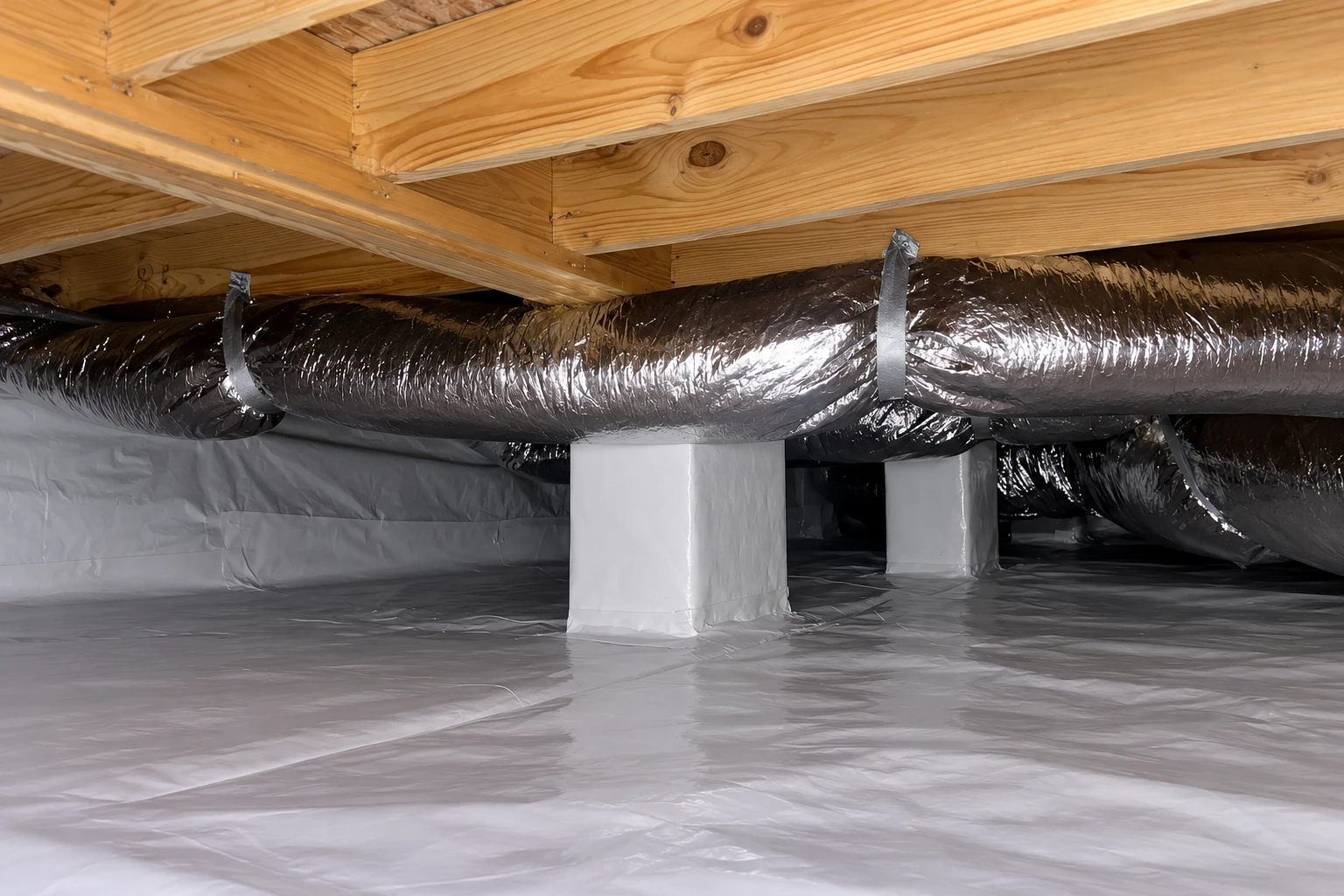
Crawl space with silver-wrapped ducts above a floor covered in white vapor barrier and wooden joists overhead.

What Charleston houses need from insulation

Charleston gives us a wider mix of houses than most places we work. Near the water we see older homes raised off the ground, with crawl spaces that stay damp and attics that got a thin layer decades ago, if they got any. Farther out it's newer neighborhoods, where the room over the garage runs hot all summer and the ductwork runs through the attic. It's the same work we do in Mount Pleasant and on James Island, with more old houses in the mix.

A lot of Charleston sits on low ground, so moisture shapes most jobs here. Before anything goes into an older house, I look for water, droppings and tired wiring, because insulation laid over any of those just hides the trouble.

What drives the price and the schedule

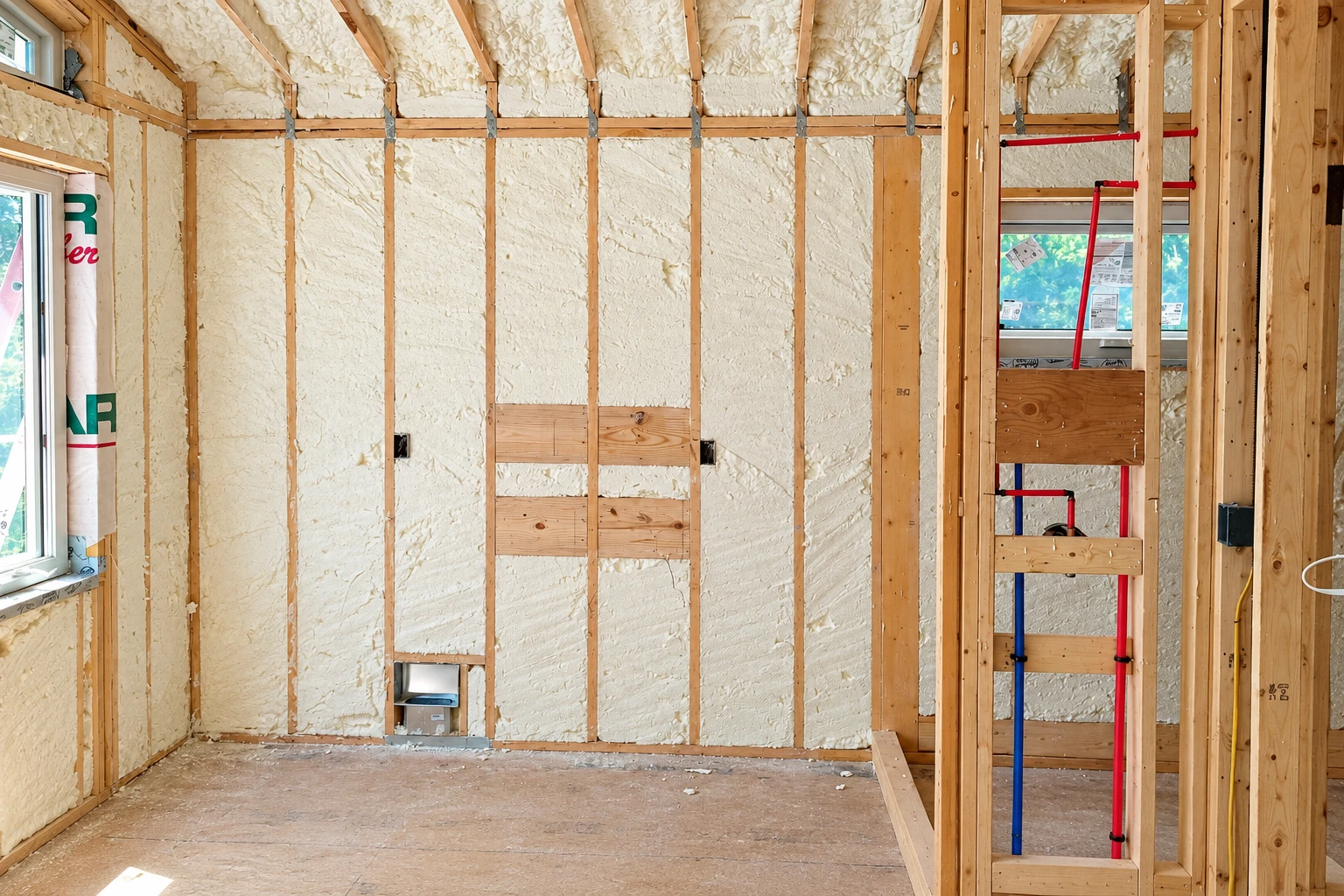
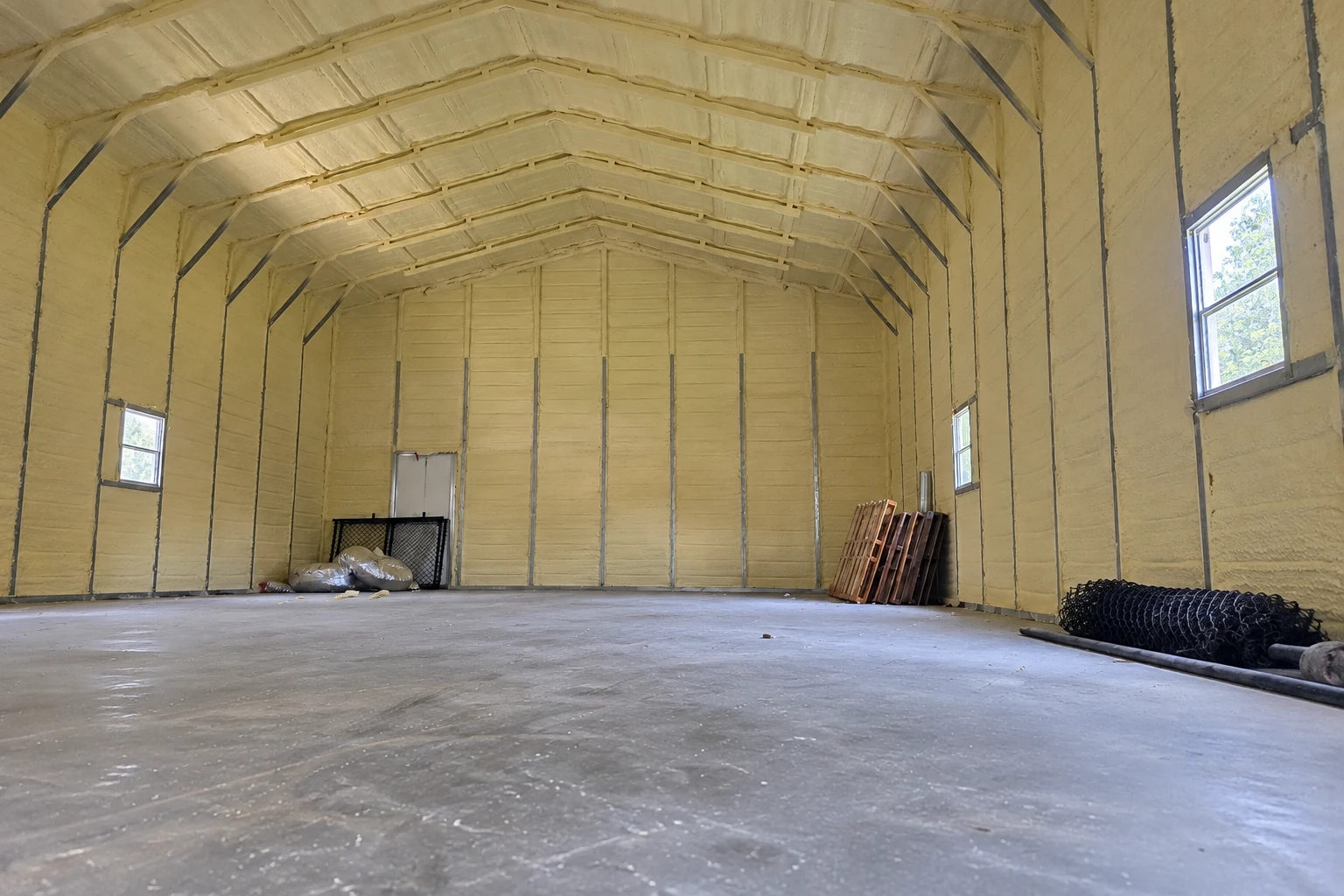
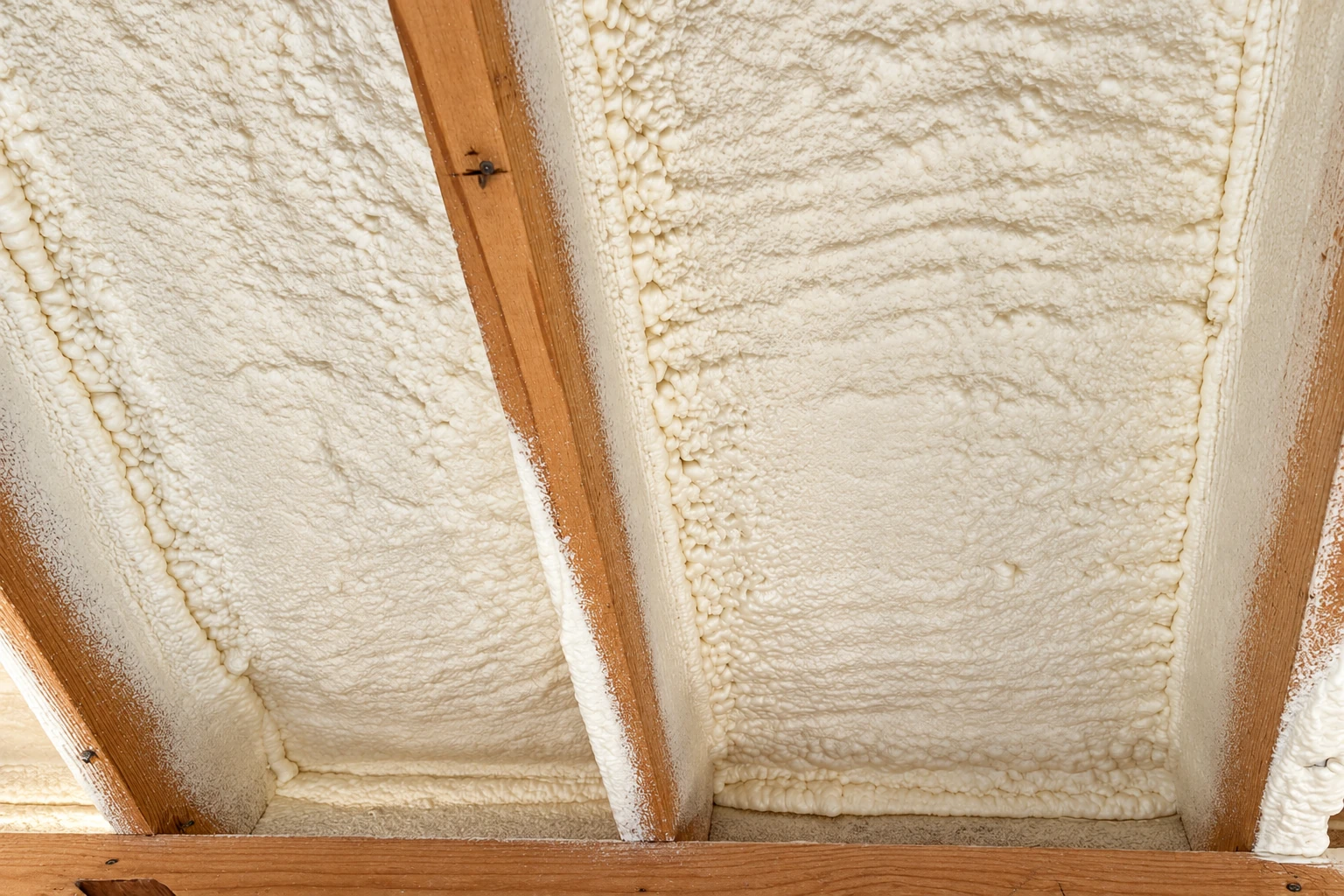
The price comes down to the size of the space, the inches already up there and how much prep comes first. Old insulation that's soaked or full of droppings comes out before anything new goes in, because fresh material over it keeps the problem. Gaps around can lights, pipes and the hatch get air sealing, closing them up so the new layer isn't fighting a draft. Foam costs more and seals air as it insulates, but in most attics I'd seal the gaps and top up with blown-in insulation, loose fill we blow in through a hose, unless your ductwork lives up there. The schedule turns on removal, access and any permit check, and at the estimate I'll put what I'd do first in writing.

Checking the crawl space for water first

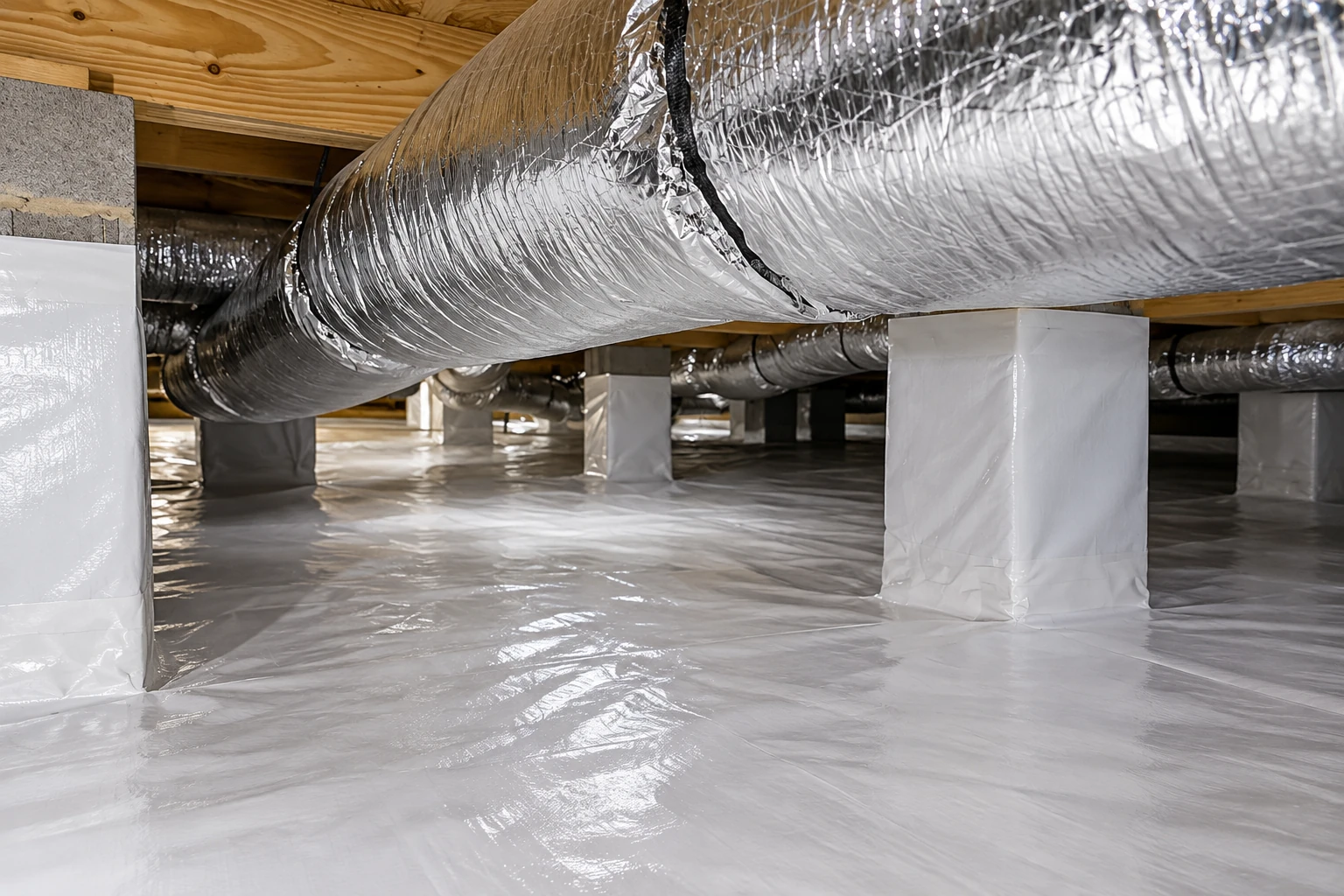
In a Charleston crawl space, the first thing I check is whether it stays wet. Standing water, damp soil or a dripping pipe soaks insulation from below, and then it sags, holds moisture against the floor framing and does nothing for cold floors. A plumbing leak belongs to a plumber, and I'll tell you so. Once the space is dry, we usually put a vapor barrier over the ground before adding crawl space insulation. Where moisture keeps coming back, closed-cell foam, the dense kind that also blocks moisture, is worth its higher price.

Getting the crew in and you back home

Most attic work happens through the hatch, so a clear path to it and room near the door for our hose makes the day go smoother. On a tight older street, tell me at the estimate where the truck can park. With blown-in work you can usually stay home. Spray foam is different. You, the kids and the pets stay out until the re-entry time the foam maker sets, which is when it's safe to come back inside, and I'll tell you that before we start. Our installers keep the eave vents clear so the attic can breathe and the edges as deep as the middle, and I check it over before we call the job done.

Get a free in-person insulation estimate for your Charleston home

We reply to calls and messages within one business day, and there's no obligation. I come out to your Charleston home myself, look at the space, tell you what I'd do first and put it in writing.

(843) 285-6022

Insulation questions from Charleston homeowners

How do I check if my house is inside Charleston city limits?

You can look up your address on the city's interactive map through the City of Charleston Permit Center. If it doesn't show up, the city points you to other maps, such as Charleston County's. It matters because your address decides which office handles a permit, and we sort that out before we start.

Do I need a permit to insulate my attic in Charleston?

The city's residential permit list doesn't settle that, because it names work like roofs, fences, decks and generators and doesn't mention insulation. Which office covers your job depends on your address, so we sort that out before we start and take care of any permit the job needs. Homeowners can also pull their own residential permits for a single-family house.

Does an insulation contractor need a Charleston business license?

Yes, the city requires contractors doing business inside city limits to hold a city business license, even when they're based somewhere else. The state licenses contractors separately, and on commercial jobs over $10,000 in the classifications it regulates, it calls for a general or mechanical contractor's license. We're licensed and fully insured.

What do flood zone letters like AE and X mean in Charleston?

AE and VE are high hazard flood zones inside the regulated flood area, while X and shaded X are low and moderate hazard zones outside it. An X isn't a dry pass, since the city says about a quarter of flood insurance claims come from low-to-moderate risk areas. That's why we check the crawl space for water before insulating.

Other cities we work in

If your house is outside Charleston, check the city links below, and if yours isn't listed, call and ask.