
Moncks Corner is part of our regular run from our home base in Summerville, and the calls sound a lot like the ones we get in Goose Creek and Hanahan: an upstairs that's hot by afternoon, a room over the garage nobody wants to sleep in, cold floors over the crawl space and a power bill that keeps creeping up. We also hear from a lot of people who just bought an older house and want to know what's really up in the attic.
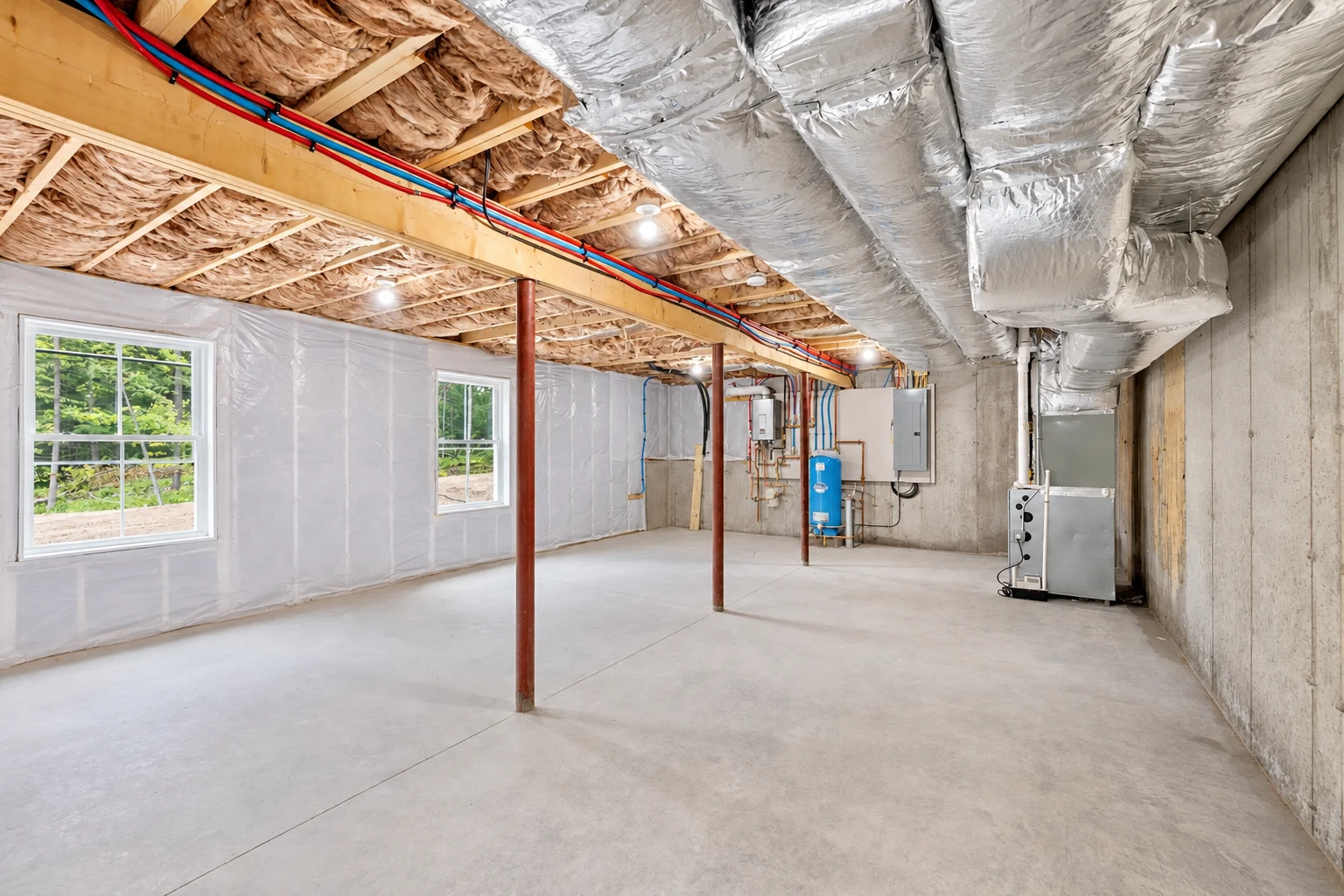
The houses here run from older homes sitting on crawl spaces to newer ones with blown-in attics. In the older ones we usually find thin, tired insulation and open gaps underneath, and in the newer ones the attic is often piled deep in the middle and thin out at the eaves, which is backward.
What moves the price and the schedule
Price comes down to how much space we're covering, how many inches are already up there, and whether old insulation has to come out before anything new goes in. Insulation that got soaked or filled with droppings has to go, because laying fresh material over it just keeps the problem. A tight attic or a low crawl space takes more time, and so does an older house with more to fix before we insulate. The schedule turns mostly on removal and on whether foam is in the plan, since foam means time out of the house. Your own figure comes from the estimate, after I've seen the space.
Sealing the gaps before adding more
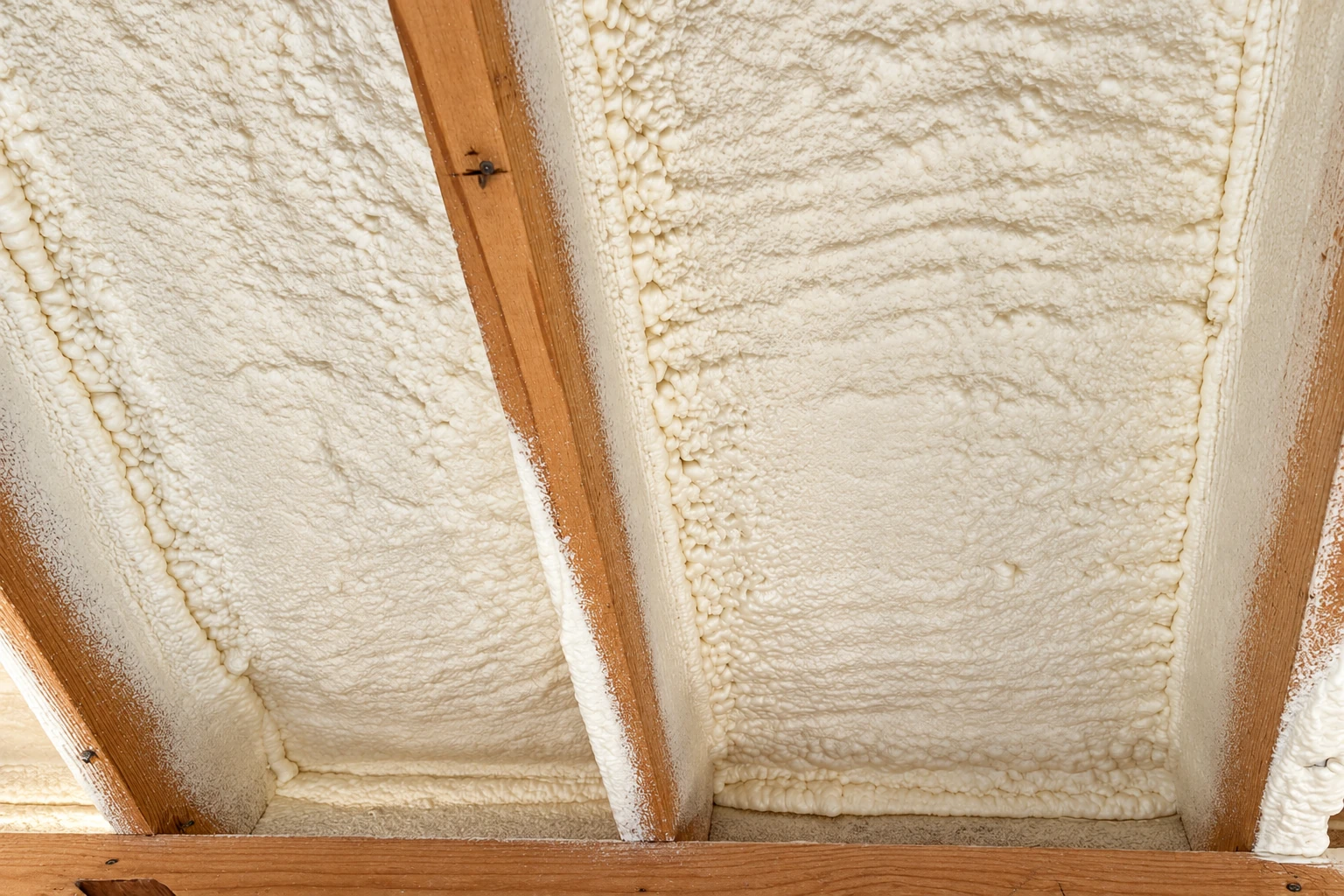
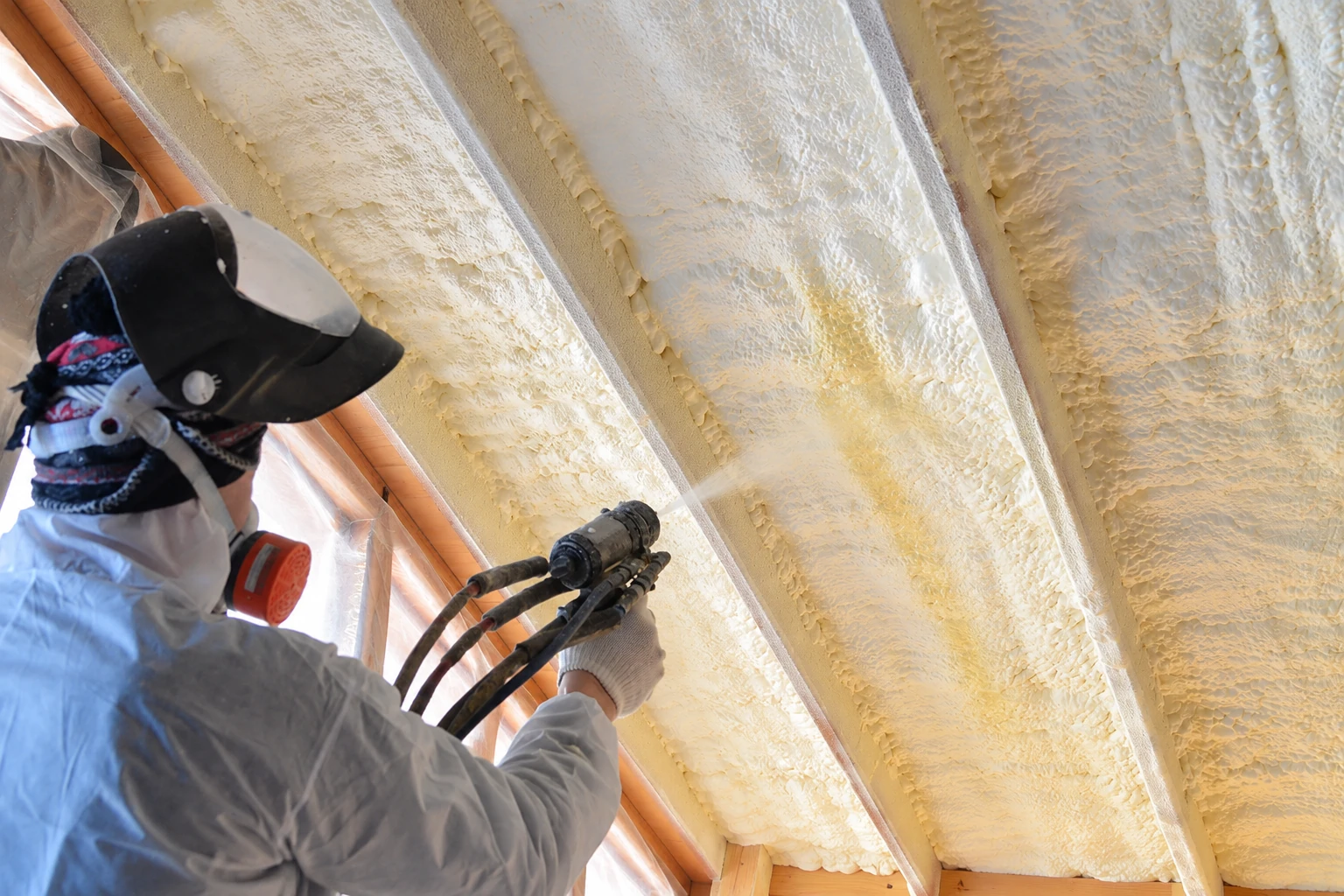
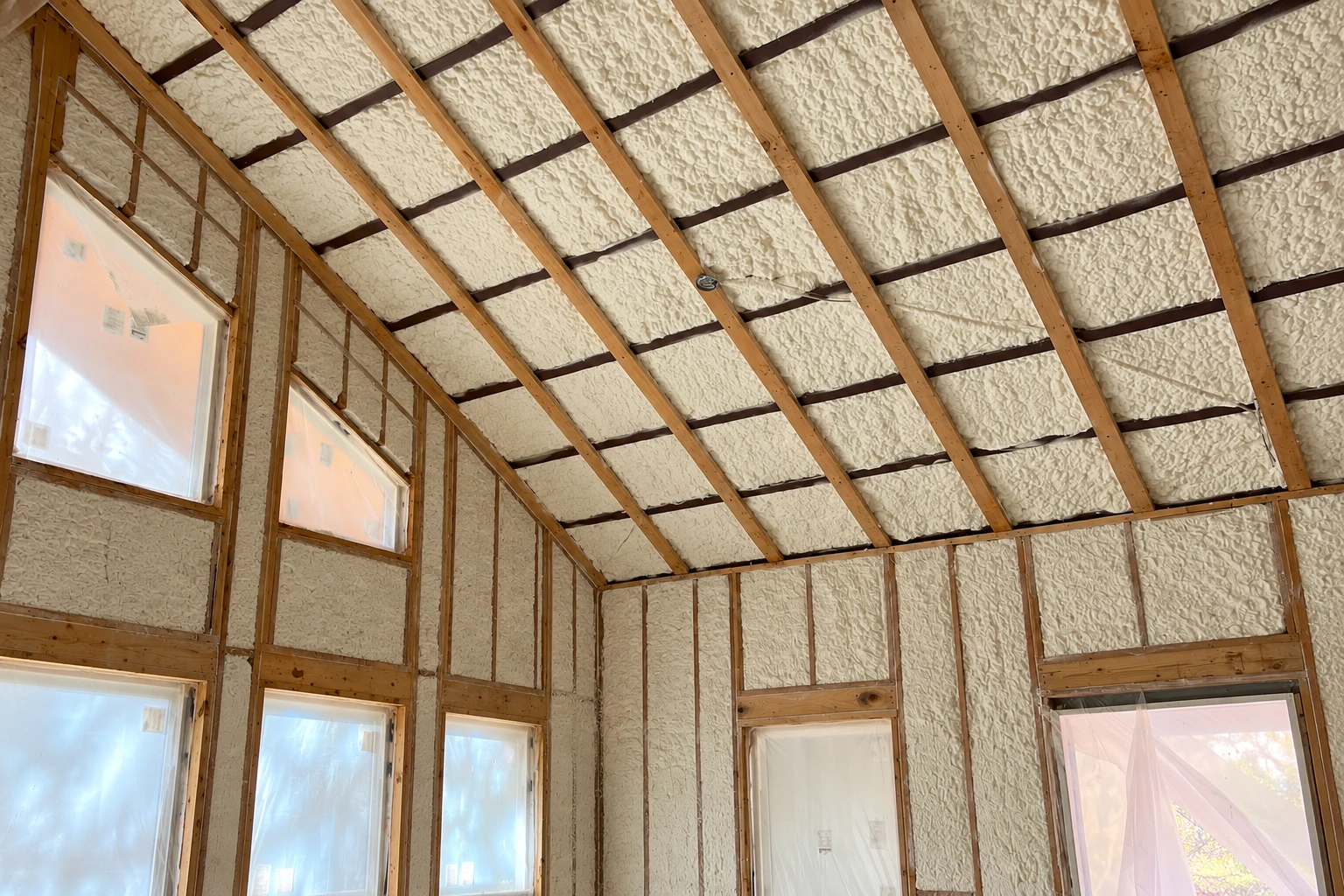
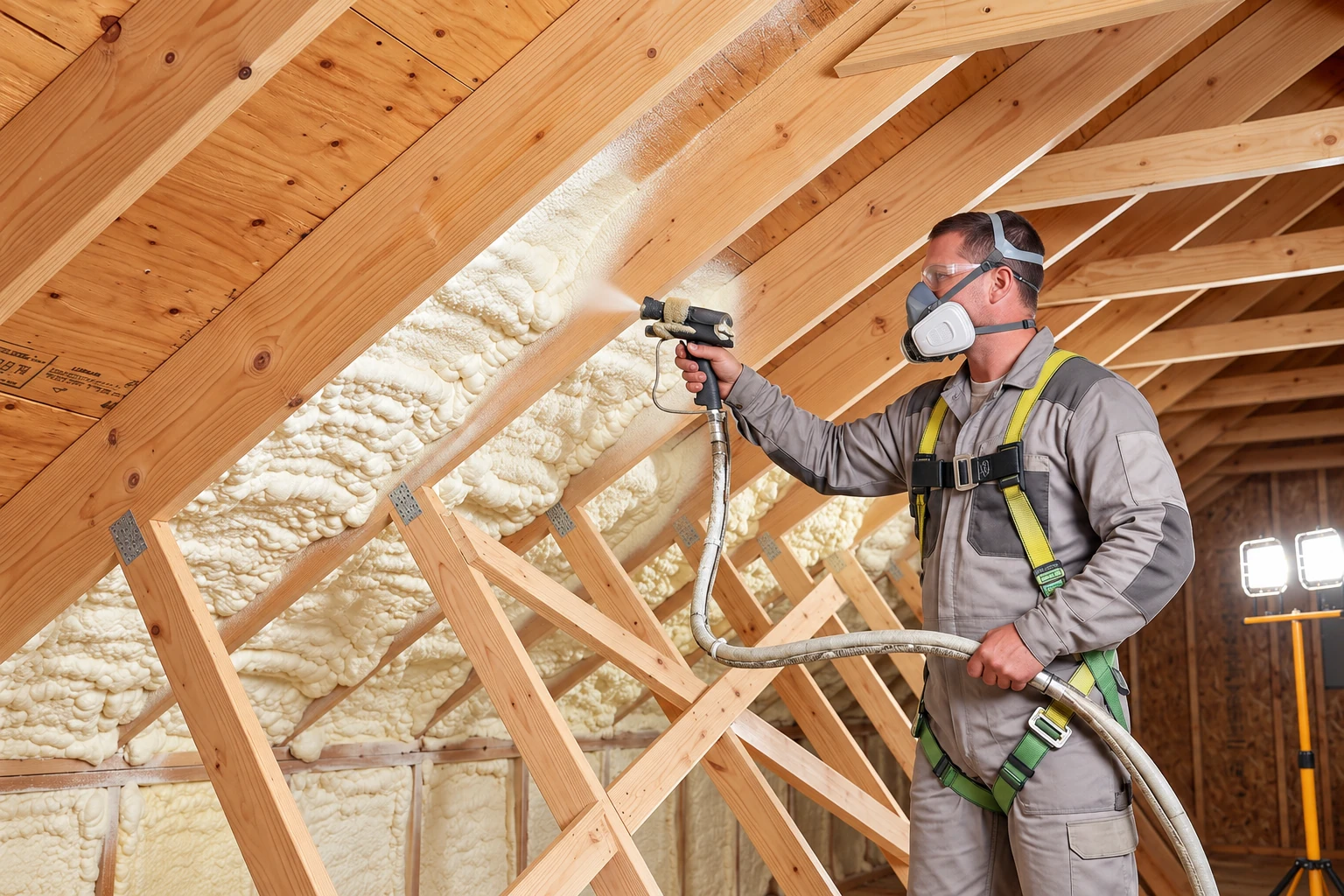
Most attics we open need air sealing, closing the gaps around can lights, pipes and the attic hatch, before they need more insulation. Skip that step and the new layer just sits in a draft. We keep the eave vents clear too, because buried vents stop the attic from breathing and moisture starts showing up in the framing. Foam seals and insulates in one pass, but it costs more, so for most houses I'd seal the gaps and top up with blown-in, loose fill blown through a hose. The exception is ductwork running through the attic, where foam usually earns its price.
Getting your house ready for our crew
Clear a path to the attic hatch or pull-down stairs before we arrive, whether it's in a hallway closet or the garage, and move anything stored right below it. If the crawl space is part of the job, we need its access door open and free of boxes and yard gear. Kids and pets should stay clear of the work area while we're there, because hoses and loose fill don't mix with curious hands. Our installers do the work, and I check it over before we call the job done.