
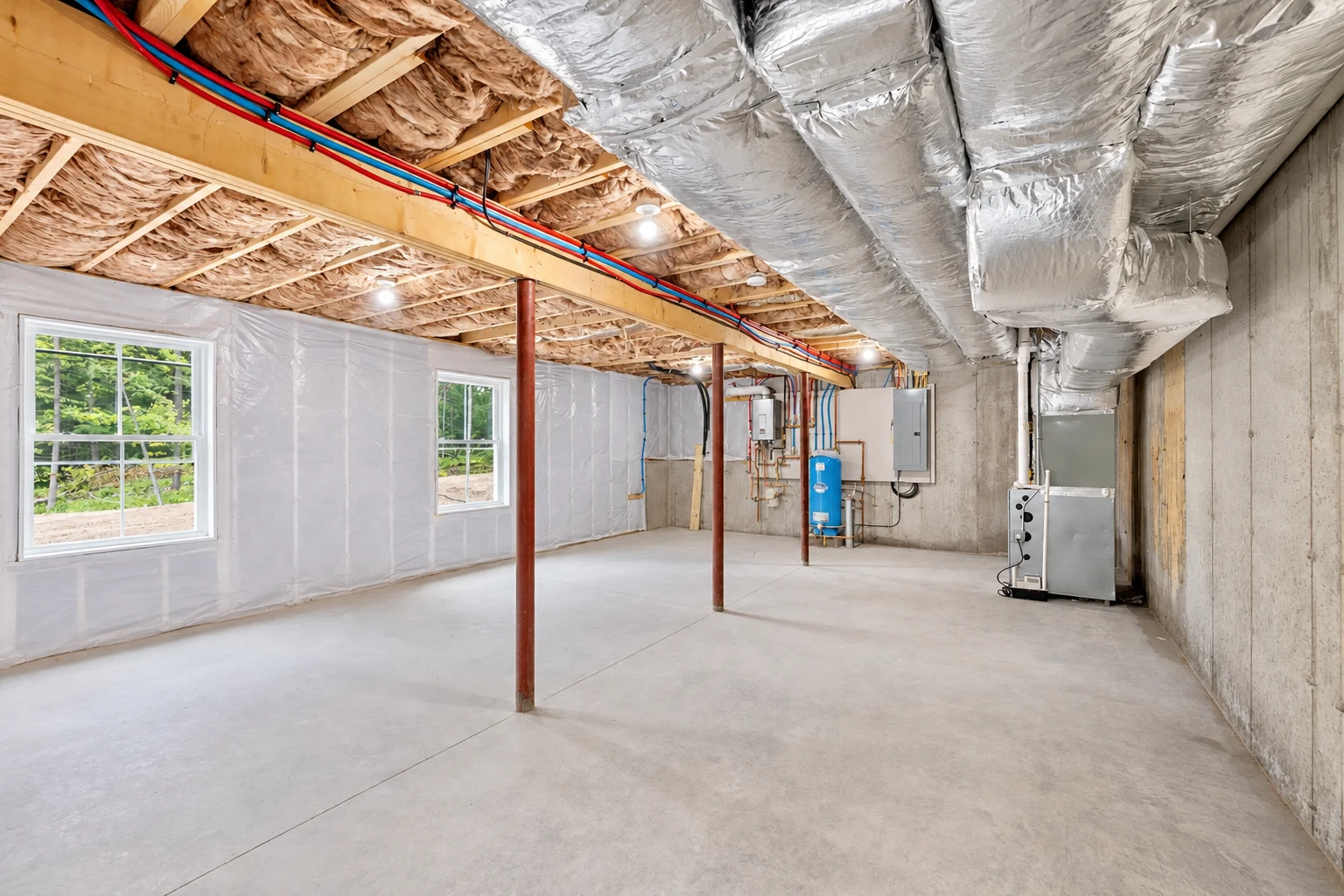
We're an insulation contractor based in Summerville, SC, and our crew works across the area, from Moncks Corner inland to Charleston and Mount Pleasant on the harbor side. Houses in Mount Pleasant run from the older homes of the Old Village to newer neighborhoods, and they bring different problems. In the older ones we usually find thin, settled insulation and walls with little or nothing in them. In the newer ones it's more often unsealed gaps around can lights and the attic hatch, or a room over the garage that never cools down.
The ground matters as much as the house. The Town of Mount Pleasant names two kinds of flooding here, local flooding when drainage is blocked or can't keep up, and storm surge from tropical storms and hurricanes. Either one can leave a crawl space wet, so I look under the house before we price anything, because insulation laid over a wet spot just hides the trouble.
What moves the price and the schedule
Price comes down mostly to what's already in your attic or crawl space and what has to happen before anything new goes in. Old insulation that's soaked or full of droppings comes out first, because new material over it keeps the problem, and that adds work. How many inches are up there now, how big and how easy to reach the space is, how many gaps need sealing and whether you choose foam or loose fill all move the number too. The schedule turns on removal, any wait before you can go back inside after foam, and settling the permit question. I'll give you your own figure in writing at the estimate.
Getting your house ready for our crew
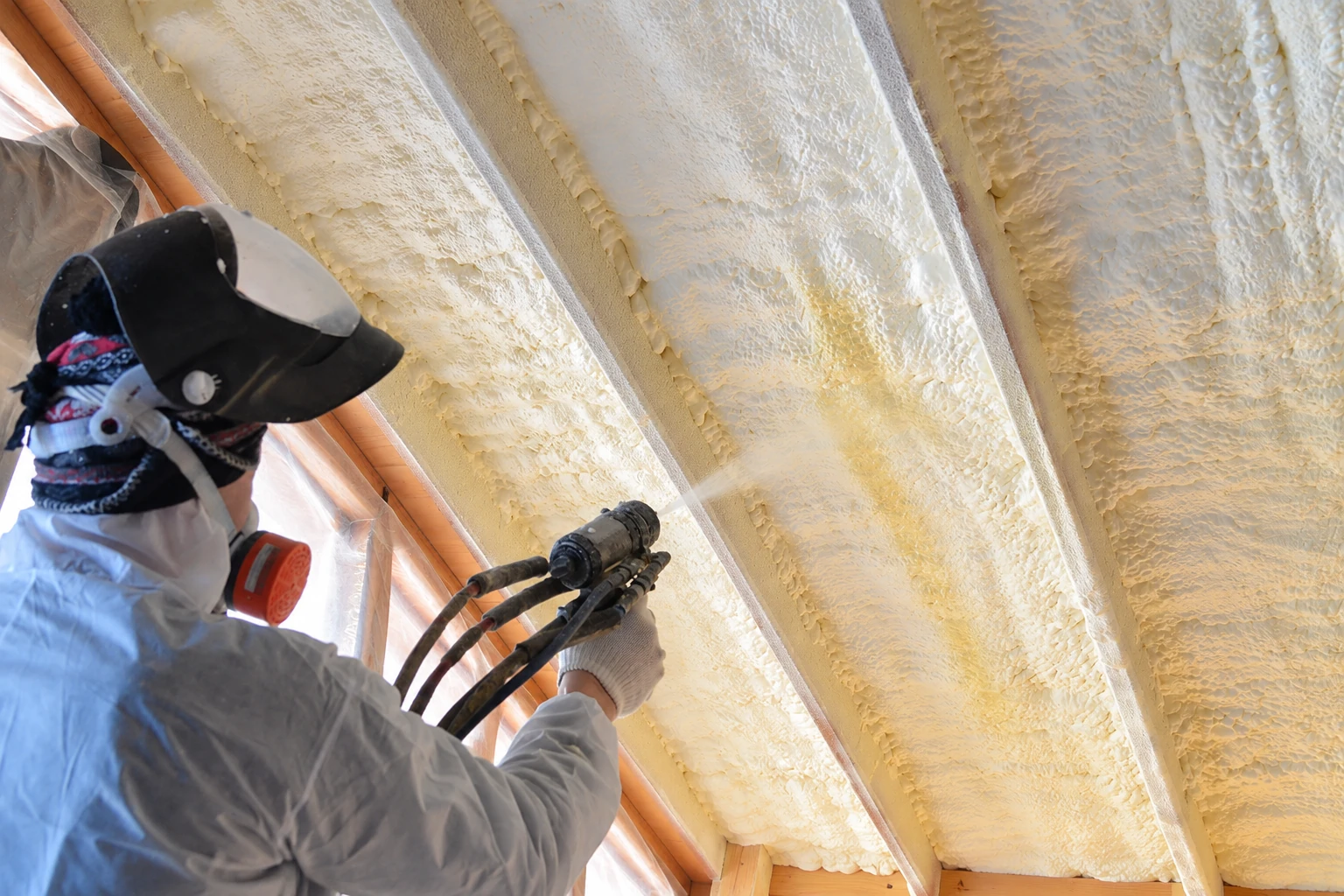
We need a clear path to the attic hatch or pull-down stairs, so move whatever is stored under it, plus anything sitting on the attic floor that you want to keep. If you have a crawl space, make sure we can reach its access door. Pulling old material and blowing in new stirs up dust, so we cover the floors along the way we walk and keep the mess in the attic or under the house. Keep kids and pets away from the hatch while we work, and read the spray foam question below if foam is part of the plan.
Sealing first, then foam or loose fill
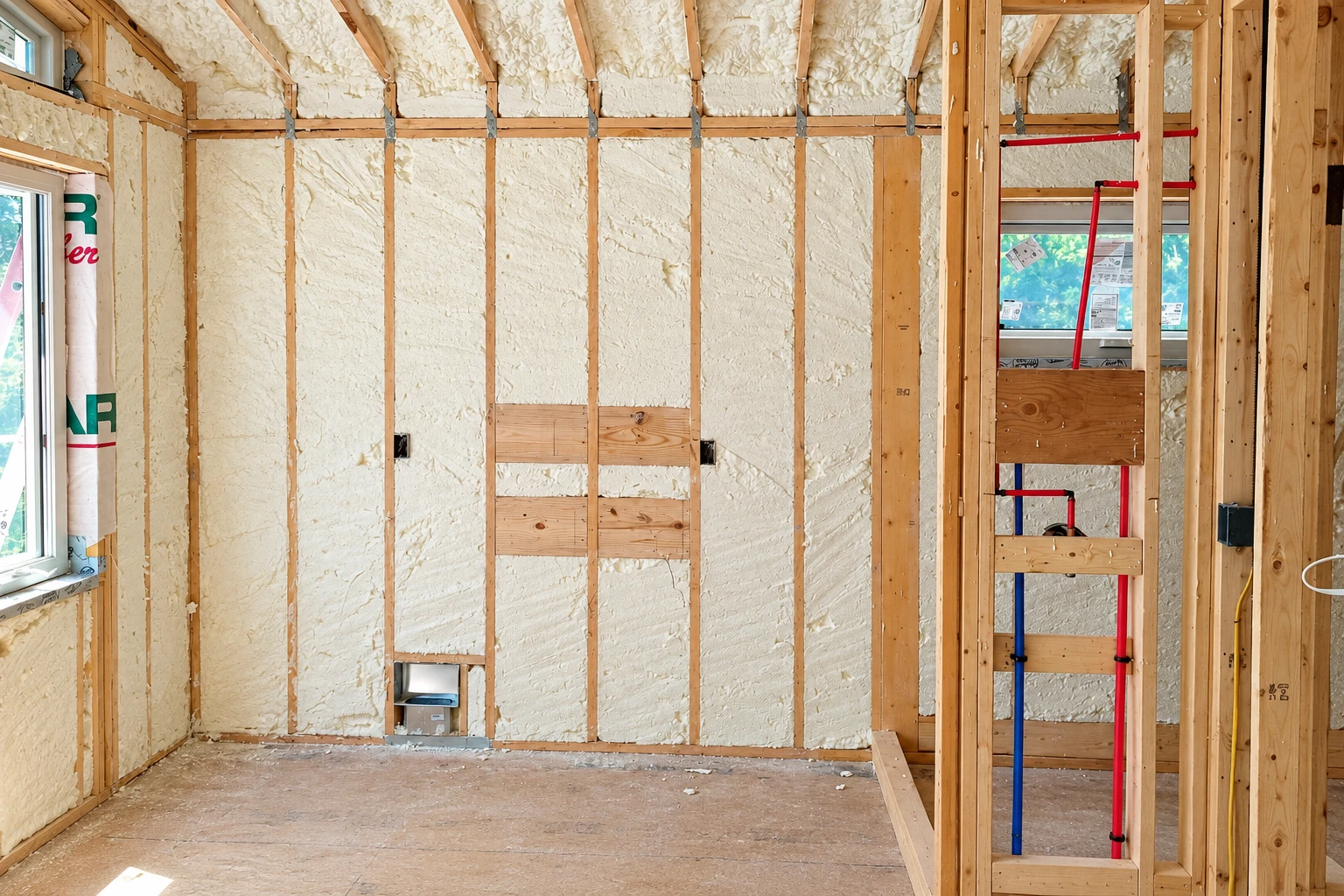
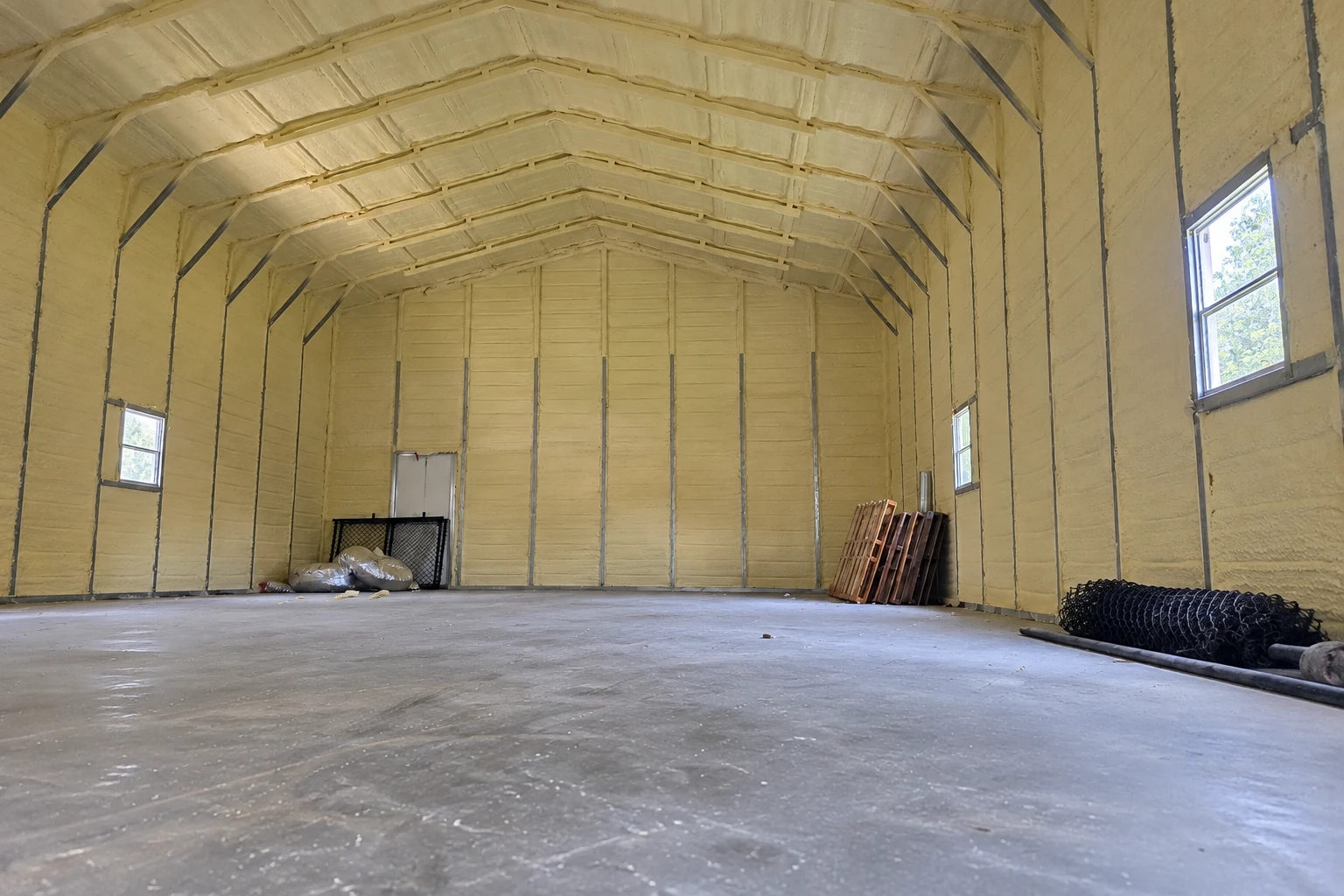
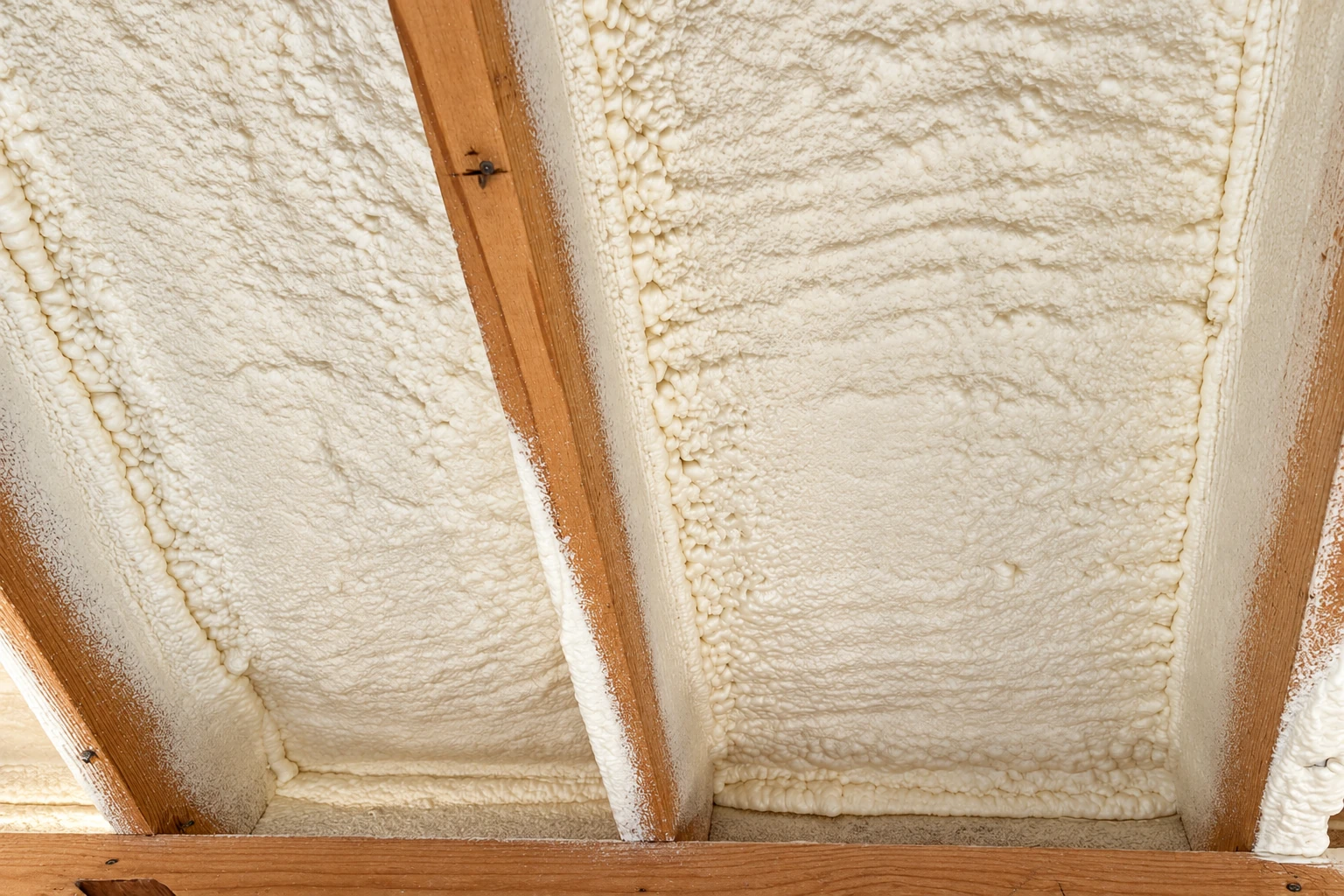
Air sealing, closing the gaps around can lights, pipes and the attic hatch, comes before any insulation, because insulation over a draft just fights it. Then we spread the new layer evenly out to the edges, where it's often thinnest, and keep the eave vents clear so the attic still breathes. Foam costs more and seals air while it insulates, but for most attics I'd seal the gaps and top up with blown-in loose fill, sent up through a hose. Foam earns its price when your ductwork runs up there. In older houses with hollow walls, ask about wall insulation, and read the historic district question below first.