
Commercial insulation in Summerville SC - a building that stays dry and comfortable
Space that won't hold temperature, a climbing power bill or damp walls? We seal the leaks first, then insulate with materials that handle humid air.
I do every estimate visit myself
The person who walks your building and writes the plan is me, so you're not passed from a sales rep to someone else. When you have a question while the job runs, you call the same person who priced it.
Licensed and fully insured, every job
We're licensed and fully insured, and that coverage goes with our crew onto every building we work in. If a property manager or landlord needs proof of coverage before we start, ask for it at the estimate.
Straight answers since 2020
We've been insulating buildings since 2020, and I'd rather give you a quick, straight answer than a long pitch, even when the answer is that you need little from us. Call (843) 285-6022 to set up a visit.
Commercial insulation that starts with the leaks
Commercial insulation in Summerville raises a building's R-value, how well its walls and roof slow heat. It helps owners and property managers whose spaces won't hold temperature, whose power bills keep climbing, or who already have walls, cladding or a roof opened up for other work.
Most commercial calls start with a space that won't hold temperature, a power bill that keeps going up, or a remodel or reroof that has the building open anyway. Before we talk about any product, I look for where air gets in and where moisture could get stuck, because those two things decide what the building needs. If part of the problem belongs to another trade, like a roof leak, I'll tell you so.
Price moves with the building's size and type, whether walls and roof are open, how much sealing comes first and which materials fit. The schedule turns on permit review, your business hours and any planned roof or cladding work. We work across Dorchester, Charleston and Berkeley counties, and Summerville's rules only cover buildings inside city limits, so we confirm the right office from your address and handle any permit with it. The estimate puts your plan in writing.
How we handle commercial insulation
Air leaks get sealed first
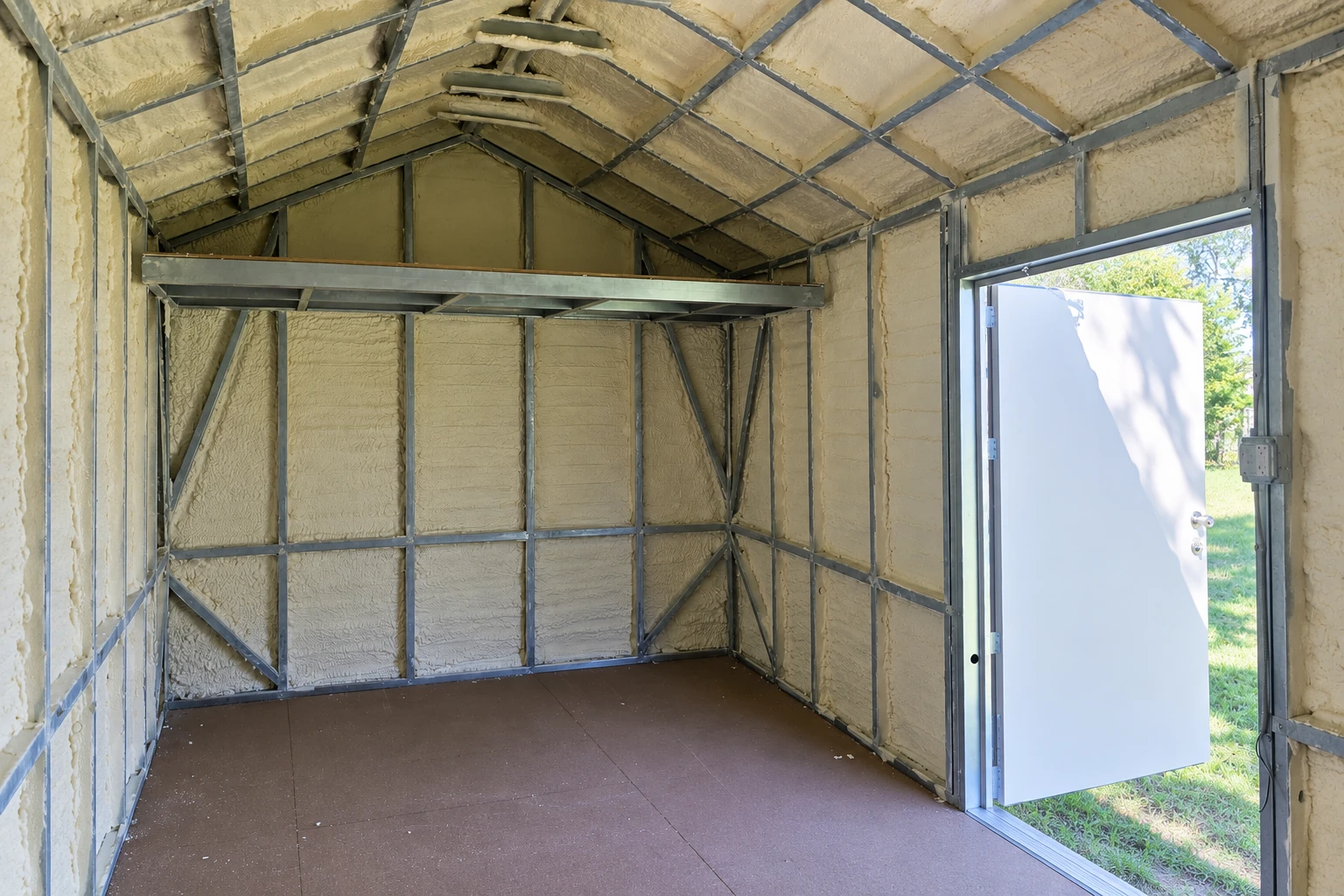
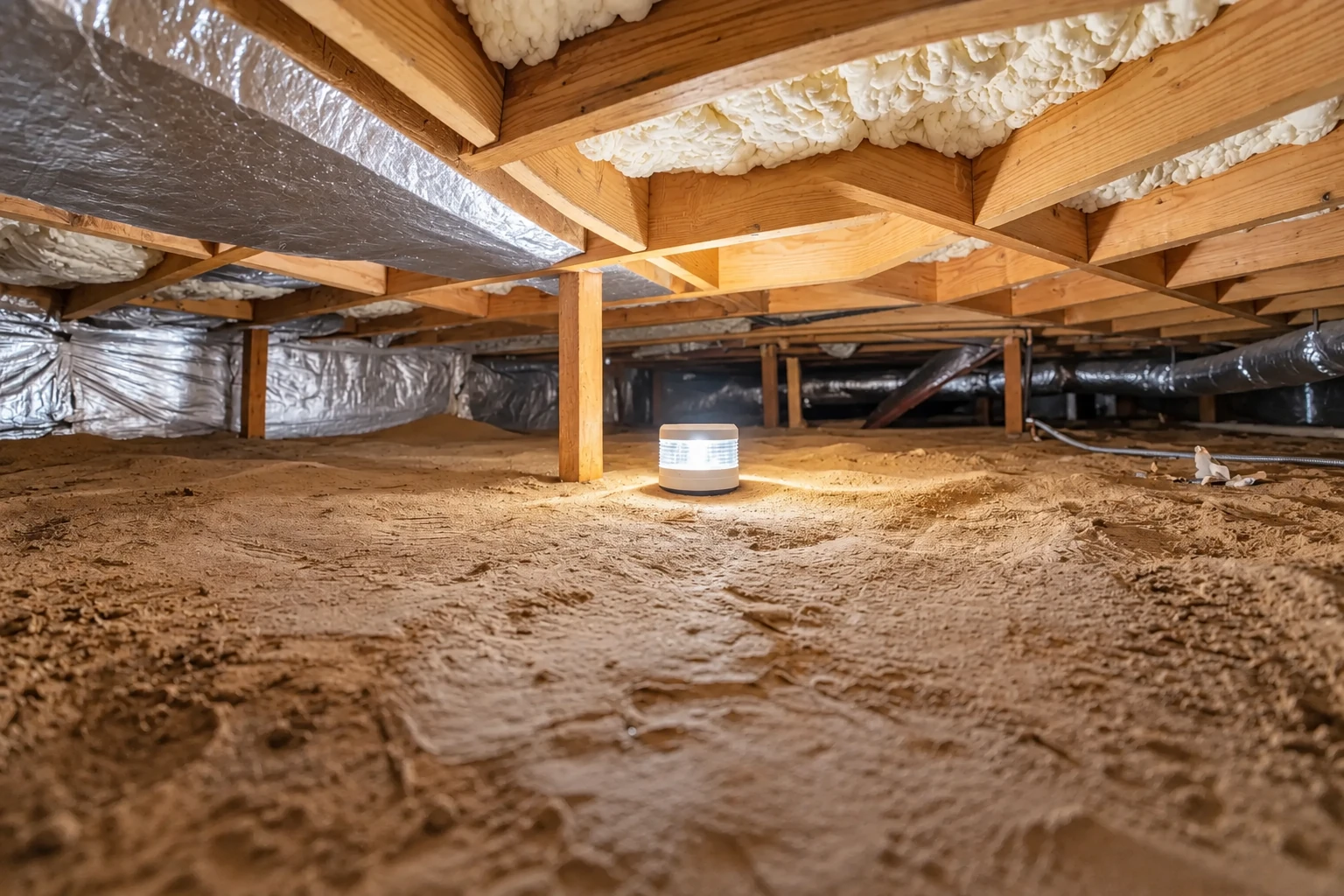
I start with where the air leaks are, around roof edges, wall penetrations, doors and the gaps other trades leave around pipe and wire. Moving air carries far more moisture into a wall than a wrong vapor layer usually does, so air sealing, closing those gaps before any insulation goes in, handles the bigger problem first. Spray foam seals and insulates in one pass but costs more. Sealing by hand and then insulating usually wins, unless ductwork runs through the space, where foam earns its price.
Vapor layers that suit humid air
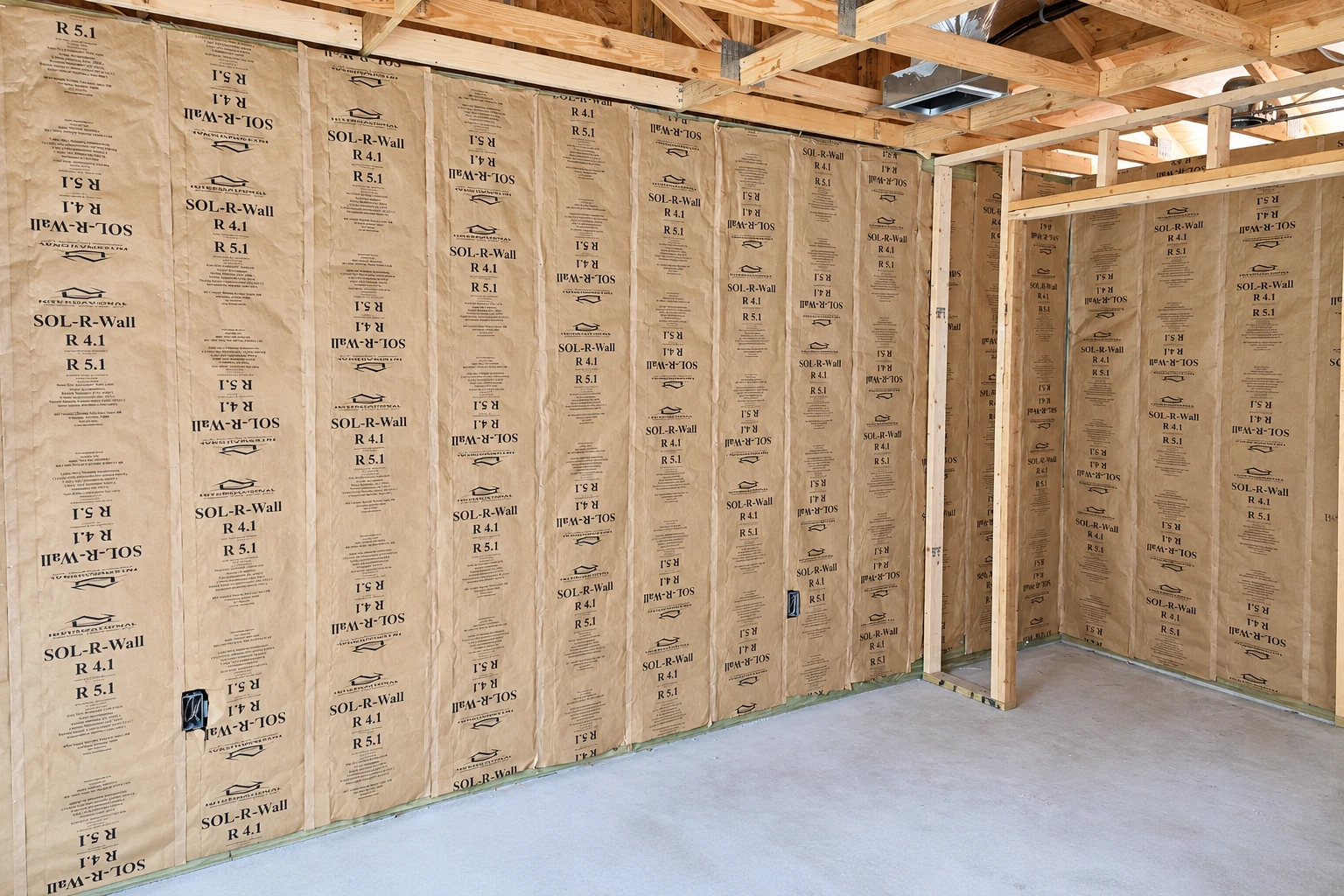
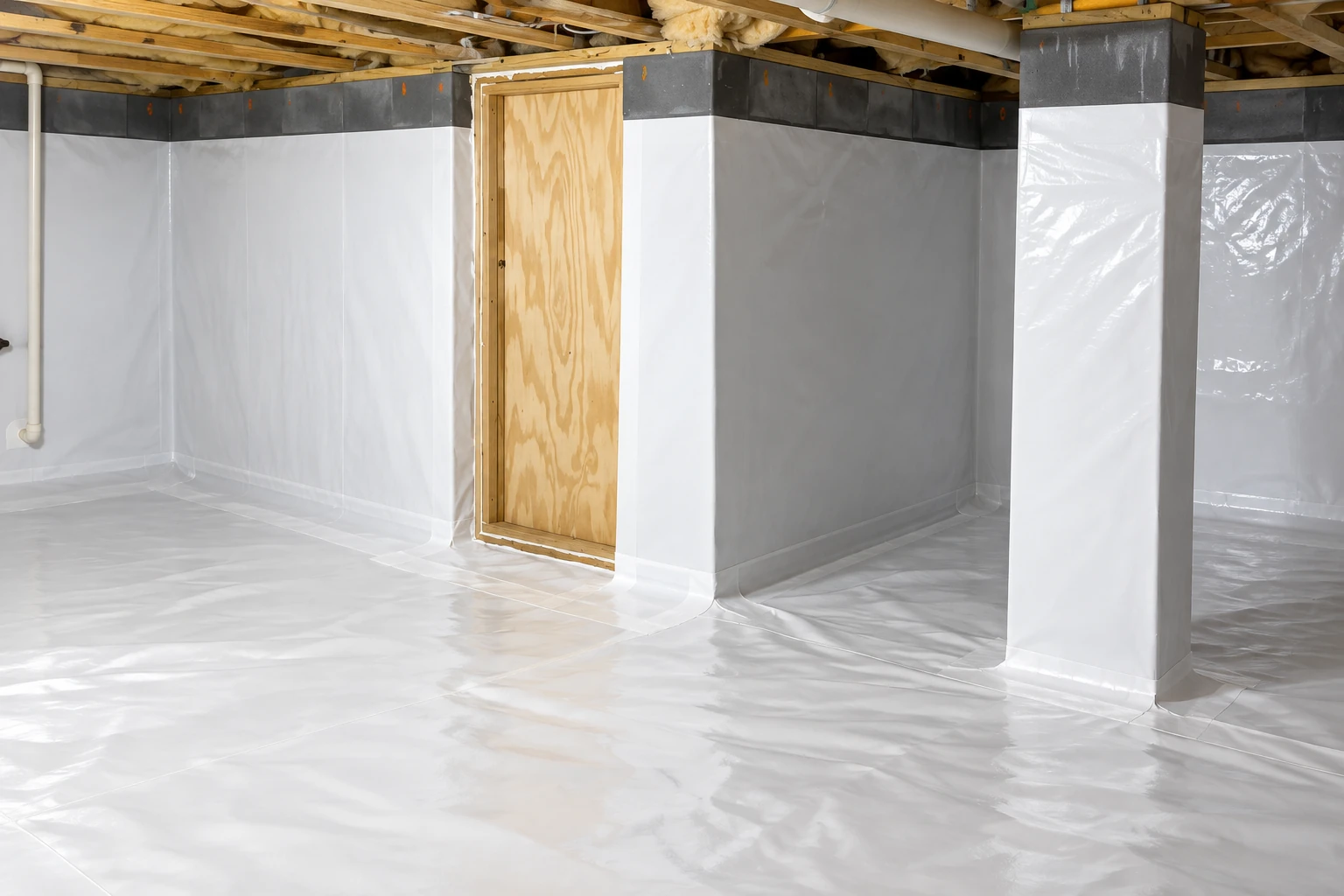
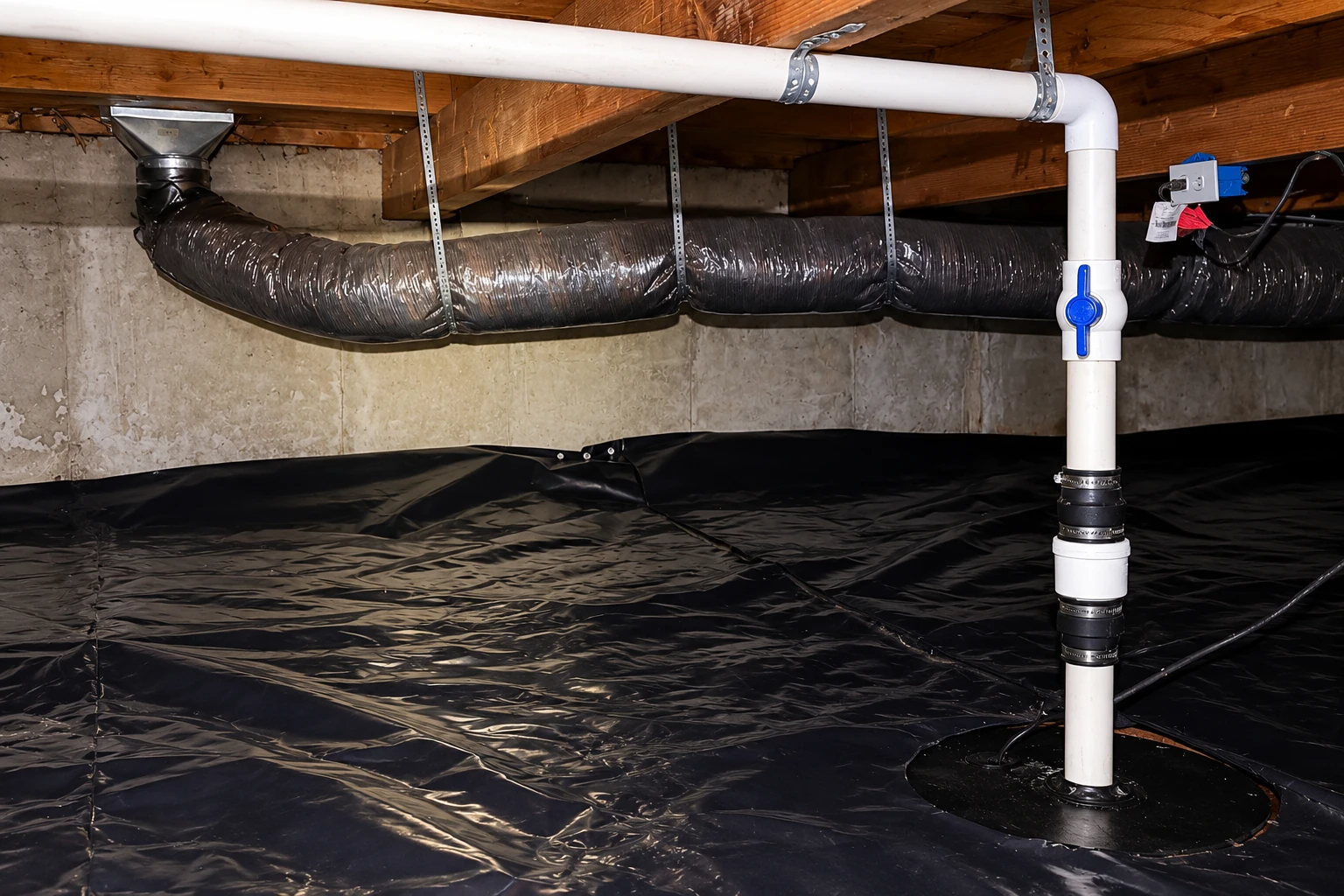
In hot, humid climates like ours, a tight vapor barrier on the inside of the framing can trap moisture coming in from outside and wear the wall out early, and reflective foil insulation and vinyl wall coverings can do the same. So we check how each material handles moisture before it goes in. Building science guidance puts a vapor retarder nearest the warm side, which here faces outside, and keeps it continuous so moist air can't slip through and dampen the insulation. That's the thinking behind our vapor barrier installation and crawl space vapor barrier work.
Metal buildings and early planning
Metal shops and warehouses often get faced fiber glass made for metal buildings. NIA, an insulation trade group, certifies products that still meet their full stated R-value after the facing is laminated on, so it's fair to ask whether a quoted product carries that certification. On any building, we work out the paperwork and the schedule with you early, so the insulation fits around tenants, other trades and the building's plans instead of holding them up.
Get a written insulation plan for your building
We reply within one business day, and I come out for a free estimate at the building with no obligation. Have the building type, address and any planned roof or cladding work handy so I can tell you what I'd do first.
(843) 285-6022What happens after you call us
Call and I walk the building
Call (843) 285-6022 or send the form, and I come out myself to look at the walls, roof and any crawl space. I check for leaks, wet spots or wiring that has to be fixed before insulation goes in.
Written plan, permit and review
You get my plan in writing, in the order I'd do it. If the job needs a permit, we handle it with the right office, and inside Summerville the city says commercial plan review takes three weeks in most cases, so build that into your schedule.
Installers work, then I check
Our installers do the work within the hours the city sets for construction, and we plan the days around your tenants and business hours. Before we call the job done, I look the work over myself.
Commercial insulation questions in Summerville
What licenses does an insulation contractor need in Summerville SC?
A contractor needs a South Carolina license for the scope of work they do and a Town of Summerville business license, and so does every subcontractor on the job. Ask each bidder about both before you sign, because the rule covers the whole crew, not only the company on the contract.
Do I need a permit to insulate a commercial building in Summerville?
Ask the city before work starts, because its permit list doesn't settle it either way. The Summerville Building Department requires permits for new buildings, renovations and repairs to building structures and systems, and its list names roofing work but not insulation. We check this for your address while we plan the job.
What paperwork does a Summerville commercial permit need for insulation work?
The city's commercial permit application calls for COM checks, the energy compliance reports, when the building envelope is being altered or new electrical or mechanical systems are going in. The envelope is the walls, roof and floors that separate inside from outside, and insulation is part of it. We line up that paperwork with you early so it's ready when review starts.
When is exterior insulation worth the cost on a commercial building?
Usually when badly worn cladding has to be replaced anyway, or when you want a big gain in R-value from the walls. Adding insulation to the outside of an existing building is a costly route, so it makes the most sense riding along with a reclad. If cladding or roof work is already on your plans, tell me at the estimate.