
Ladson sits where Berkeley, Charleston and Dorchester counties meet, with Summerville to the southwest, North Charleston to the south, Goose Creek to the east and Sangaree to the northwest. We're based in Summerville, so Ladson is close to home, and the calls we get here are the ones we hear all around it: a hot upstairs, a drafty room over the garage, cold floors over a crawl space and a power bill that keeps climbing.
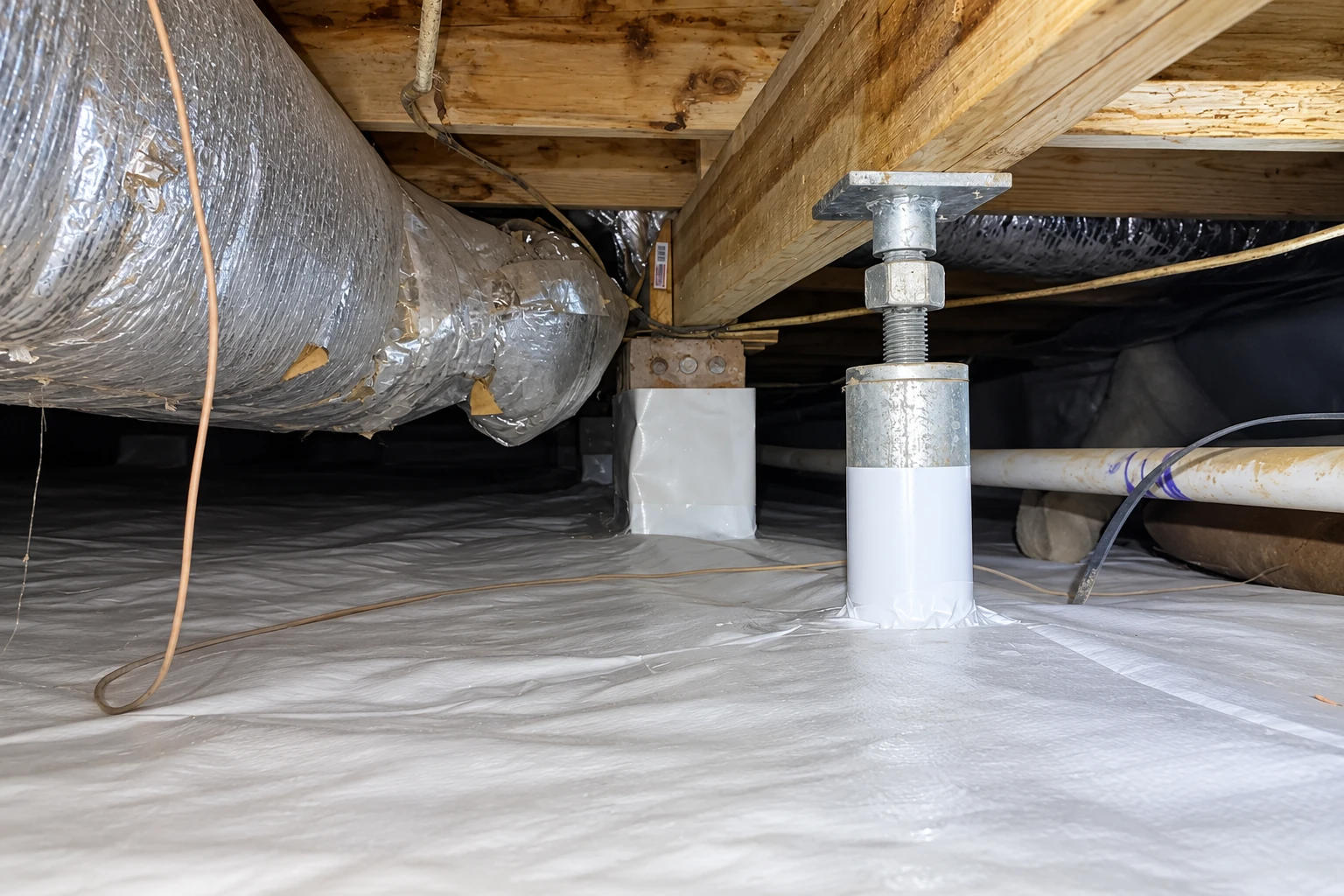
Houses here run from older single-story homes to newer subdivisions, and plenty sit on crawl spaces. On an older house I expect thin, settled insulation and gaps nobody ever sealed, so the job usually starts with what has to come out or get closed up before anything new goes in.
What I check on the estimate visit
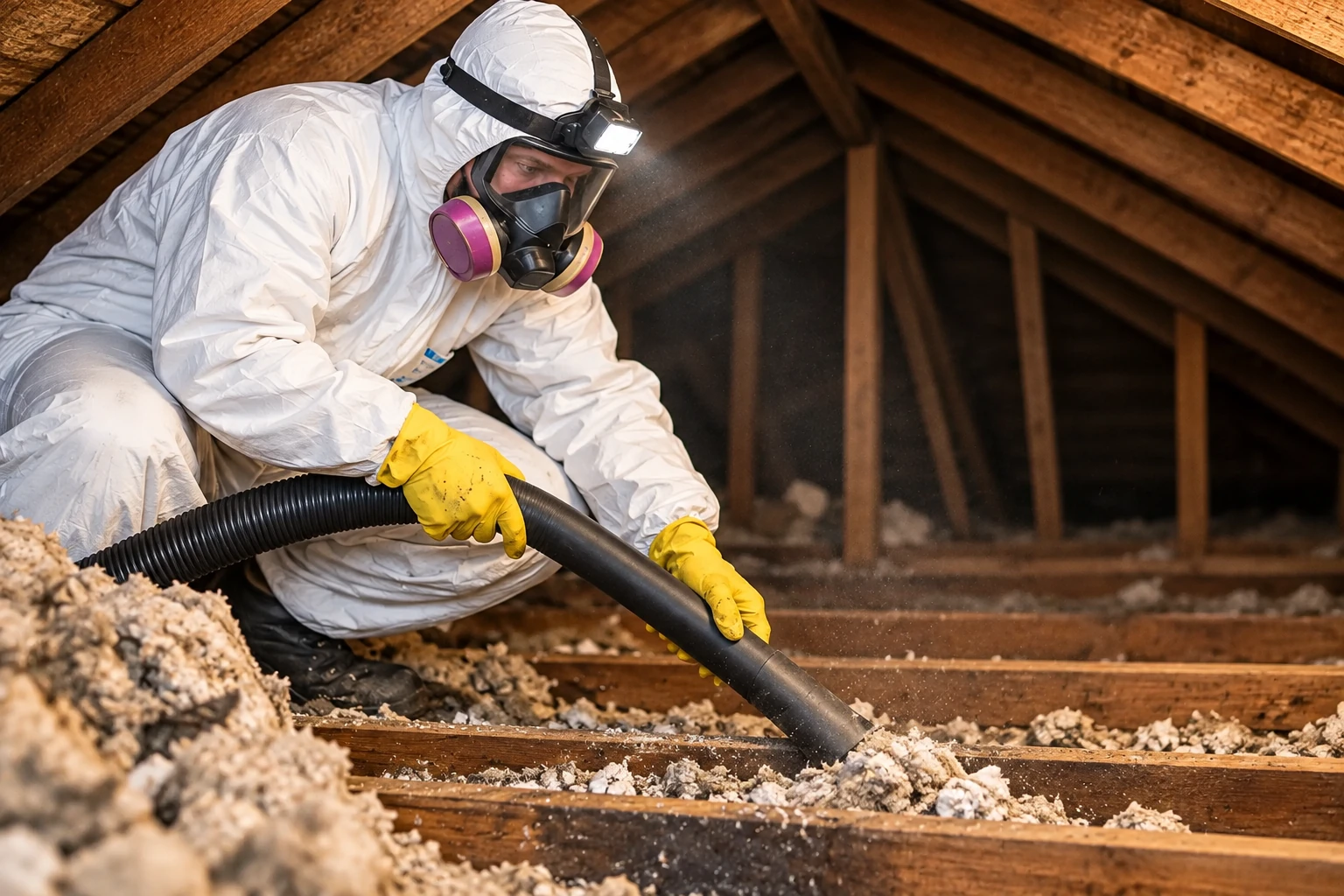
I come out myself, and the first thing I look at is what's already up there: how many inches, how old the house is, and whether the old material is dry and clean. If it was soaked by a roof leak or is full of droppings, new insulation on top just buries the problem, so that layer comes out first. I also look for wiring trouble and wet spots, because insulation laid over them hides the issue instead of fixing it. Then I tell you what I'd do first and put it in writing.
Why we seal the gaps before adding more
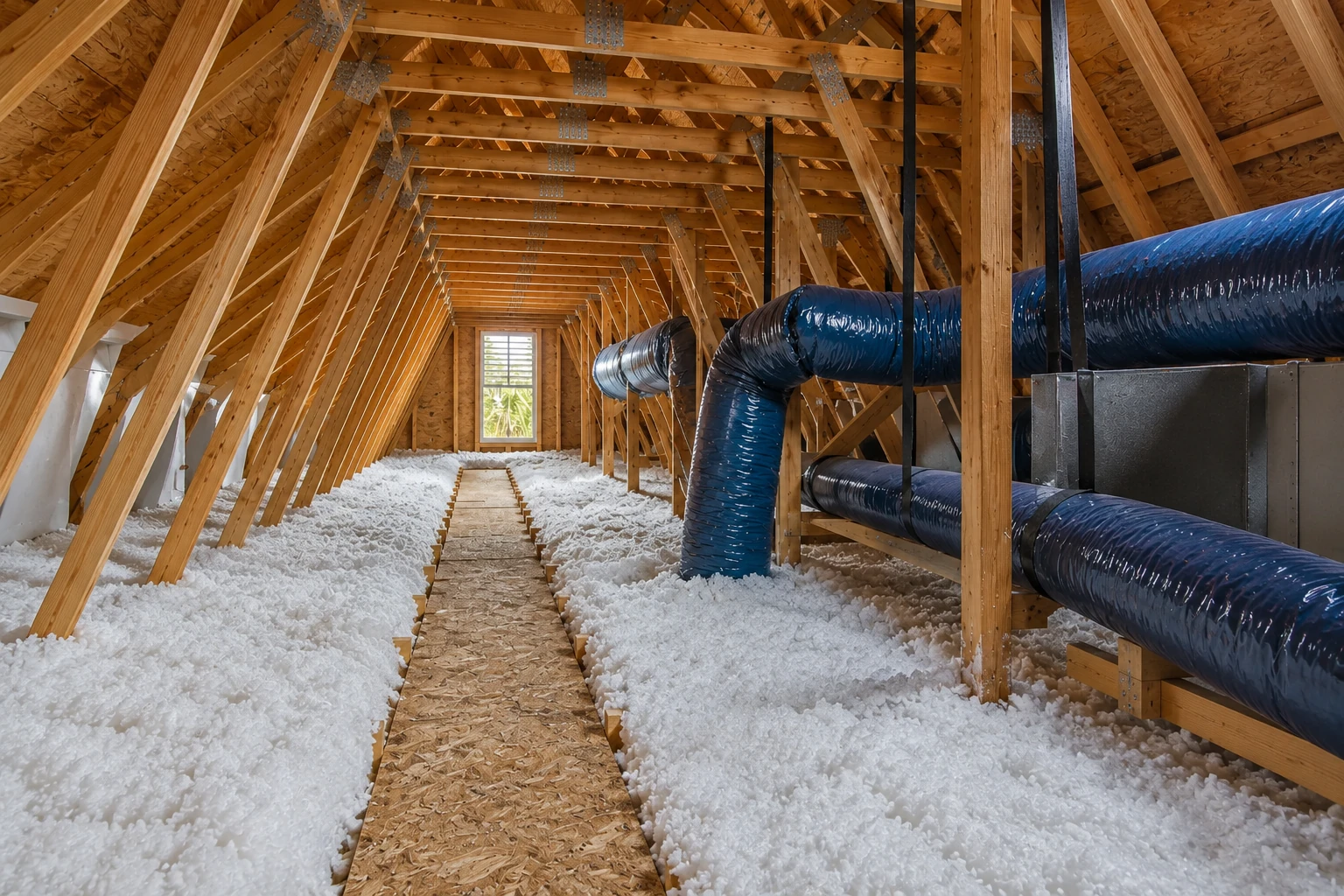
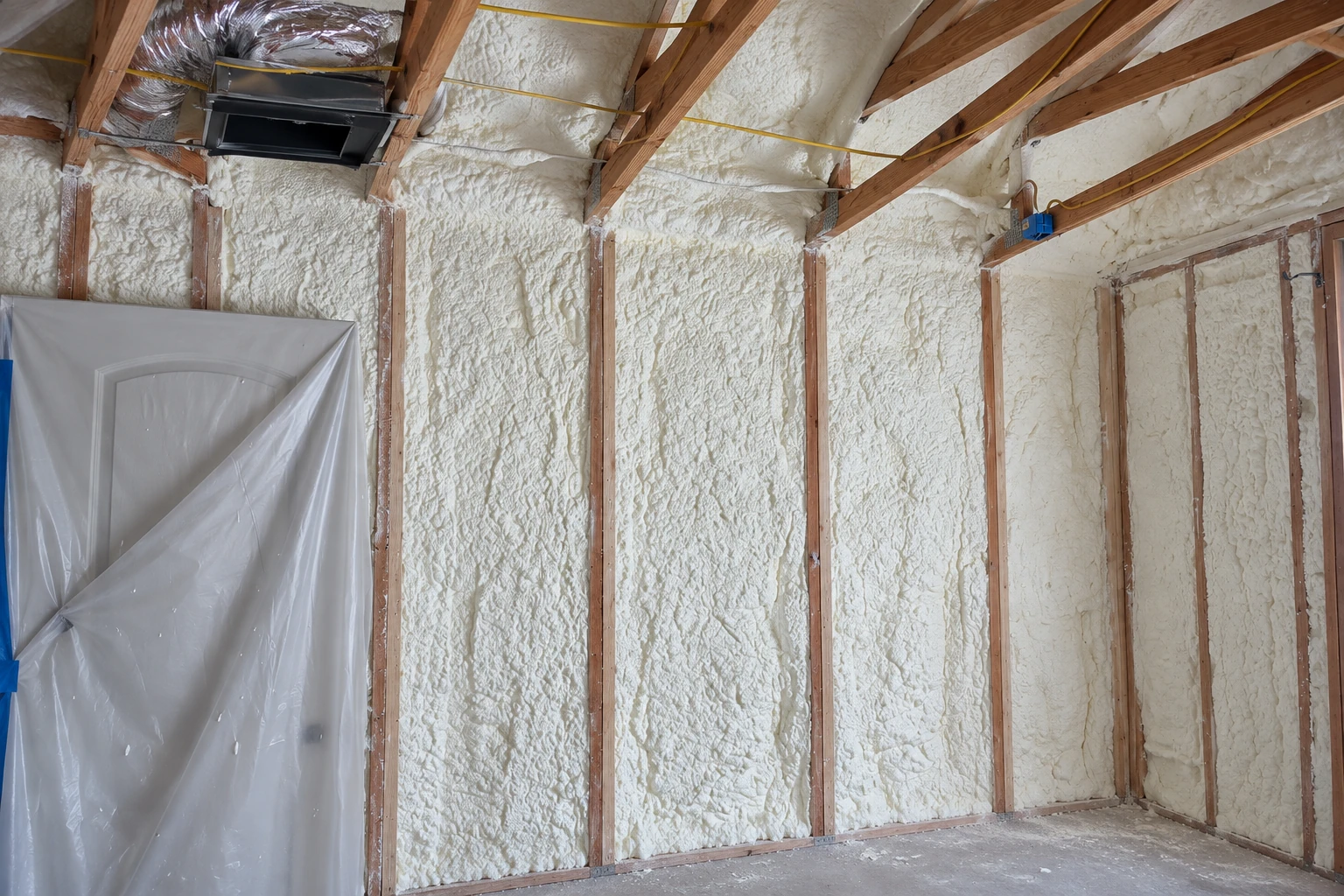
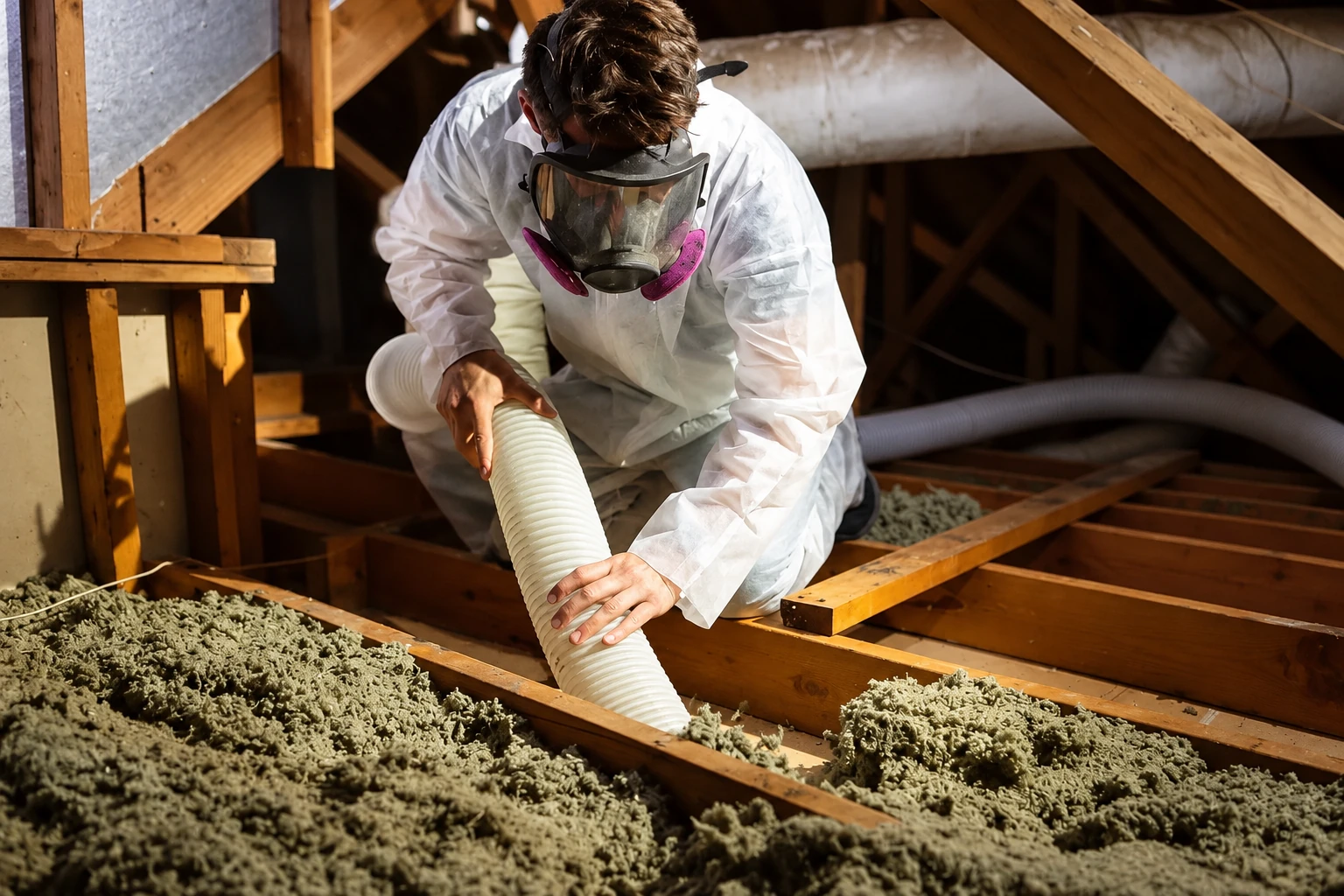
Air leaking up around can lights, plumbing pipes and the attic hatch carries heat right past the insulation, so our crew air-seals first, closing every gap before new material goes down. Then we top up with blown-in insulation, loose fill blown through a hose, and keep it full depth out to the edges, where it's usually thinnest, while leaving the eave vents clear so the attic can still breathe. Foam costs more and seals while it insulates, and I'll pick it when your ductwork runs through the attic. Otherwise, sealing and loose fill usually wins.
What sets the price and the schedule
The price mostly turns on the size of the space, whether old insulation has to come out, how much sealing the attic or crawl space needs, and whether you go with foam or loose fill. Tight access, like a small hatch or a low crawl space, adds labor too. The schedule turns on the same things, plus any permit the county wants before work starts. Loose fill usually lets you stay home. With spray foam, you, the kids and the pets stay out until the re-entry time the foam maker sets has passed, and we'll tell you what that is ahead of time. Your written estimate gives your own figure.