
Attic air sealing in Summerville SC - an upstairs that holds its temperature
Hot upstairs and a power bill that climbs every summer? We close the gaps in the attic floor so cooled air stays in your rooms.
I come out for every estimate
When you call, I'm the one who comes to your house and gets up in the attic, not a salesperson. Our installers do the work, and I check it over myself before we call the job done.
Six years of doing the prep first
We've been in business since 2020, and the order of the work hasn't changed. Leaks, bad wiring and wet spots get dealt with before anything goes over them, because new insulation laid on top just hides the trouble.
Licensed and fully insured on your job
We're licensed and fully insured, so the risk of a crew working above your ceilings isn't yours to carry. Your satisfaction, guaranteed. If a room upstairs won't hold its temperature, call (843) 285-6022 and we'll set up a time.
Attic air sealing in Summerville
Attic air sealing in Summerville means closing the gaps in your attic floor, around pipes, wires, flues and the hatch, so hot attic air stops leaking into your rooms. It helps when upstairs runs hot, the house feels drafty or you're about to add insulation.
Most calls start with an upstairs that runs hot, a room over the garage that never feels right, or a power bill that keeps climbing. Usually there's insulation up there, but the gaps under it are still open, so attic air moves right through it. What moves the price is how many openings your attic has, how easy it is to get around up there, and whether old insulation that's soaked or full of droppings has to come out first.
The schedule mostly turns on what has to happen before sealing can start, like attic flooring that has to come up, with any support it gives the house replaced first, or a lot of stored boxes that need somewhere to go. Your written estimate lays out what comes first. Anyone doing this work in Summerville has to be licensed in South Carolina for it and hold a Town of Summerville business license, so ask every contractor you're comparing about both.
How we handle attic air sealing
Closing the gaps in the attic floor
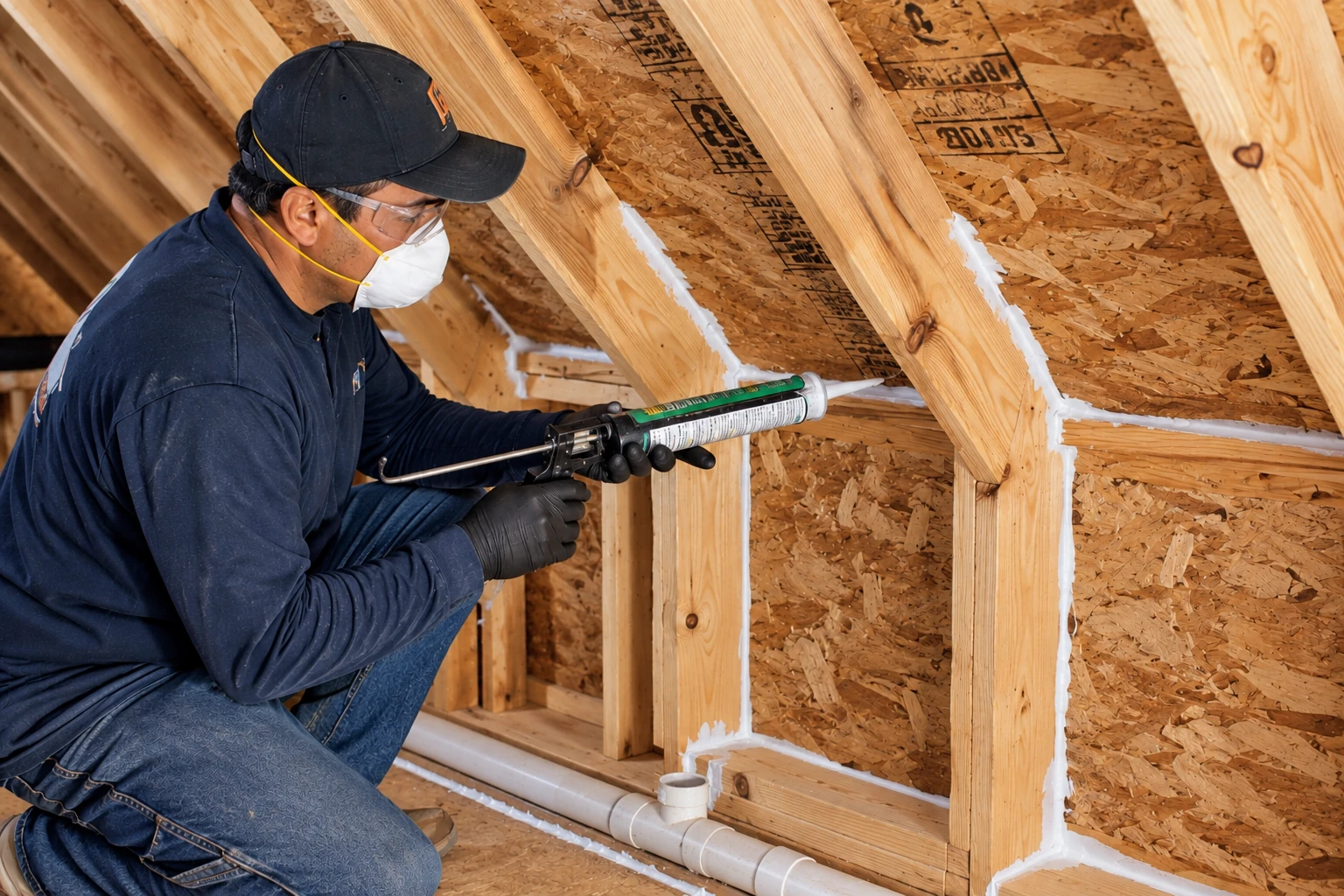
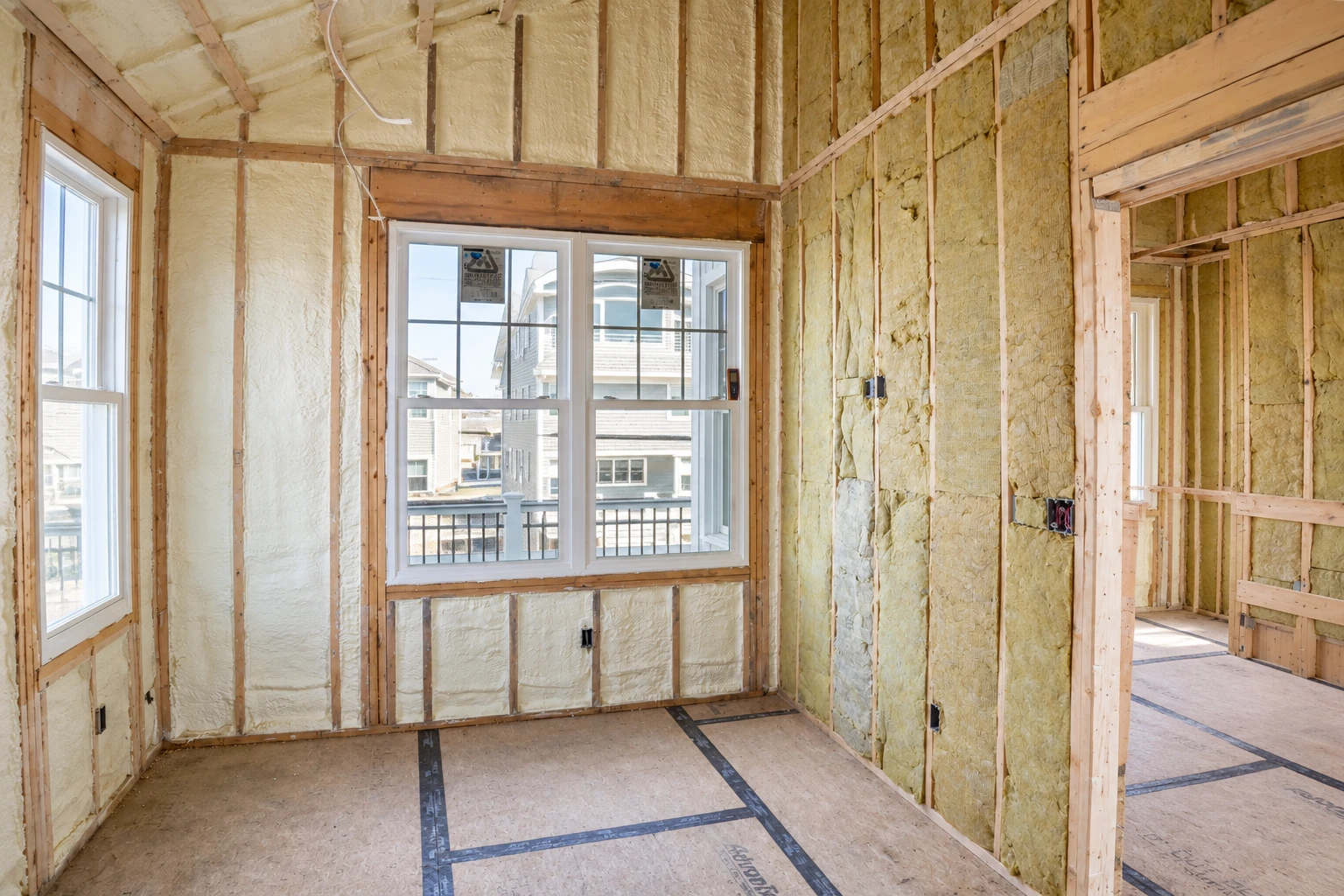
We start at the attic floor, which is your ceiling seen from above. Our crew works through the spots that leak the most, around can lights, plumbing vents, wire holes, the tops of interior walls and the attic hatch. Small cracks get sealant, bigger holes get one-part spray foam, and wide openings like a dropped soffit get rigid board cut to fit and sealed at the edges. When that's done, the hot, dusty attic air stops finding its way down into your rooms.
Heat-safe material around flues and chimneys
The gap around a chimney or a furnace or water heater flue is often the biggest hole in the attic. It pulls hot attic air in all summer and lets your house air out in winter, so it's worth getting right. Those pipes run hot, so we won't close that gap with foam. We use heat-safe material there, usually sheet metal, because the point is to seal the gap without adding a fire risk. If there's no flue in your attic, this step drops off the list.
Choosing what goes on top
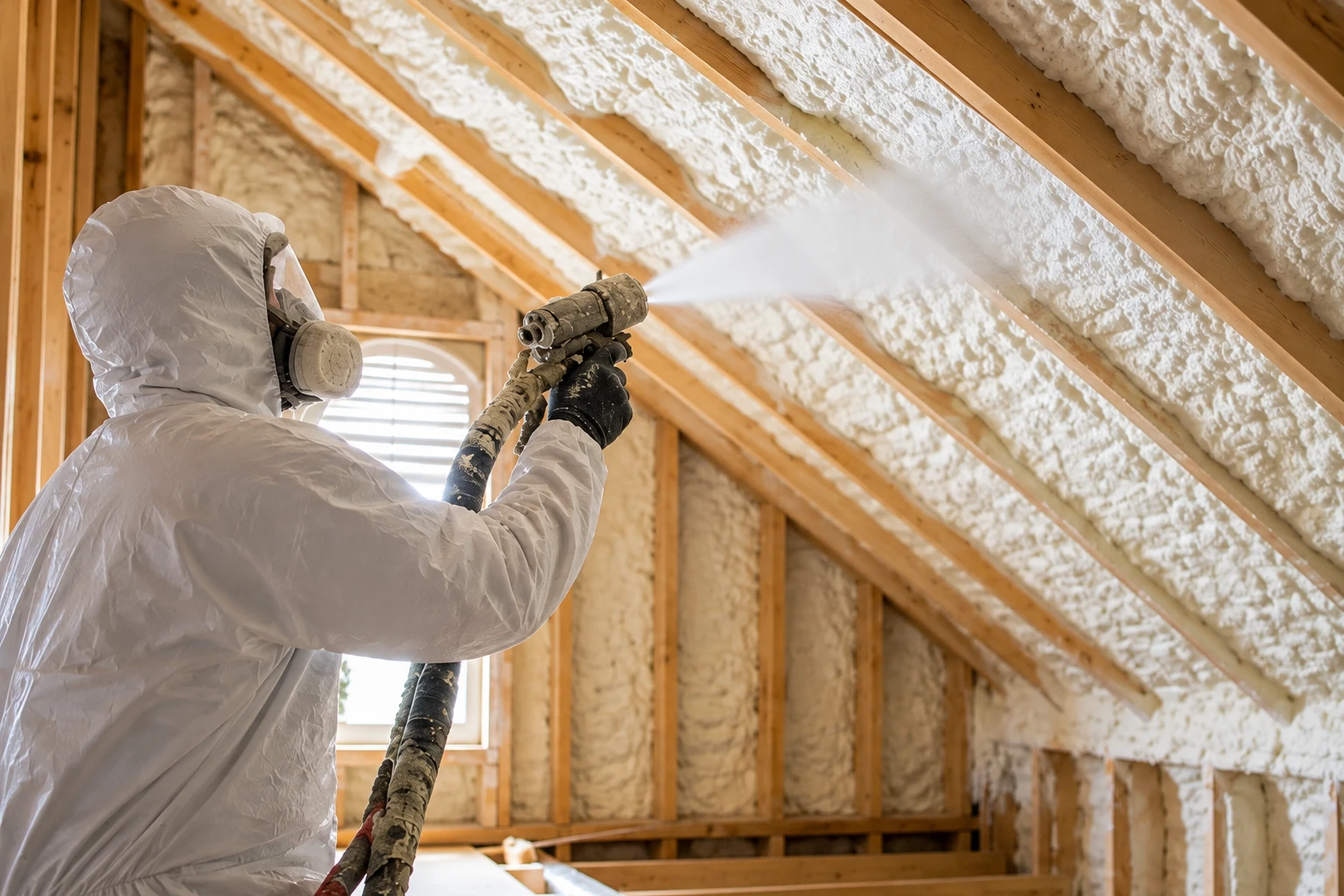
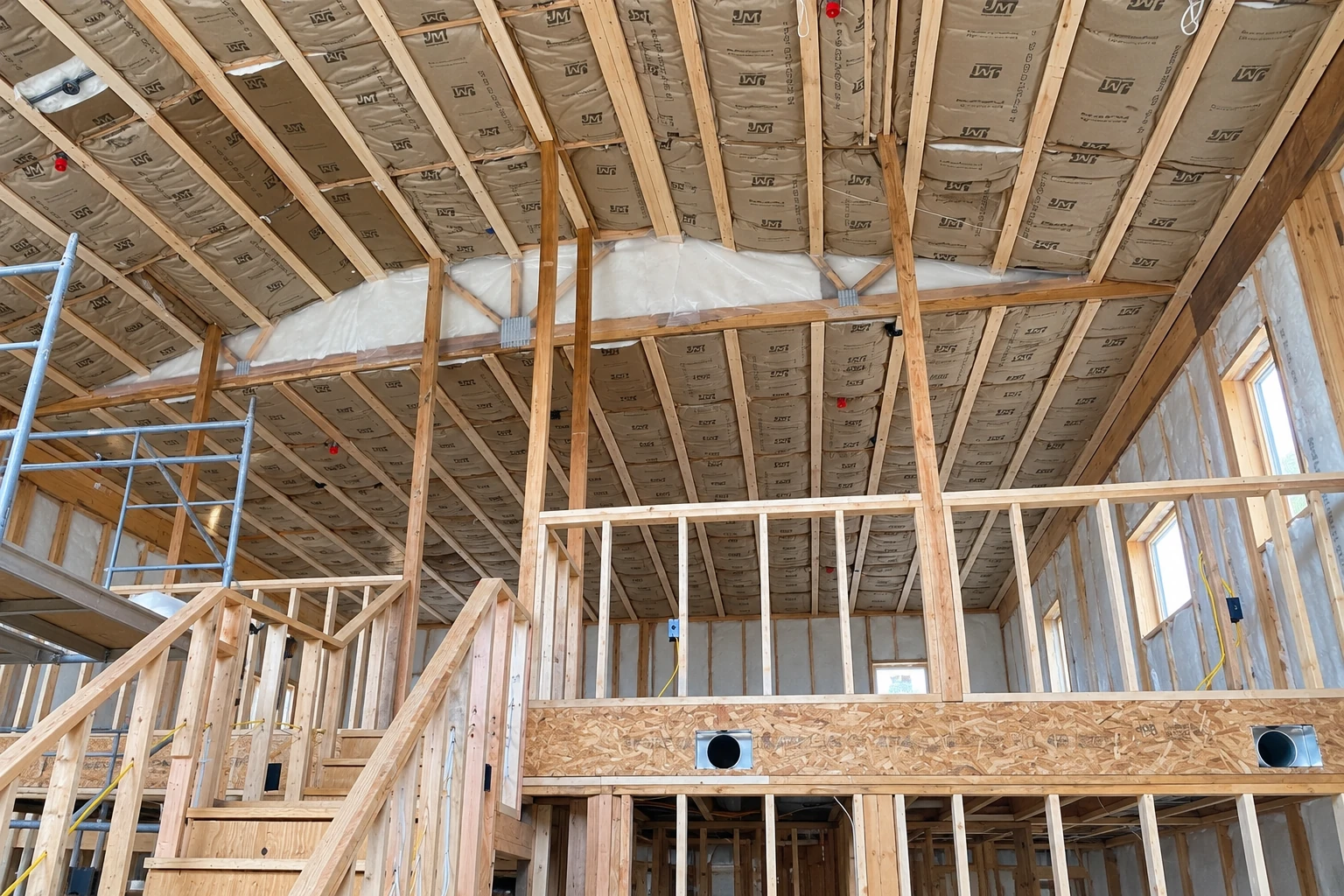
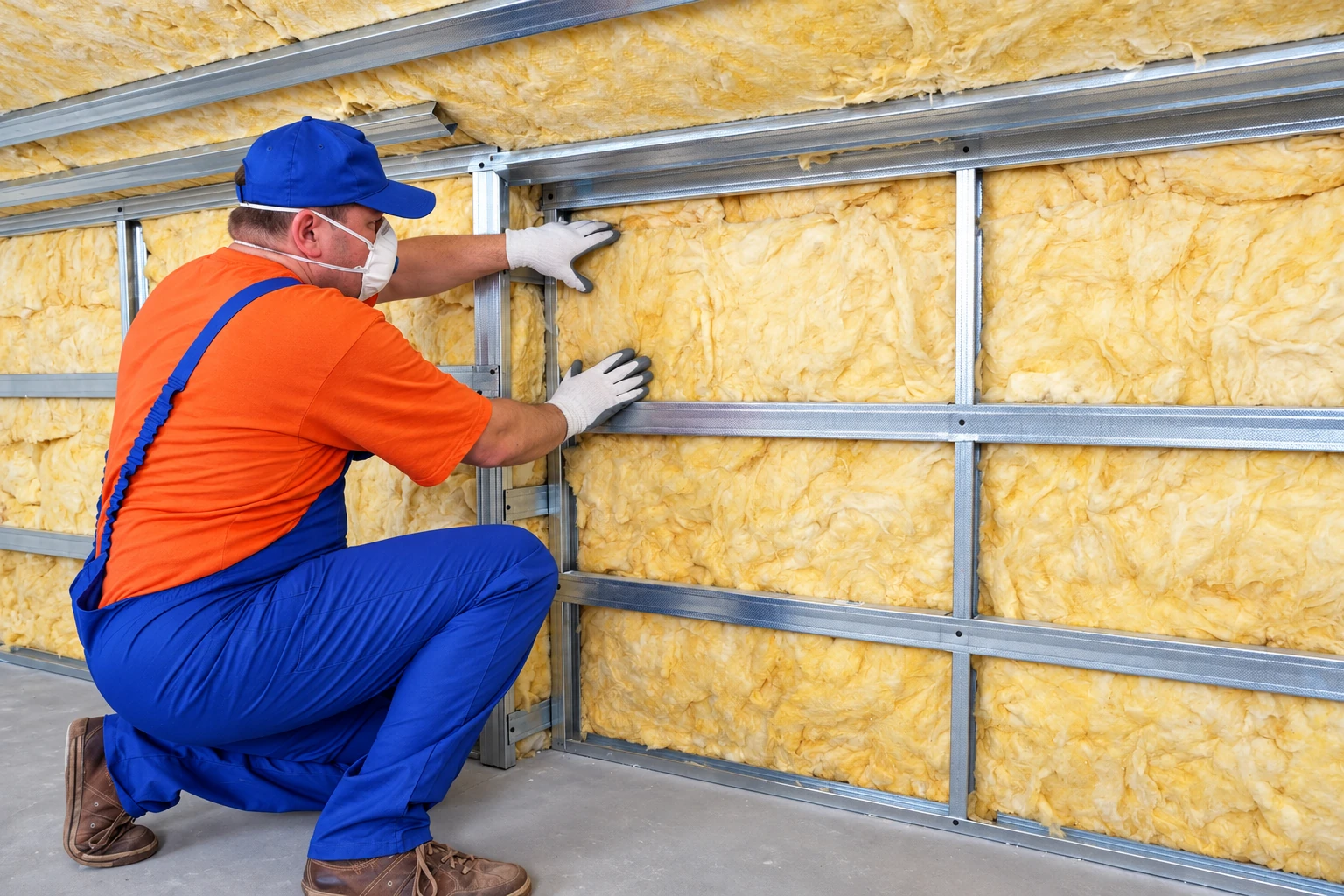
Once the floor is sealed, the question is what goes over it. Spray foam insulation seals air while it insulates, but it costs more, and I usually only point people that way when the ductwork runs through the attic. For most houses, sealing the gaps and topping up blown-in insulation, loose fill blown through a hose, gets you there for less. That's the retrofit insulation work we do on existing homes, and we spread it full depth out to the edges, where attics usually come up thin.
Get a free attic air sealing estimate at your home
We'll reply within one business day to set a time, and I'll come out myself to look at your attic. The estimate is free, done at your home, and comes with no pressure and no obligation.
(843) 285-6022What happens after you call us
You call or send the form
Call (843) 285-6022 or send the form, and we'll get back to you to set a time. It helps to mention any insulation you're planning, a chimney or gas fireplace, attic flooring, stored boxes, and whether you're inside Town limits.
I look at the attic myself
I come out, get up in the attic and check for anything that has to be fixed first. I tell you right there what I'd do and in what order, and you get it in writing. If part of it belongs to another trade, I'll say so.
Our installers seal, I check
Our installers do the sealing and any insulation you've chosen to add. Before we call it done, I go back up and look it over myself, so the gaps, the flues and the vents are all the way they should be.
Attic air sealing questions from Summerville
Should my attic be sealed before new insulation goes in?
Yes, the attic floor should be sealed first when you're insulating an existing vented attic, because batts and loose fill slow heat but don't stop air. Once new insulation is down, the gaps are buried and hard to reach. If you're already planning insulation, we can do the sealing as the first step of that same job.
What gets checked in my attic before air sealing starts?
The attic should be checked for live knob and tube wiring, vermiculite, an older pebbly loose fill, bathroom fans venting into the attic, roof leaks and unvented gas fireplaces. Any of those changes the plan, so they get sorted out before the gaps are closed. Tell us about any you know of when you call.
Which attic vents stay open after air sealing?
Soffit, ridge and gable vents stay open, along with any duct that brings combustion air to a furnace or water heater. Those openings are there on purpose to move air, and they only work if they stay clear. We close the leaks into your living space and keep new insulation from burying the vents at the eaves.
Do I need a permit for attic air sealing in Summerville?
Ask the Summerville Building Department, because its permit list names roofing work but not attic air sealing. Which office covers you depends on whether you're inside Town limits or in unincorporated Dorchester, Charleston or Berkeley County, and the Town's planning page explains how to tell. We sort that out and handle any permit the job needs before we start.