
Hollywood is a small city in Charleston County, and the houses here don't come in rows of the same plan. We see older family homes, newer builds on bigger lots and plenty of houses sitting up on crawl spaces, and the calls sound familiar: a hot upstairs, cold floors, a room over the garage that never feels right, or a power bill that keeps creeping up. We're based in Summerville and do the same work in James Island and the other cities around Charleston.
Older houses usually mean older insulation, and by now a lot of it has settled, gotten damp or had animals living in it. That's why a job here often starts with what has to come out or get sealed, not with what goes in.
What moves the price and the schedule
Price mostly comes down to what's already up there and how easy it is to get to. If the old insulation has to come out before anything new goes in, removal adds cost and time. A cramped attic or a low crawl space slows the crew, the number of gaps to seal matters, and foam costs more than loose fill. If what's up there is in good shape and just thin, a top-up may be all you need. The schedule turns mainly on removal and on any permit the job needs, and your written estimate gives you the figure for your own house.
What we fix before new insulation goes in
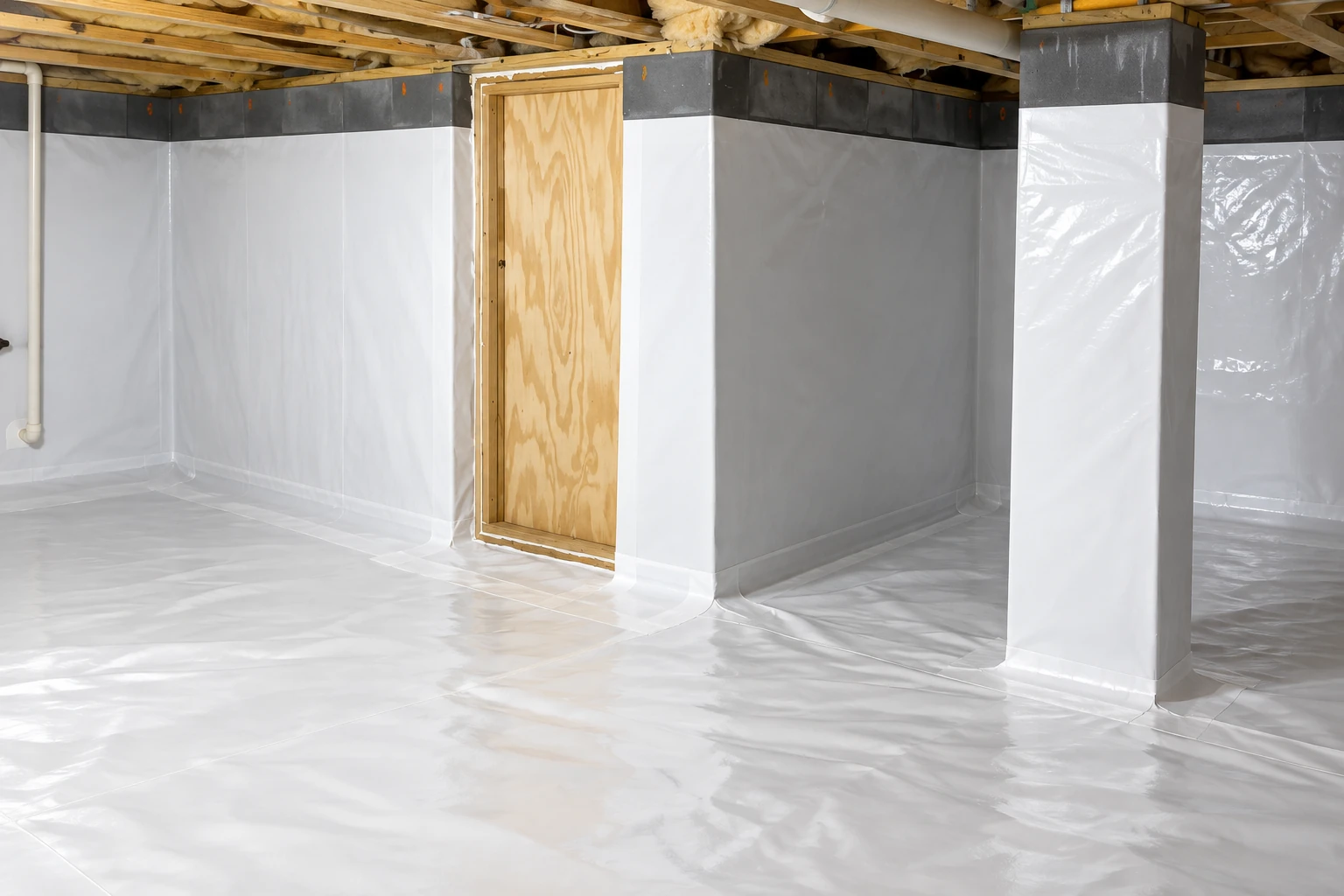
Insulation laid over a problem just hides it, so the order matters. We start with air sealing, closing the gaps around can lights, pipes and the attic hatch, because a draft pushing through them works against anything on top. We keep the eave vents clear so the attic still breathes and moisture doesn't settle in the framing, and we fill the edges as deep as the middle. If I spot a roof leak or wiring that looks wrong, I'll tell you, because that belongs to another trade and gets fixed first. Our installers do the work, and I check it over before we call it done.
Foam or loose fill for your house
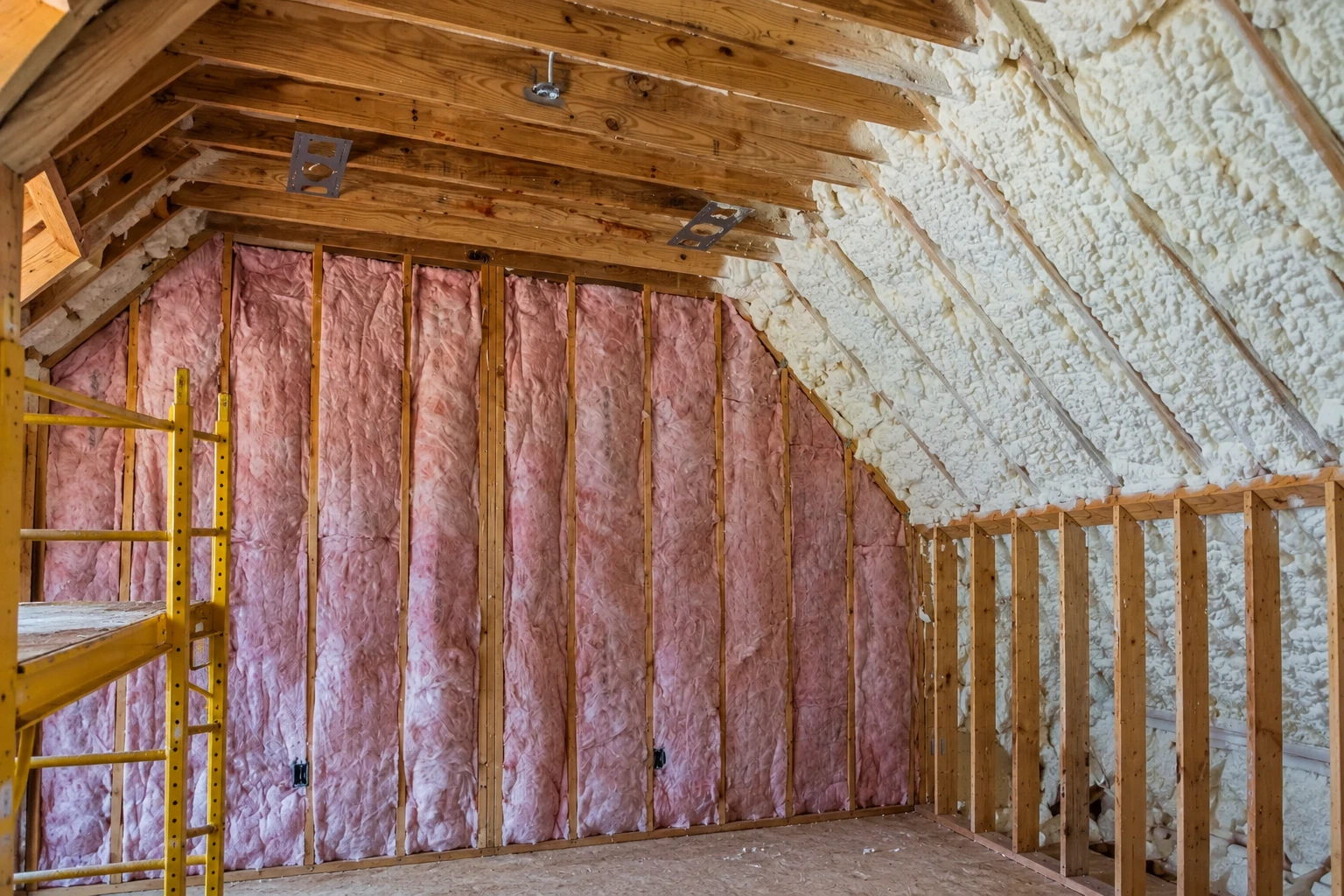
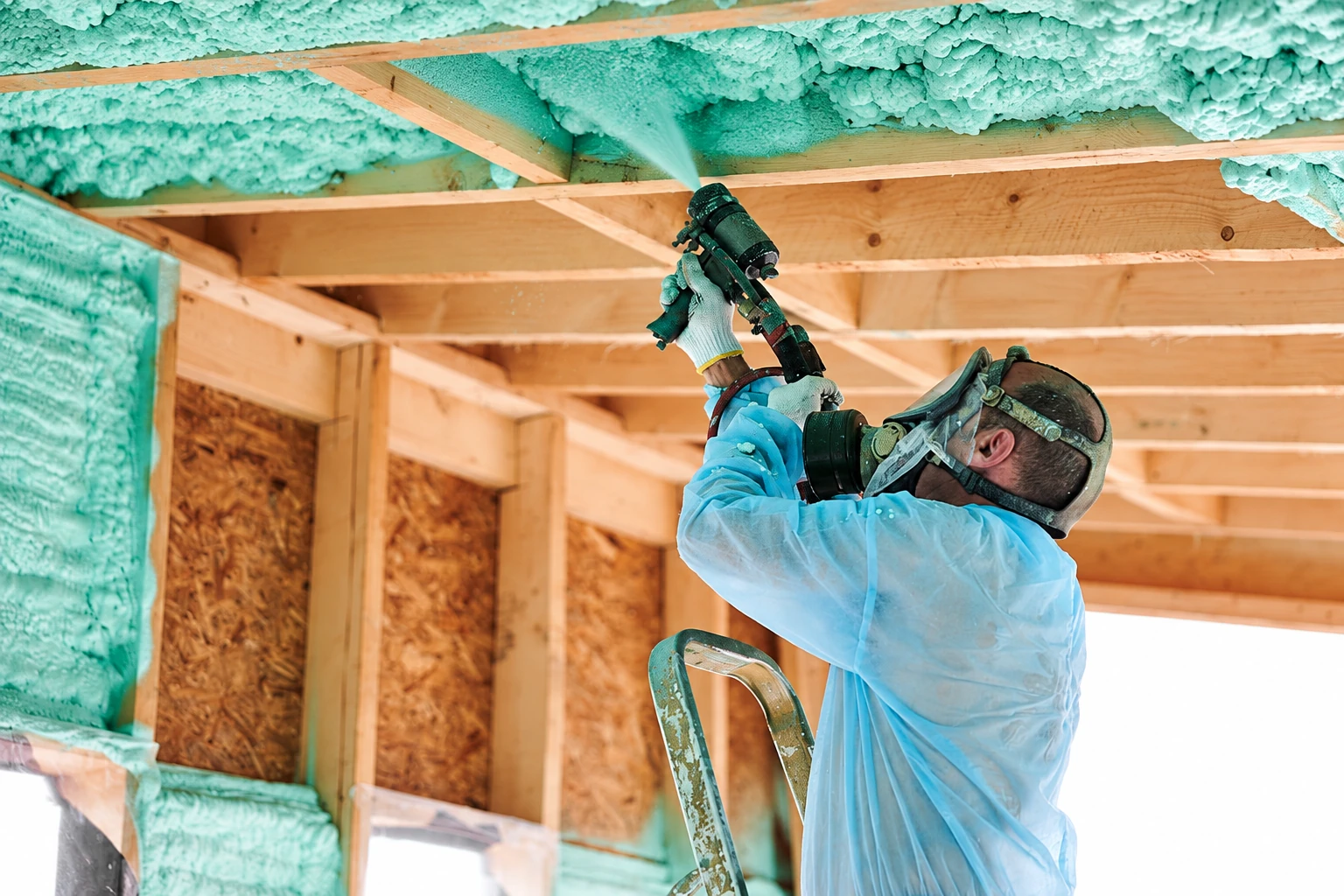
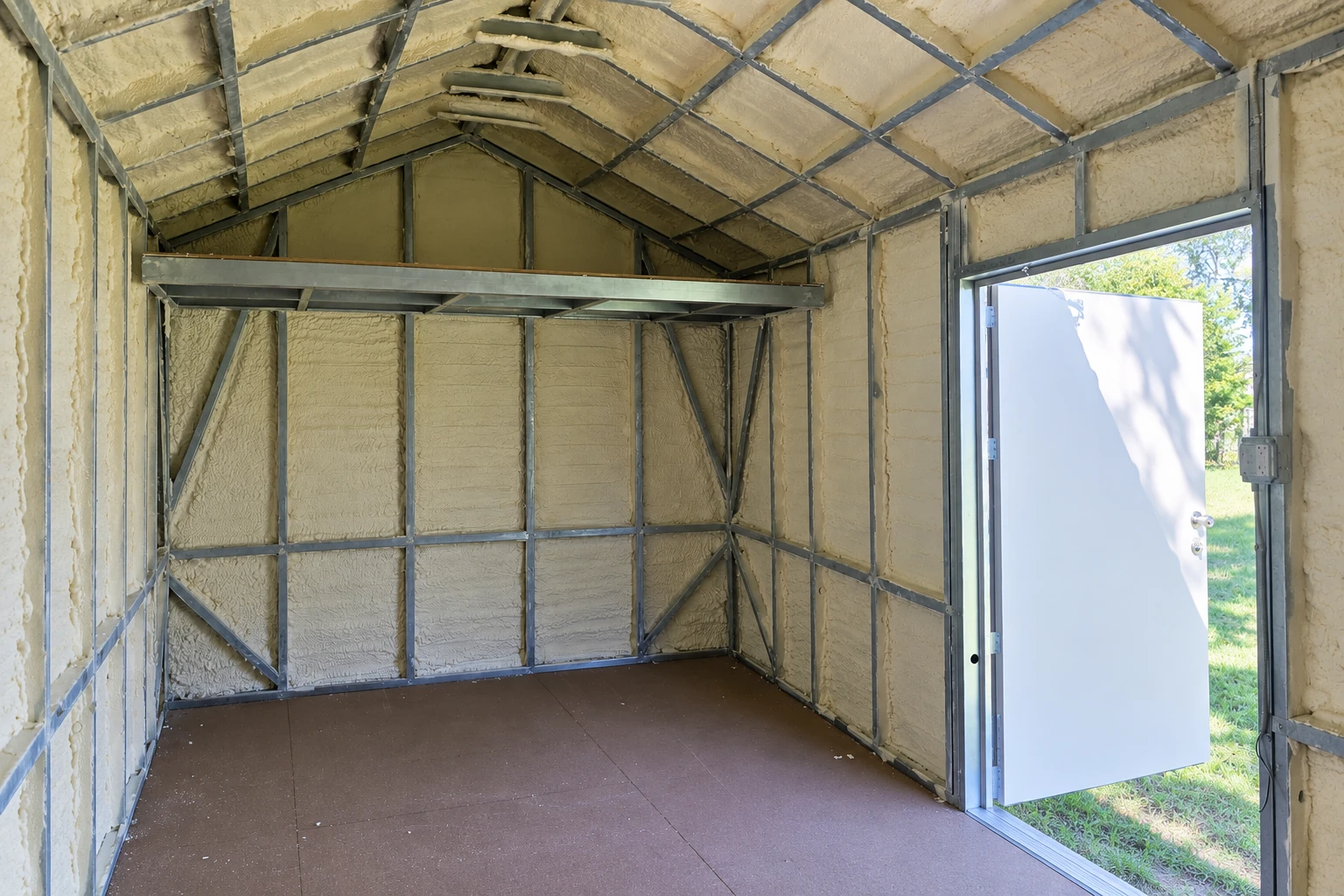
Foam costs more, but it seals air while it insulates. For most attics we'd rather seal the gaps and top up with blown-in insulation, which is loose fill blown in through a hose, because it does the job for less. The exception is when your ductwork runs through the attic, where open-cell foam insulation sprayed along the roofline can make more sense. The choice changes your day too. With blown-in, you can usually stay home. With spray foam, everyone, kids and pets included, stays out of the house for a set wait called the re-entry time, and I'll tell you how long before we book.